
Beijing Opera (Peking Opera) – a Way to Experience Chinese Culture

Beijing Opera, also known as Peking Opera, is considered China’s national essence, with a history of over 200 years. It originated in the imperial palace during the Qing Dynasty in Beijing, China, and was listed on the UNESCO Intangible Cultural Heritage list in 2010.
Today, Beijing Opera is a popular form of entertainment among the people of Beijing and has become an important part of the city’s cultural heritage. Watching Beijing Opera is a must-do activity when visiting Beijing, as it offers a unique insight into traditional Chinese culture and the entertainment of the people of Beijing.
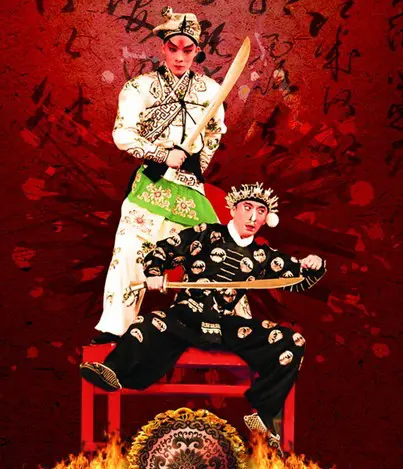
Four Artistic Performance Techniques Of Beijing Opera
Singing, Dialogue, Acting and Acrobatic Combating are four artistic performance techniques of Beijing Opera, also called four basic skills of Beijing Opera. Each Beijing Opera actor is required to have perfected the four basic skills so as to give full play of the musical drama performance and perform better and depict various characters in the Opera. These four artistic performance techniques combines together to form a lively and interesting Beijing Opera, you won’t feel bored as long as you can understand what story the opera is performing.
Four Roles Of Beijing Opera
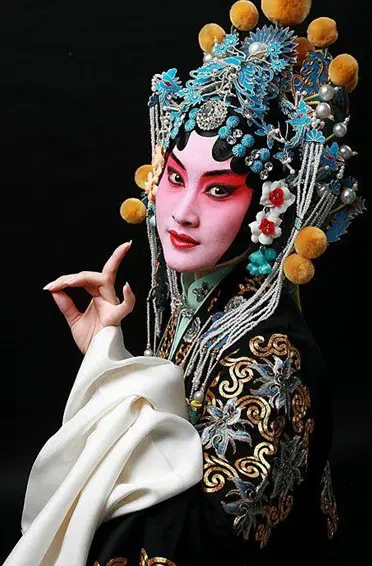
According to the age, gender, Status, Temperament, etc, there are four kinds of main roles in Beijing Opera. That is :Sheng ( 生), Dan ( 旦), Jing( 净), Chou or clown ( 丑 ).
Sheng: Playing Male Role and it is divided into Laosheng (role of old male), Xiaosheng ( role of young male), Wusheng (role of fighting hero ), Hongsheng ( Laosheng in red face ) and Wawasheng ( role of children).
Dan: Playing Female Role. It is divided into Qingyi ( demure and virtuous woman ), Huadan ( vivacious girl or shrewish unmarried young woman), Wudan ( female skilled in martial arts), Laodan ( old female), etc.
Jing: It is also called “painted face” — Hualian, generally play male role. It is divided into Zhengjing ( solemn loyal minister ), Fujing ( playing traitor), Wujing ( fighting hero) and Erhualian ( violent and wicked person) .
Chou or Clown: Comedic role. It is divided into Wenchou ( civilian role : funny or sinister ) and Wuchou (clever and humorous hero )
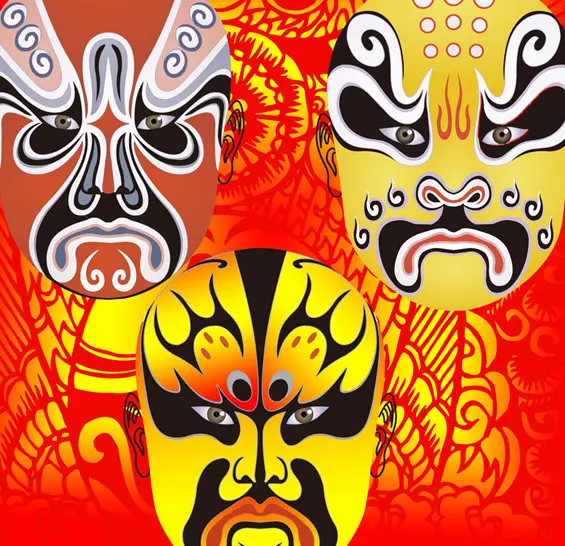
Painting Faces of Beijing Opera
The facial makeup is a kind of painting and exaggerating art, it always paint the eyes, brows and face with different kind of patterns, such as: bat, butterfly wing, etc. It always depicts the facial expression combined with exaggerating mouth or nose. Face of optimistic character is always smooth, while pessimistic one is always closing their eyes and curving the browns, very vividly.
The facial makeup of Beijing Opera is a also a special feature of national cosmetic. It uses different colors to depict different character. Red facial makeup represents loyal and brave hero; The black one represents integrity or bravery; White facial makeup represents traitor or evil person.
Watching the Beijing Opera is a unique opportunity to experience and appreciate the profound depth of Chinese traditional culture. Immerse yourself in this quintessential Beijing entertainment and connect with the local people, as this is one of the must-do activities in Beijing. Enjoy the beauty and richness of this Chinese cultural essence, and allow yourself to be transported to another time and place through this magnificent art form.
Where to watch Peking Opera
There are several places to watch Peking Opera in Beijing, including:
Liyuan Theatre 梨园剧场 (lí yuán jù chǎng): This is one of the most famous places to watch Peking Opera in Beijing, located in the Qianmen Jianguo Hotel. They offer daily performances with English subtitles.
Huguang Guild Hall 北京湖广会馆: This historic building located near Houhai Lake is a popular venue for Peking Opera performances. They offer daily performances and a dinner theater option.
Chang’an Grand Theatre 长安大戏院 (cháng ān dà xì yuàn): Located in the Chaoyang district, this modern theater hosts Peking Opera performances as well as other traditional Chinese art forms.
National Centre for the Performing Arts: This is a state-of-the-art theater complex located in central Beijing, hosting a wide range of performing arts, including Peking Opera.
Zhengyici Theater 正乙祠戏楼: This historic theater located near Qianmen is one of the oldest in Beijing and offers traditional Peking Opera performances.
Join one of our Beijing tours to include a performance of Peking Opera.
Related tours

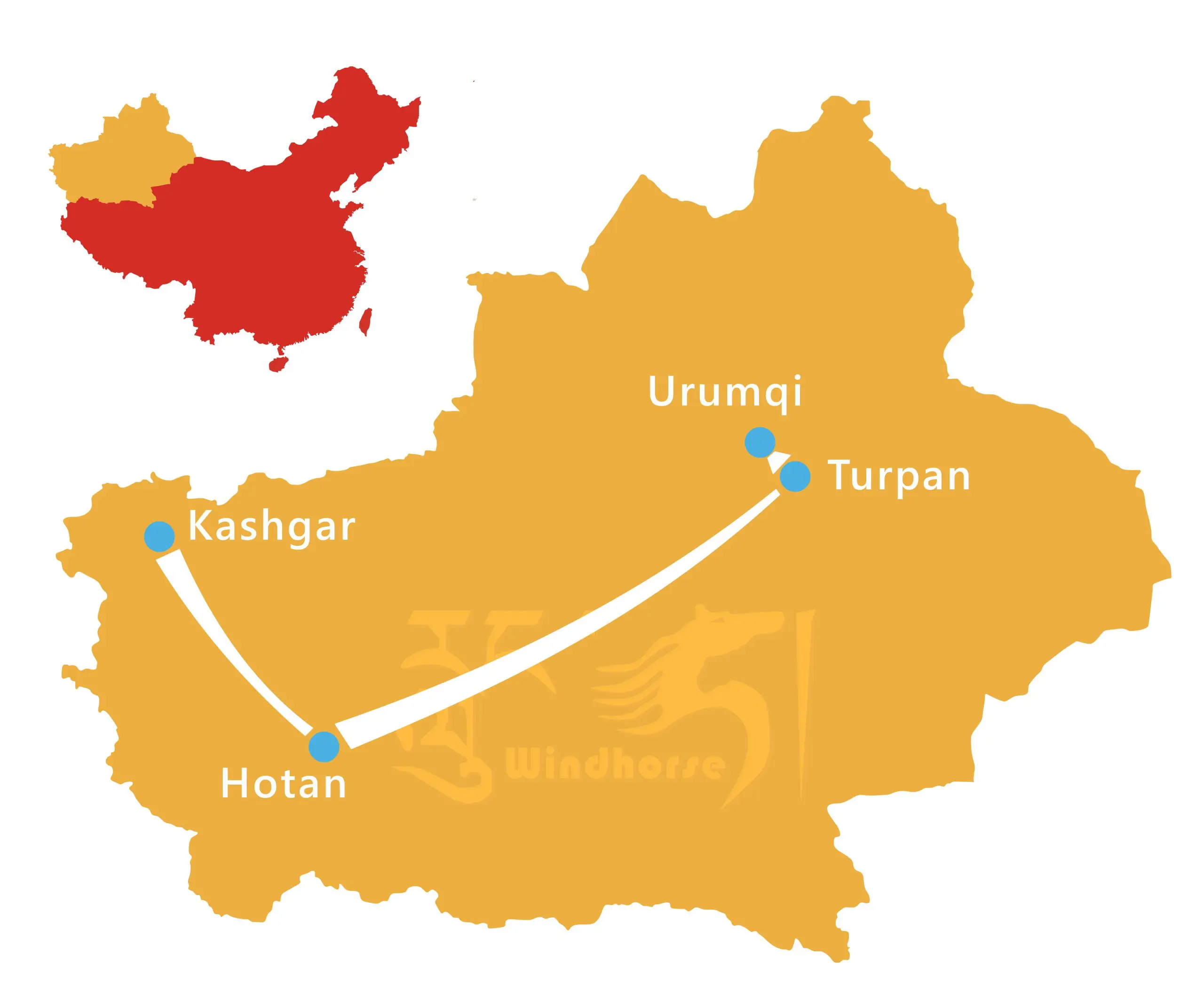
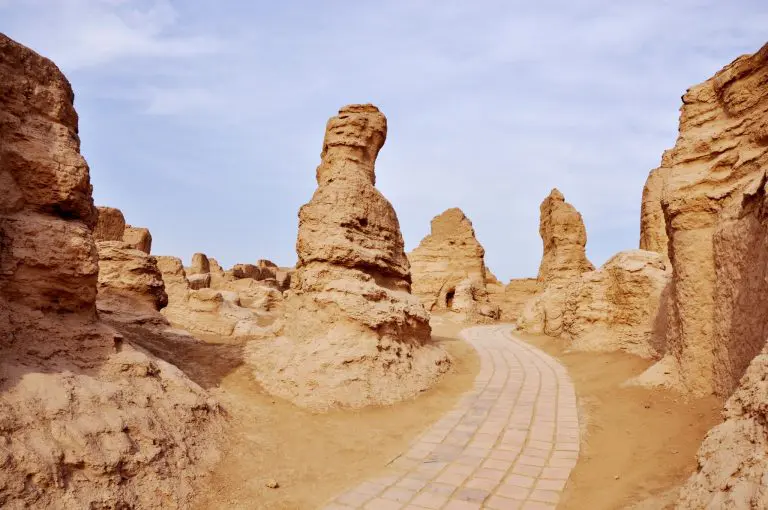
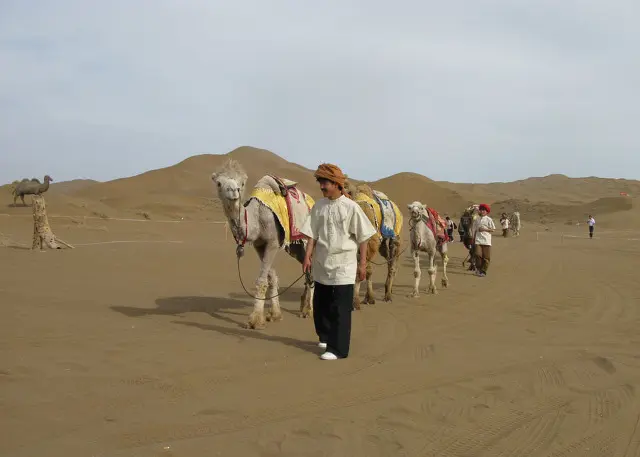
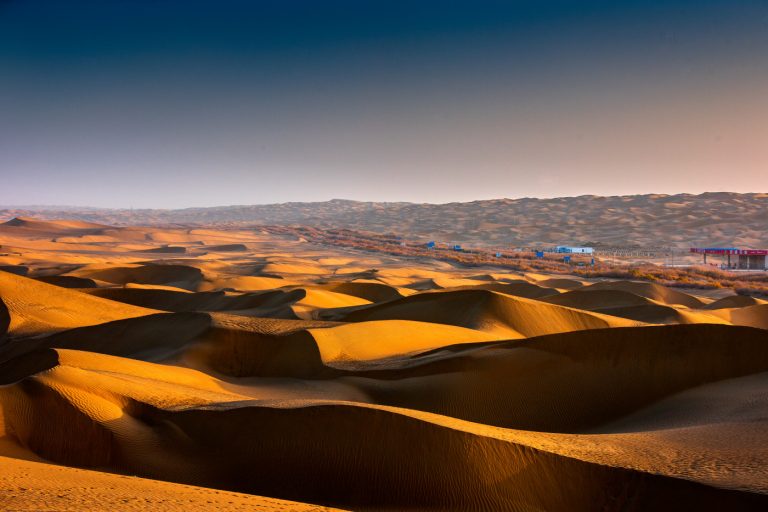
This Xinjiang Silk Road Cultural Tour travels from Urumqi to Turpan, Hotan, Yarkand, Kashgar, and Tashkorgan. Experience desert camping, oasis ruins, the Karakoram Highway, Karakul Lake, and rich Uyghur and Tajik culture.

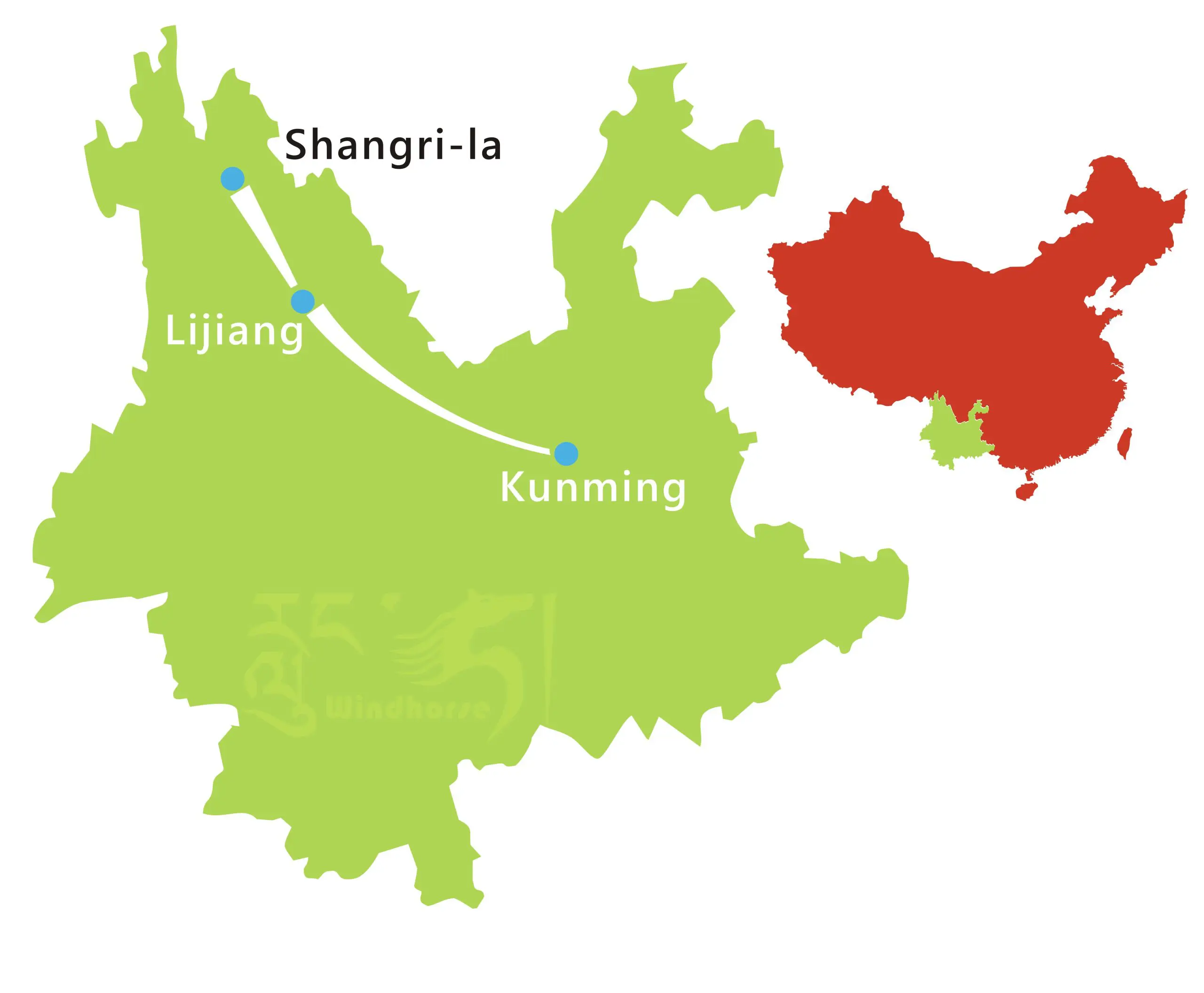
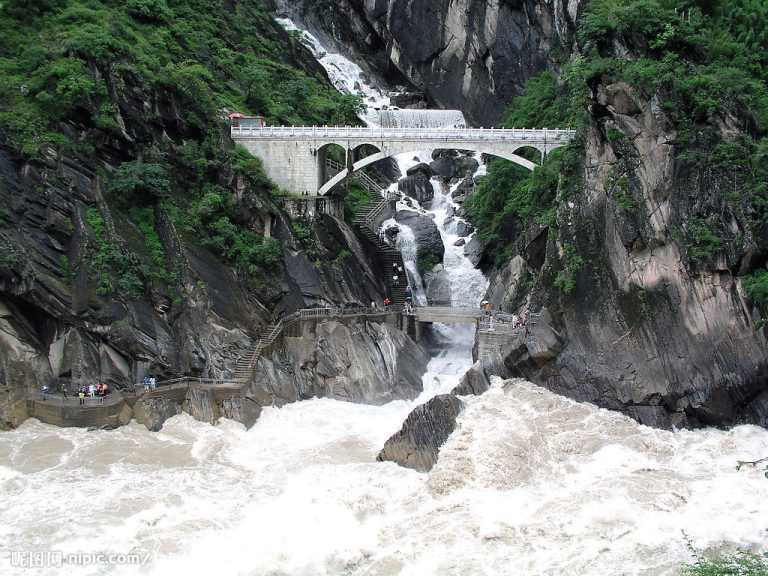
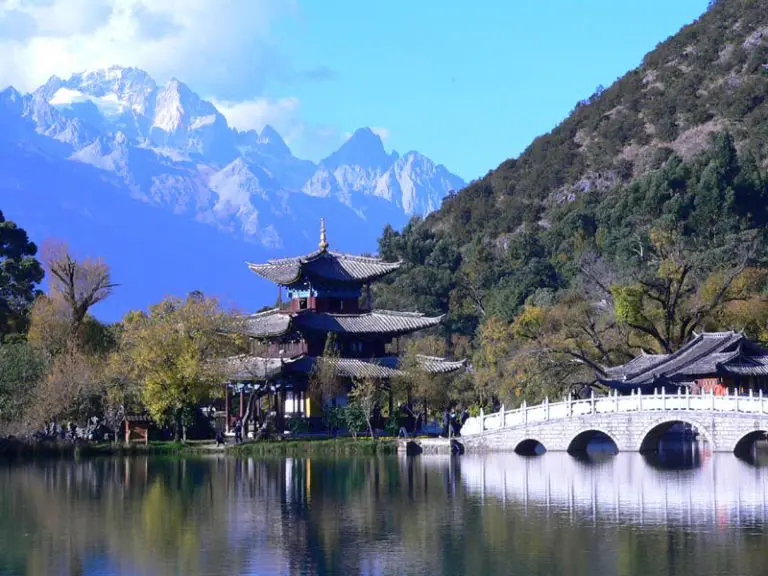


Experience one of China’s best treks on this 8-day Tiger Leaping Gorge hiking tour. Tackle the high trail, climb the 28 Bends, stay in local guesthouses, and enjoy nonstop views of the gorge, snow peaks, and the Jinsha River before reaching Shangri-La.
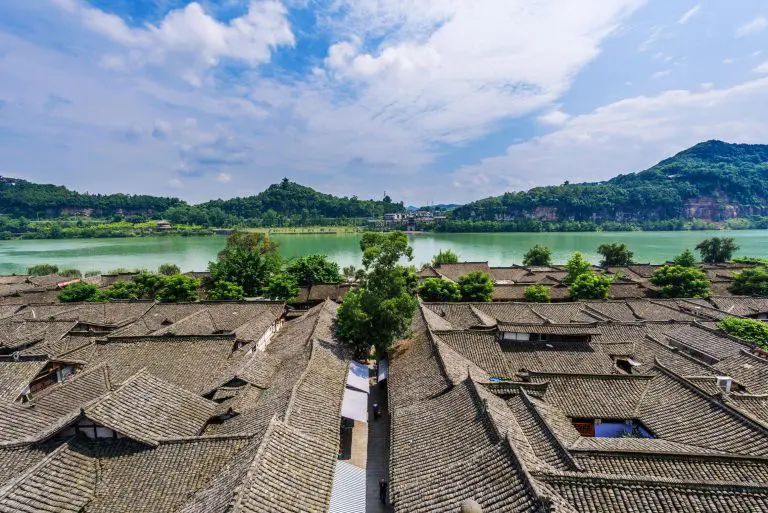
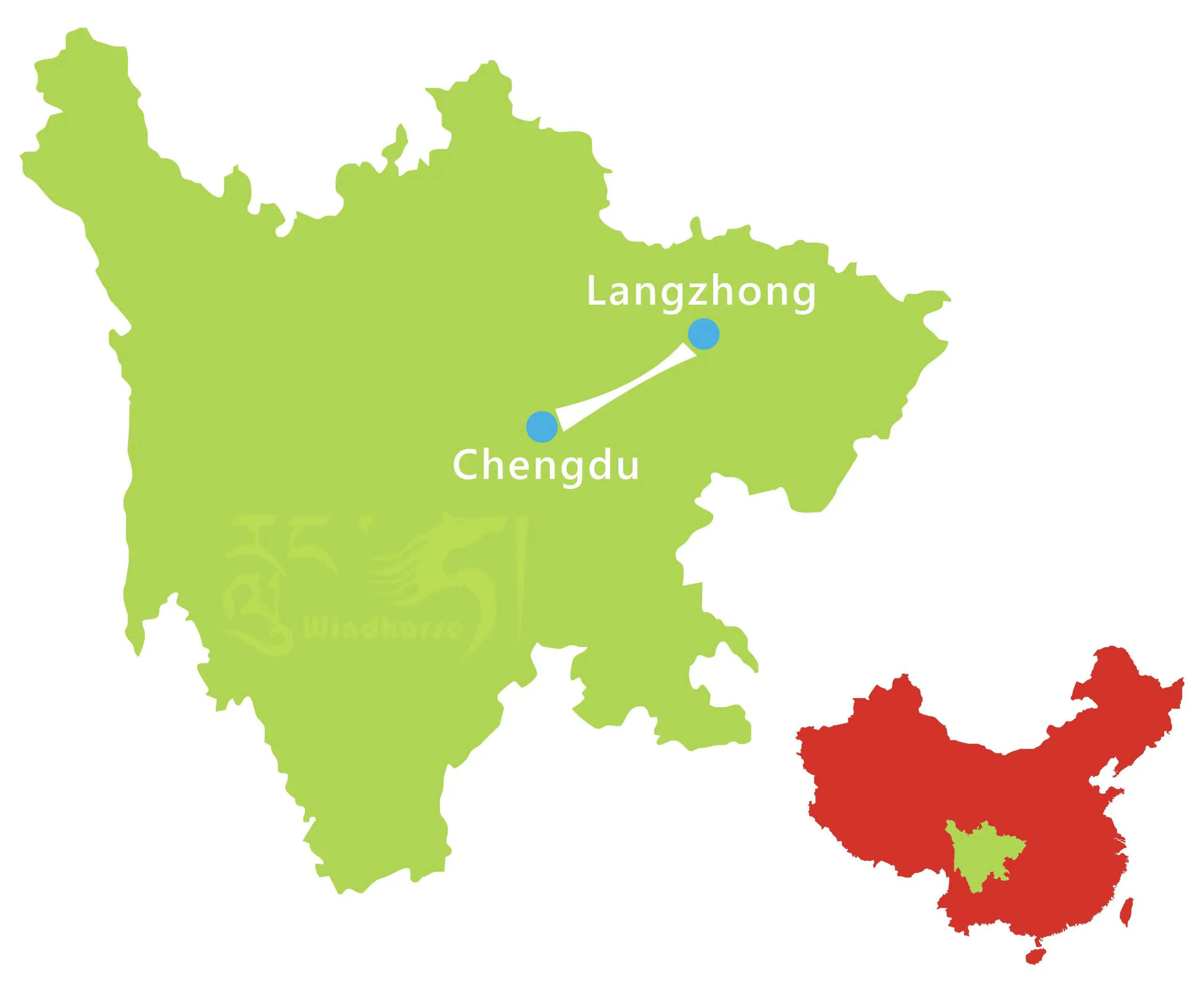
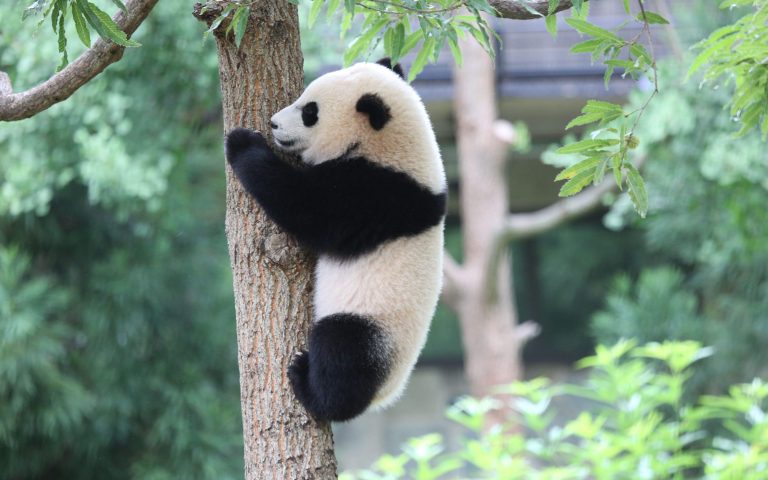
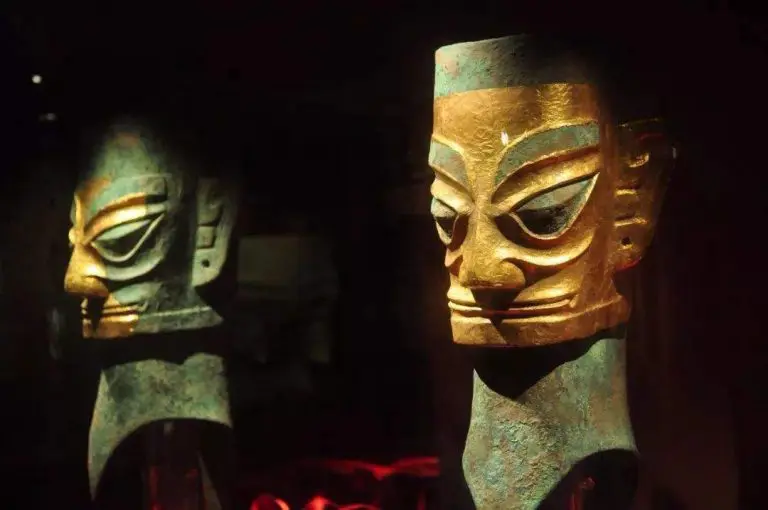
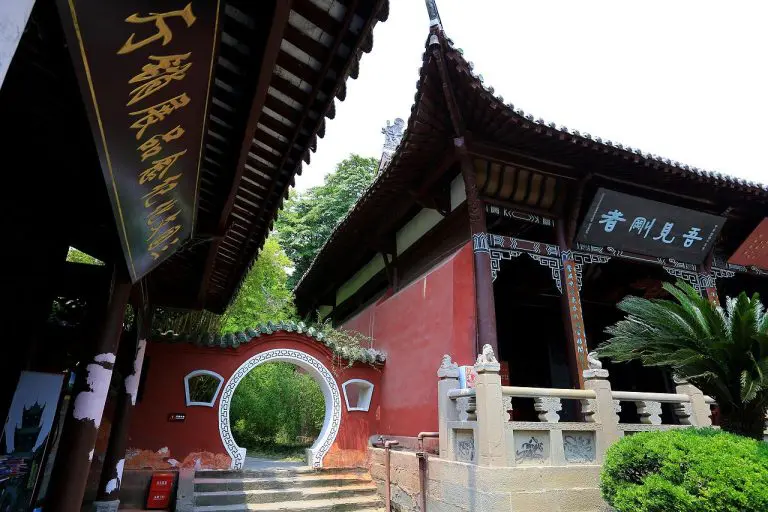
Explore Langzhong ancient city at the banks of Jialing River, one of the Great Ancient cities in China. With over 2,300 year history and culture, you will spend about 2 days to discover its traditional architecture and interesting locals' life.
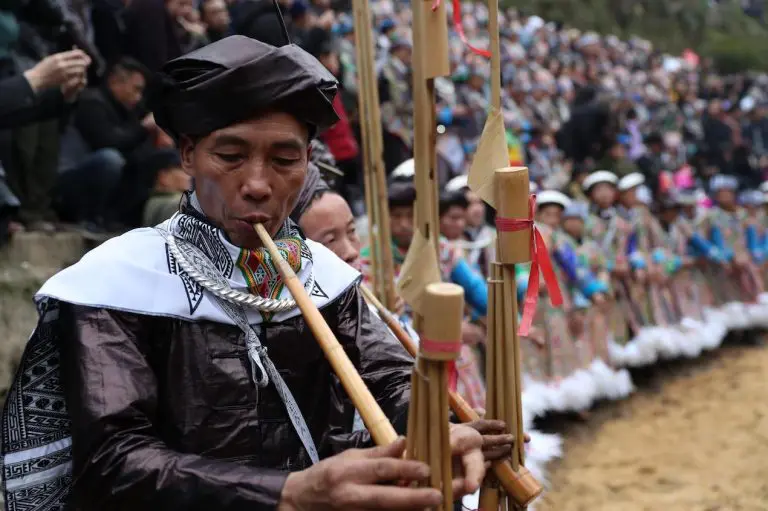
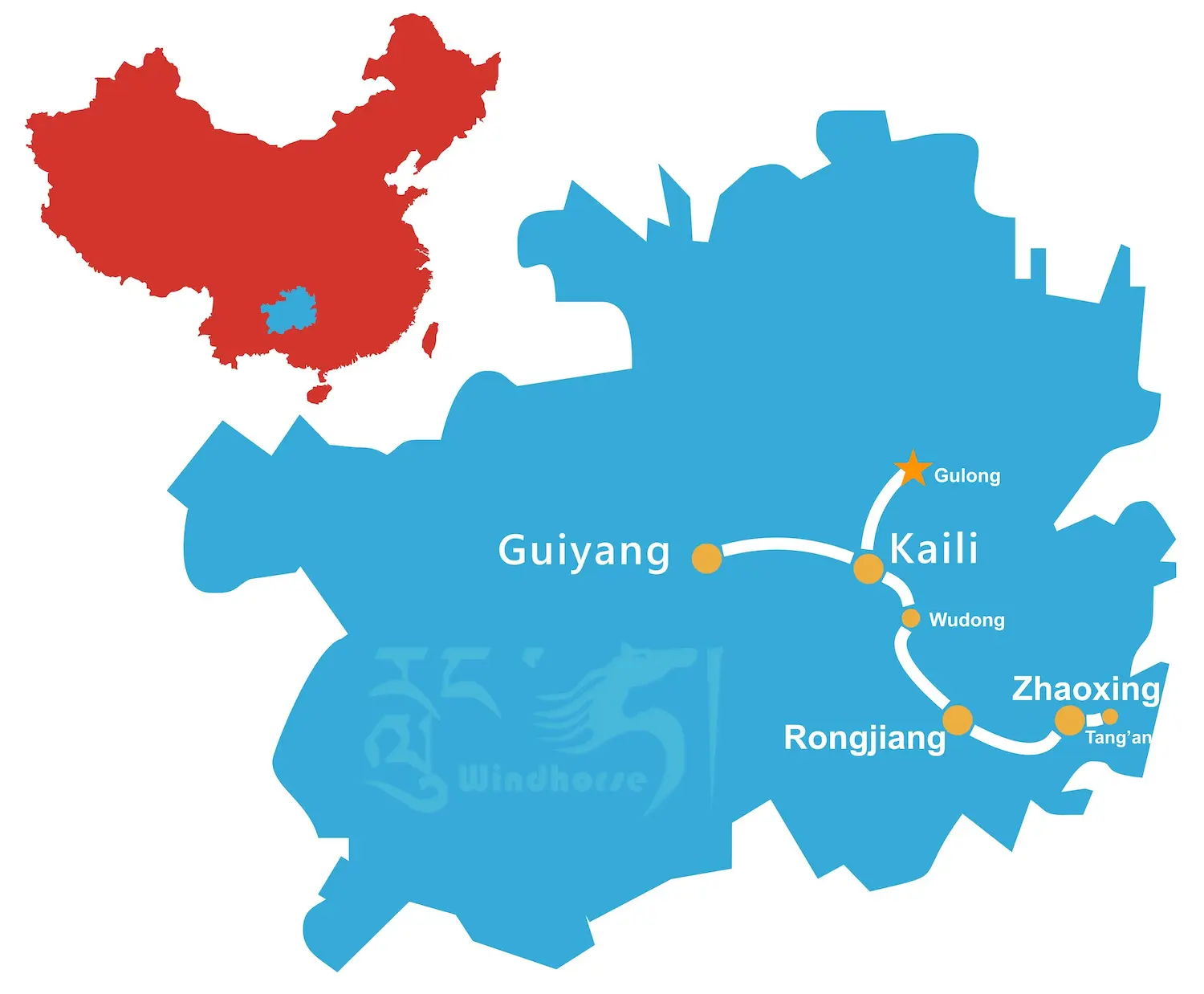
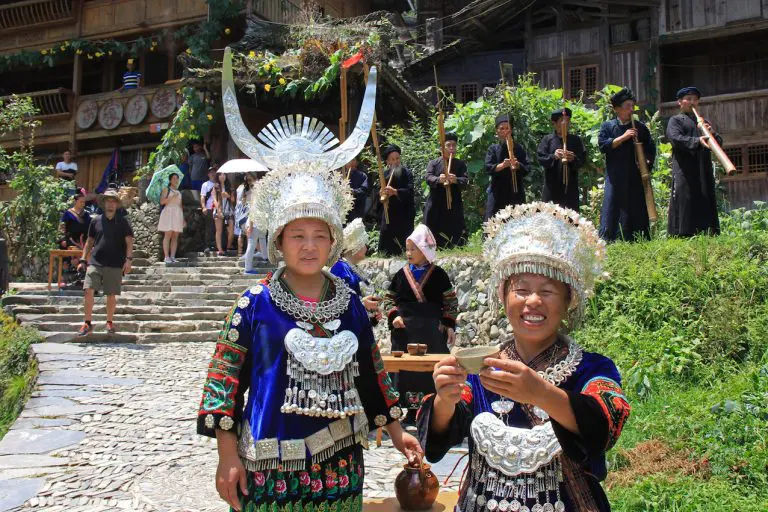
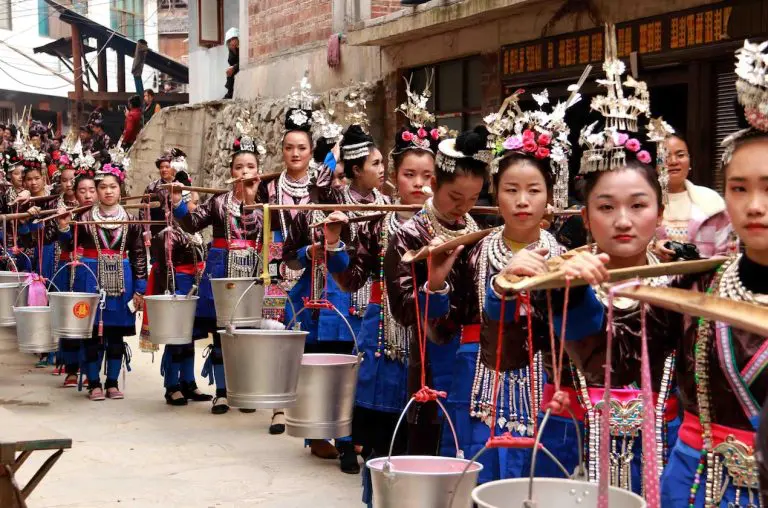
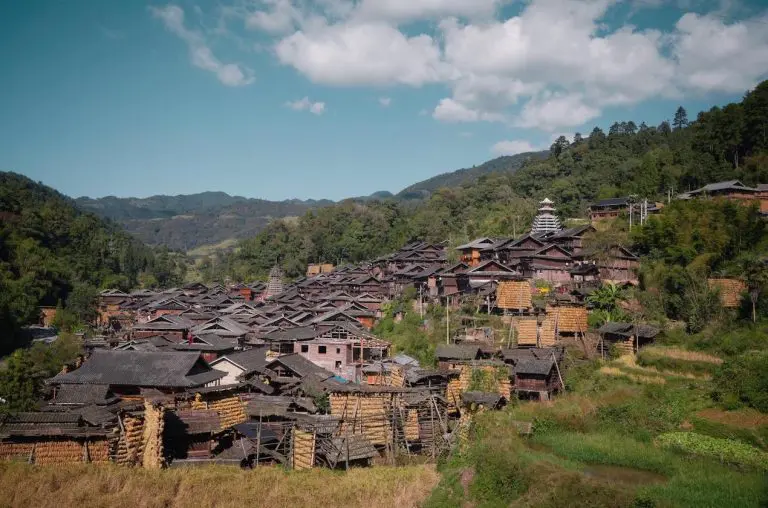
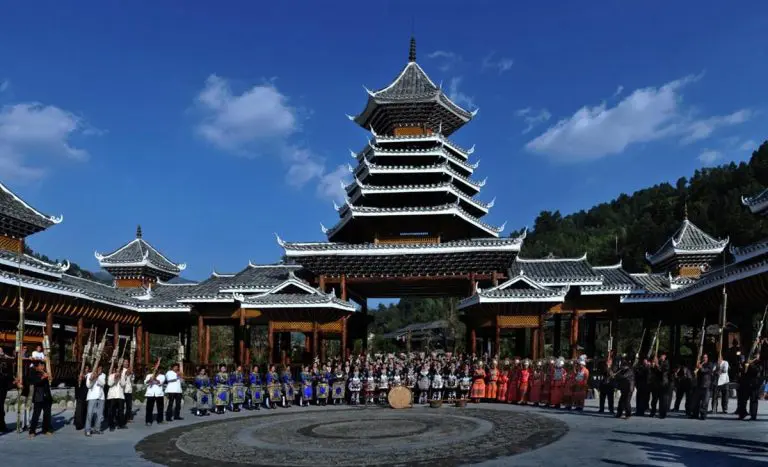
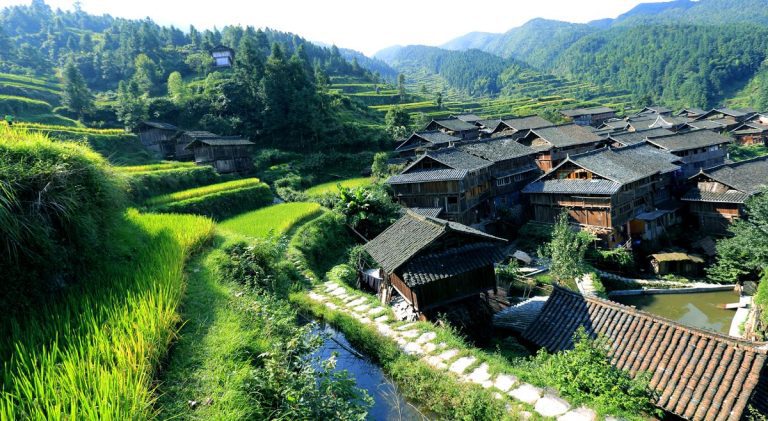
Join this 5 Days Guizhou Gulong Lusheng Festival Tour to experience the grandest celebration of the Miao people in Kaili. Enjoy traditional Lusheng music, bullfighting, and dancing, then explore the Miao and Dong villages of Kaili, Rongjiang, and Zhaoxing with their rich culture and scenic terraces.