
Tibetan Religious Objects and Their Spiritual Significance
Tibetans are known for their deep religious devotion. They express their reverence and piety in many ways through offerings, prayer, circumambulation, and worship, and in each of these practices, religious objects play an essential role. These sacred items are not just symbols of belief but are powerful tools used to connect with the divine, accumulate merit, and uphold tradition.
Presenting Offerings
Offering rituals are central to Tibetan religious life. Whether in temples or homes, Tibetans prepare a variety of offerings to honor deities and gain spiritual merit. Common offerings include:
- Chemar: A festive wooden box filled with grains and topped with butter sculptures, often shaped into lifelike figures made from hardened yak butter. Chemar symbolizes prosperity, blessings, and devotion and is often displayed during festivals and ceremonies.
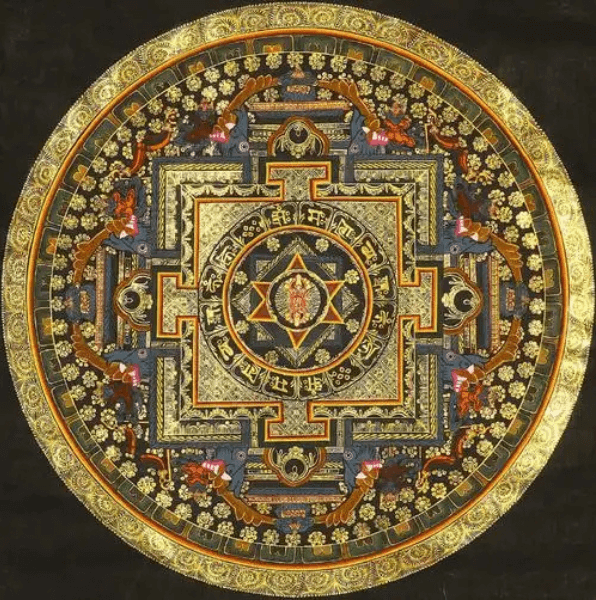
- Mandalas represent the miniature of the universe in Buddhism and are often used as an offering.
- Tsa-Tsa is a small clay Buddhist statue and stupas, a type of Buddhist pagoda, are commonly used as offerings.
Reciting Sutras and Prayer Wheels
Reciting sutras is a common religious activity in the daily life of Tibetans. However, not all Tibetans can read the characters, hence the use of prayer wheels. They are handled easily and frequently by the Tibetans wherever they may go, and the larger ones are often set up in temples for people to push around. By turning a prayer wheel for one circle, you can achieve the same merit as reciting a sutra once.
Circumambulating and Worshipping
Tibetans like to circumambulate or worship around sacred spots or along special circumambulation roads.
- Mani Stones, Prayer Flags, and Stupas are all holy places where Tibetans often worship.
- Tibetans circle these holy spots while murmuring the mantra “Om Mani Padme Hum” or worship by prostrating themselves wholly on the ground around the spot or along the sacred road.
The Spiritual Significance of Religious Objects
In the beliefs of Tibetans, by making these religious objects, they accumulate merits and please the deities. That is why many Tibetans are always ready to make them. Nowadays, many of these objects are not only enjoyed by religious people but also appreciated by others as an excellent form of art.
Religious Objects in Tibetan Buddhism
Tibet is rich in religious artifacts, many of which are deeply tied to Tibetan Buddhism. These objects are not only symbols but also tools used to connect with the divine and deepen spiritual practice.
Some significant religious objects include:
- Mala Beads: Used for prayer and meditation, these beads typically number 108 and are strung on a thread. Practitioners use them to keep count of mantras recited during meditation.
- Prayer Flags: These are colorful flags that carry prayers and mantras. When fluttering in the wind, they are believed to spread blessings and good fortune.
- Thangkas: Sacred Tibetan scroll paintings depicting religious figures, deities, or scenes. They are often used in rituals and displayed in temples.
- Statues and Idols: Representations of Buddhist deities, such as the Buddha, Padmasambhava, and various bodhisattvas, made from materials like bronze, wood, and clay.
- Ritual Implements: Objects used in religious ceremonies, including:
- Dharma Wheels: Representing the teachings of Buddha.
- Vajras: Symbolizing compassion and power.
- Bell and Dorje: Used in rituals to invoke spiritual power.
- Mantras and Prayer Rolls: Written prayers or mantras inscribed on scrolls or in prayer wheels, which are spun to release blessings.
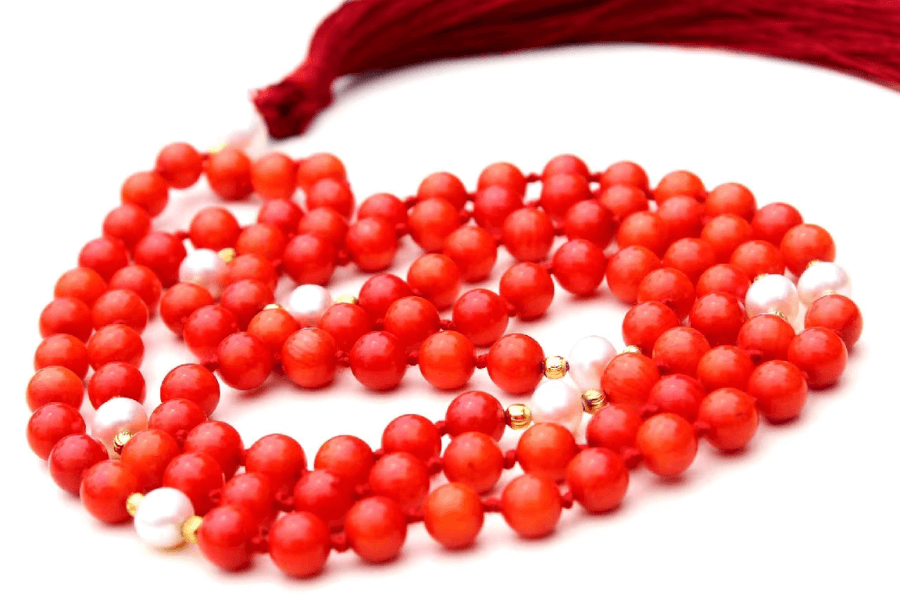
These religious objects play an essential role in Tibetan rituals, such as presenting offerings, reciting prayers, and circumambulating sacred spots. Tibetans use these objects to accumulate merit and honor their deities.
Related tours

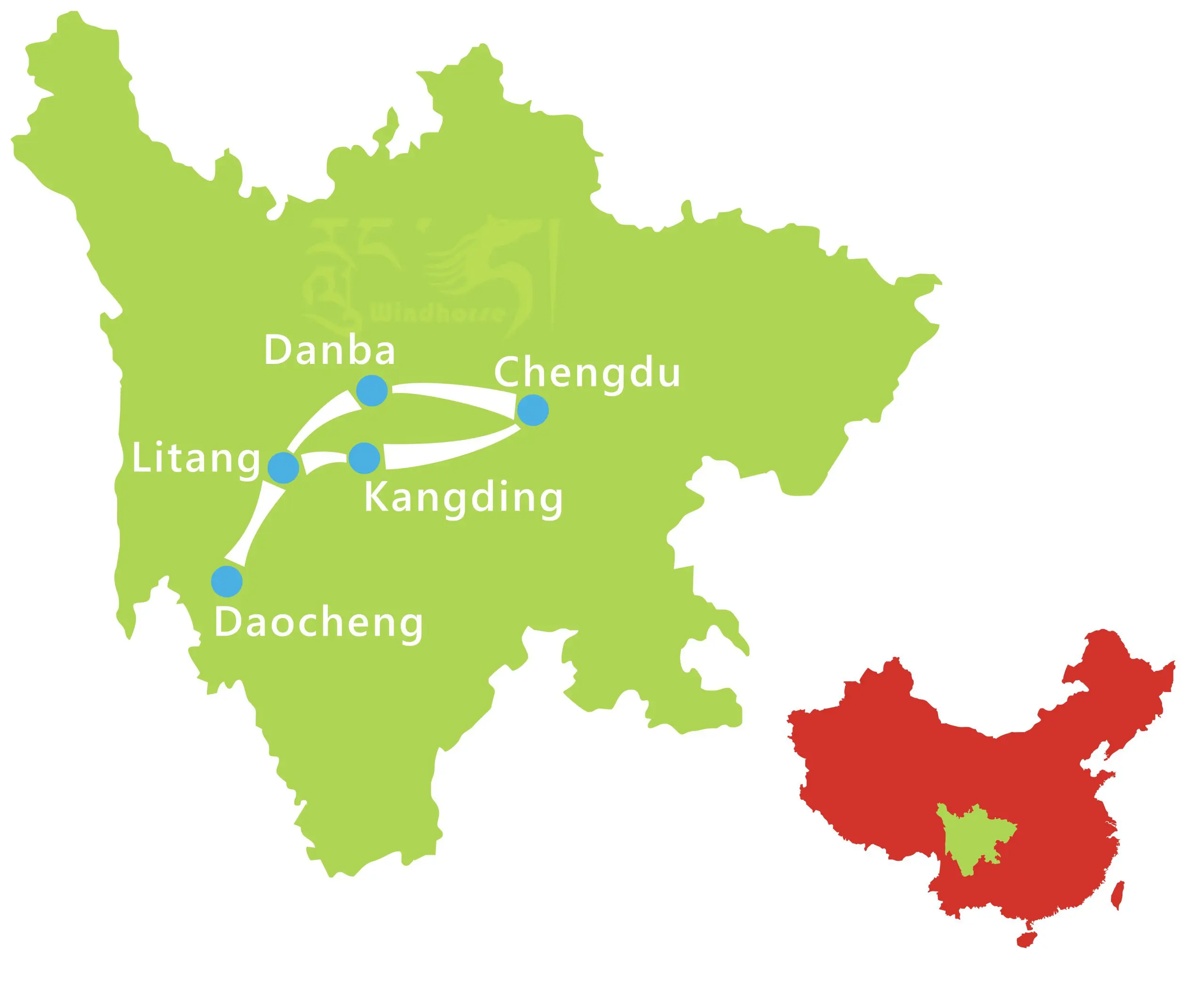
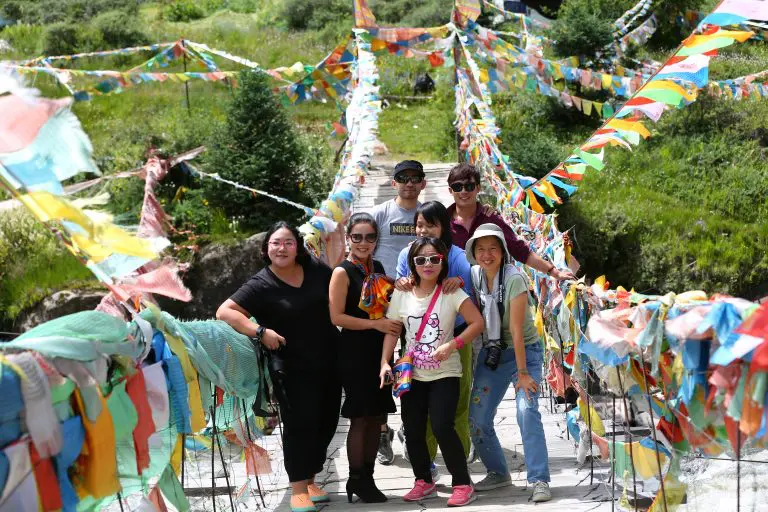
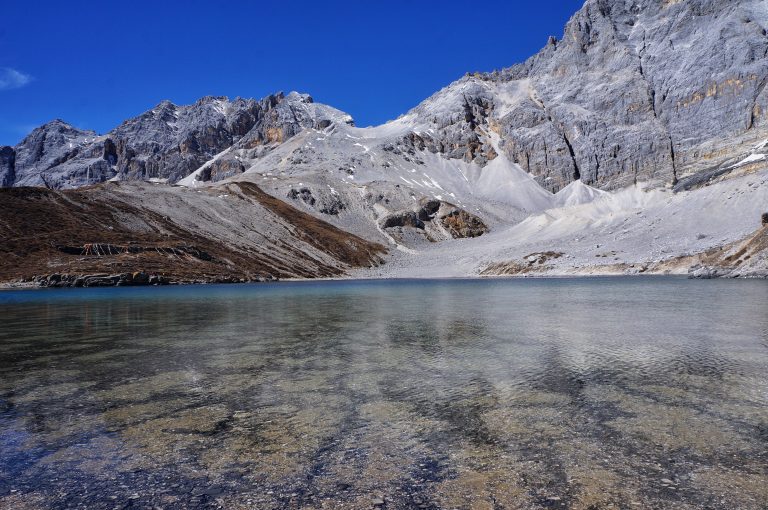
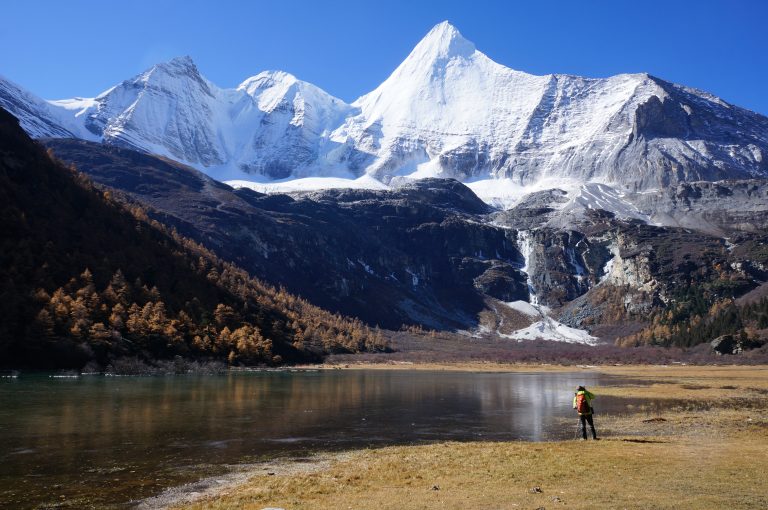
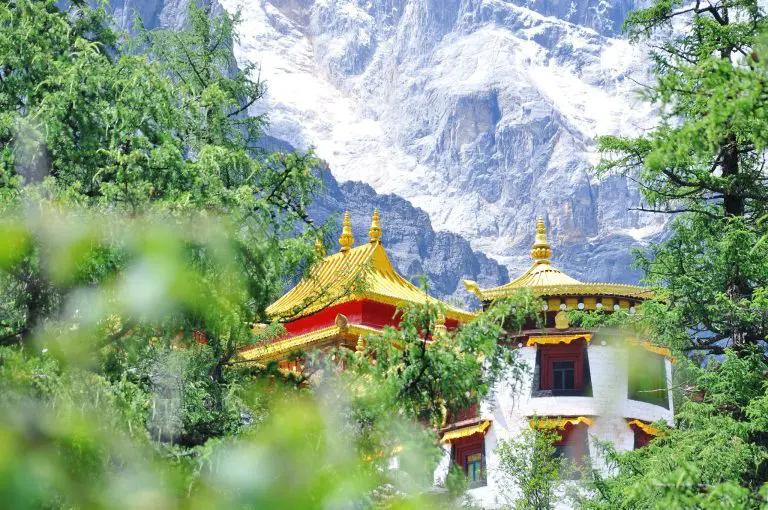
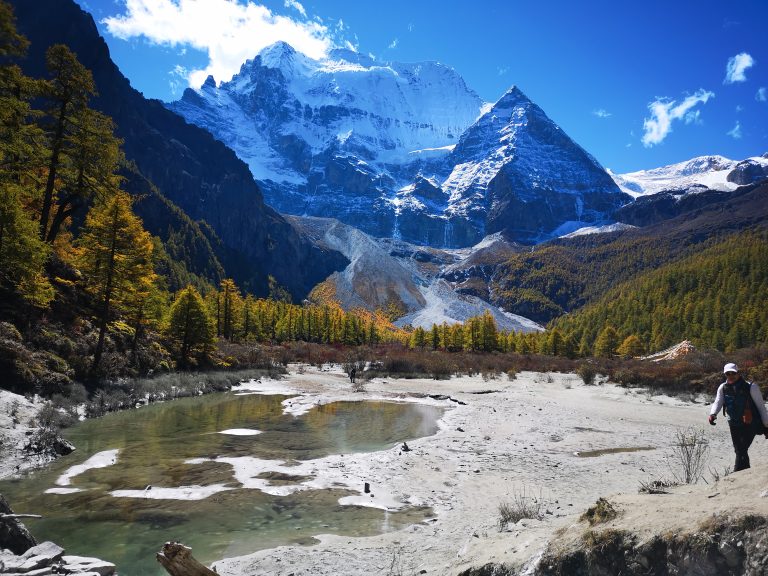
One of the most popular overland travel to Daocheng Yading Nature Reserve from Chengdu, discover the most incredible beauty of the land including majestic snow mountains, expansive meadows, glacier lakes and forested valleys.
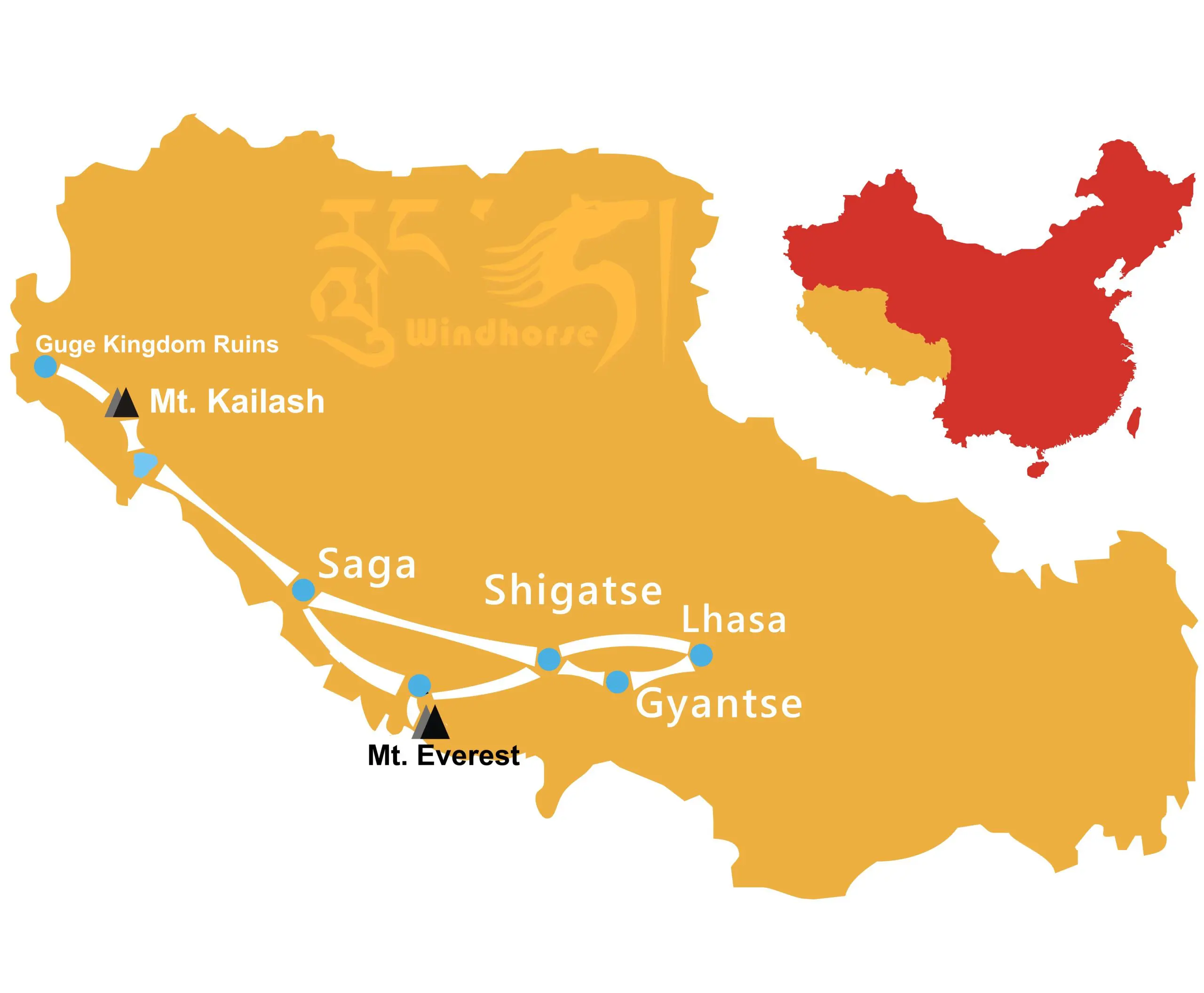
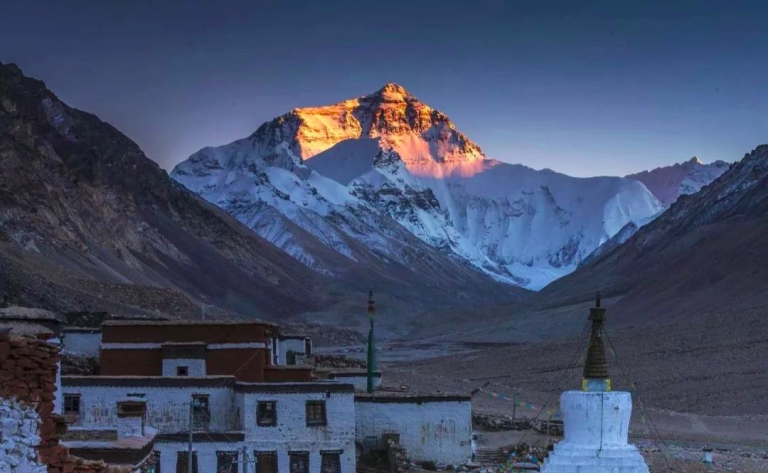
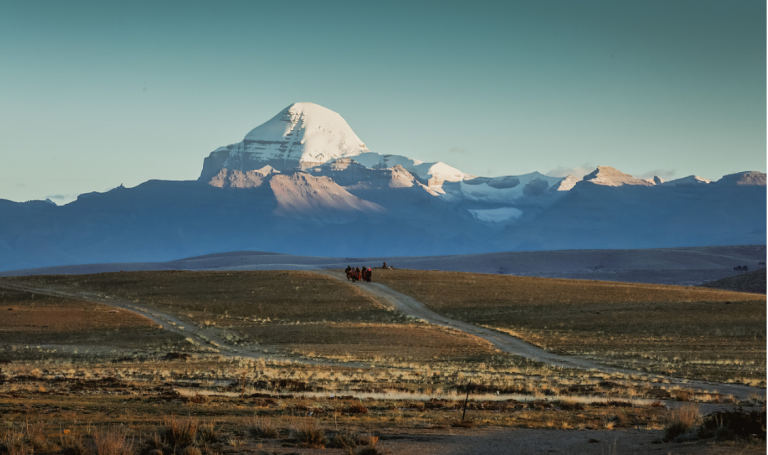
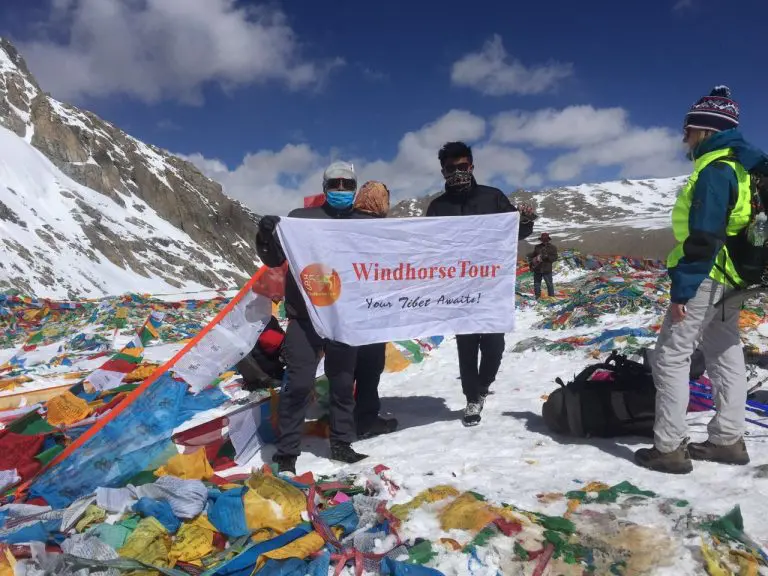
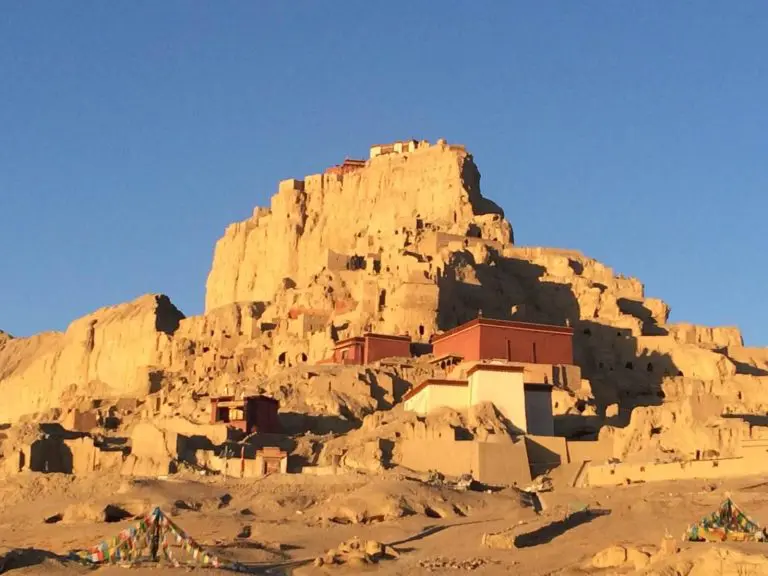
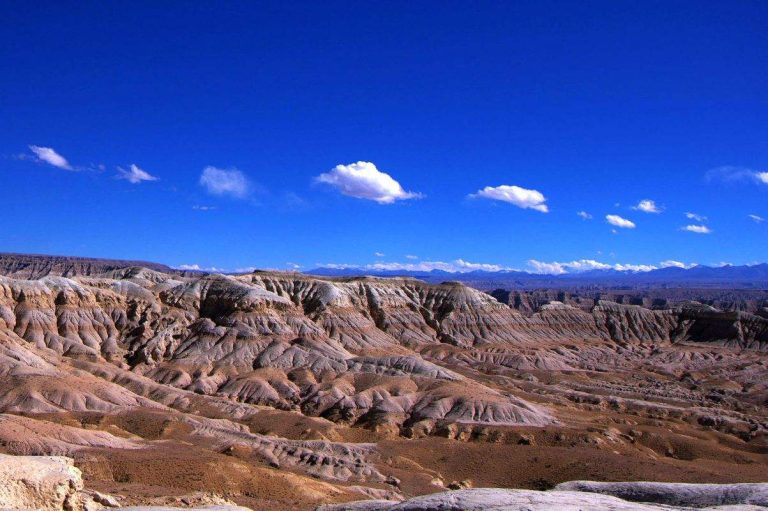
This 17-day Tibet Mt Kailash tour takes you on an in-depth journey through Far Western Tibet, featuring Mount Kailash trekking, the Guge Kingdom, Mount Everest, monasteries, and stunning landscapes. This tour starts and ends in Lhasa.
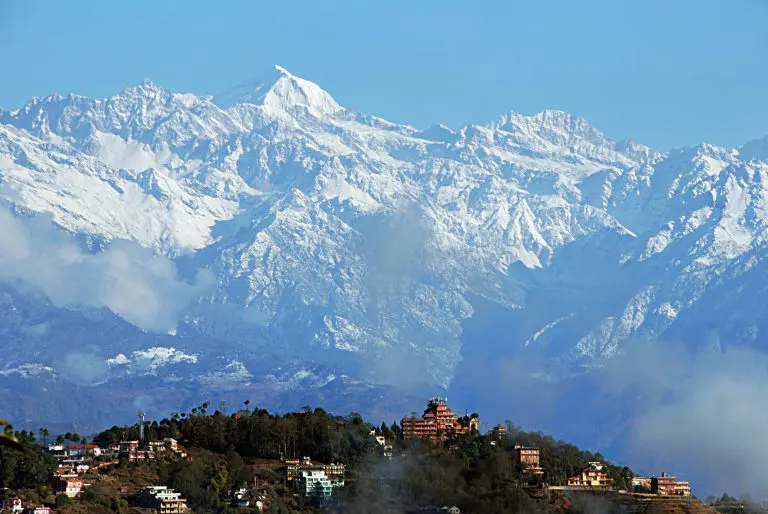

Experience Nepal's perfect short adventure on this 6 day Chisapani Nagarkot Trek with Kathmandu City Tour. Discover Kathmandu's UNESCO Heritage Sites, then enjoy a 3 day scenic trek through Shivapuri National Park to Nagarkot for spectacular sunrise views of the majestic Himalayas.