
Tibetan Music: Chants, Folk Songs, Opera & Traditional Instruments
Music plays a vibrant role in Tibetan cultural life, particularly in its strong secular traditions. In urban centers, songs have historically served as outlets for social commentary, spreading news, and even satirizing officials. Singing has always been interwoven into everyday Tibetan life—whether during labor or leisure. Even today, it’s common to witness monastery reconstruction teams singing in unison as they work, their rhythmic chants echoing from rooftops. Group singing is often organized with men and women taking turns in call-and-response refrains, especially during festivals and outdoor gatherings like picnics.
Tibet also preserves a long-standing tradition of wandering minstrels. These traveling performers, still seen today in cities like Lhasa and Shigatse, share stories through song—whether on busy streets or in restaurants (when permitted).
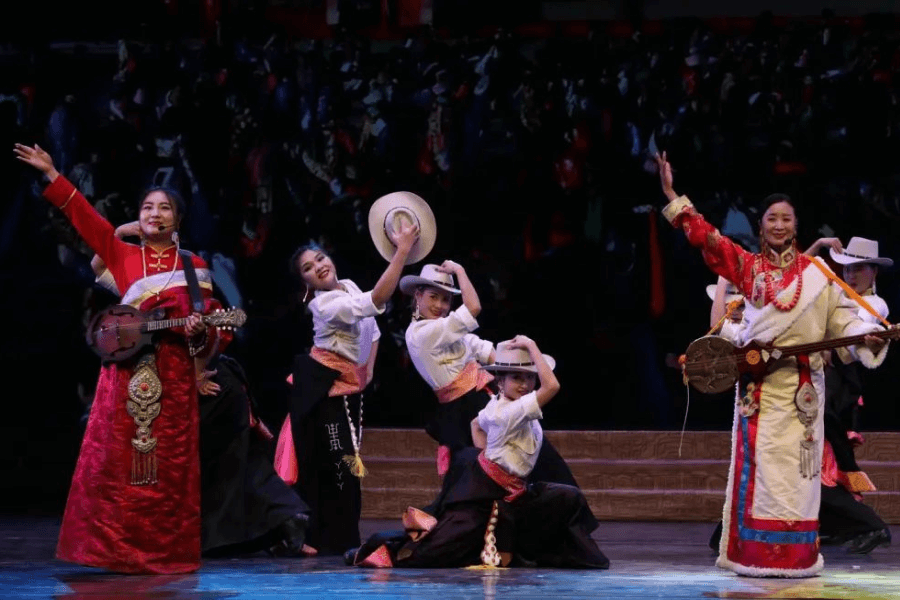
Typically, two or three performers form a group, singing short ballads or epic tales while strumming a traditional four-stringed Tibetan lute. In the past, such entertainers roamed from village to village, offering a welcome escape from the daily grind of rural life. Some troupes even included dancers and acrobats, turning their performances into dynamic displays of storytelling and art.
Types of Music in Tibet
Tibetan music is a rich and diverse tradition deeply rooted in the cultural and spiritual life of the Tibetan people. It encompasses a variety of styles, instruments, and purposes, ranging from religious and ceremonial music to folk and popular genres. Here are some key aspects of Tibetan music:
Religious and Ceremonial Music
While the secular music of Tibet has an instant appeal for foreign listeners, the liturgical chants of Buddhist monks and the music that accompanies cham dances is a lot less accessible. Buddhist chanting creates an eerie haunting effect, but soon becomes very monotonous. The music of cham is a discordant cacophony of trumpet blasts and boom-crash drums-atmospheric as an accompaniment to the dancing but not exactly the kind of thing you would want to slip into the CD player.
Buddhist Chanting: Tibetan Buddhism plays a central role in Tibetan culture, and religious music is a significant part of this tradition. Monks perform chants, often in deep, resonant tones, as part of rituals and ceremonies. These chants are believed to have spiritual power and are used in meditation, prayer, and rituals.
Instruments: Common instruments used in religious music include the dungchen (long horns), gyaling (oboe-like instruments), drilbu (handbells), and nga (drums). These instruments create a unique, meditative soundscape.
Mantras and Sacred Texts: Chanting often involves the repetition of mantras (sacred syllables or phrases) and the recitation of sacred texts, such as Sanskrit Om Mani Padme Hum.
Folk Music
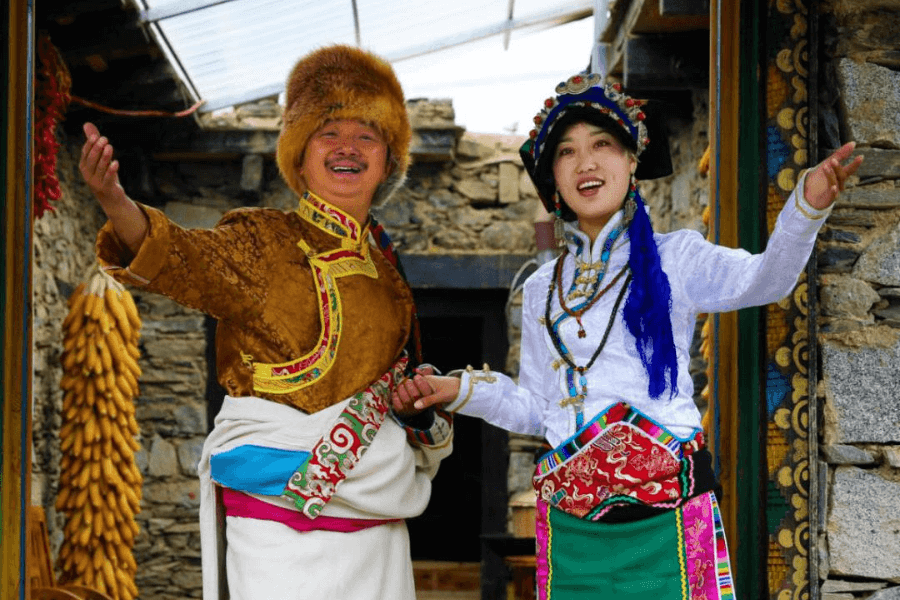
Folk Songs: Tibetan folk music is diverse and varies by region. It often reflects the daily life, struggles, and joys of the Tibetan people. Themes include love, nature, and the challenges of living in the high-altitude environment of the Tibetan Plateau.
Dance and Music: Folk music is often accompanied by traditional dances, such as the Gorshey (circle dance), where people sing and dance in a circle, holding hands.
Instruments: Folk music features instruments like the dranyen (a lute-like string instrument), piwang (a two-stringed fiddle), and limbu (flute). These instruments are used to accompany songs and dances.
Opera (Lhamo)
Lhamo: Tibetan opera, known as Lhamo, is a traditional form of musical theater that combines music, dance, and drama. It often tells stories from Tibetan history, mythology, and Buddhist teachings. Performances are colorful and elaborate, with actors wearing traditional costumes and masks.
Performance Context: Lhamo is traditionally performed during festivals, particularly the Shoton Festival, and is an important cultural event.
Modern Tibetan Music
Contemporary Influences: In recent decades, Tibetan musicians have blended traditional elements with modern genres like pop, rock, and hip-hop. This fusion has helped to preserve Tibetan culture while appealing to younger generations.
Exile and Diaspora: Many Tibetan musicians live in exile, particularly in India, Nepal, and the West. Their music often reflects themes of cultural preservation, political struggle, and the longing for their homeland.
Conclusion
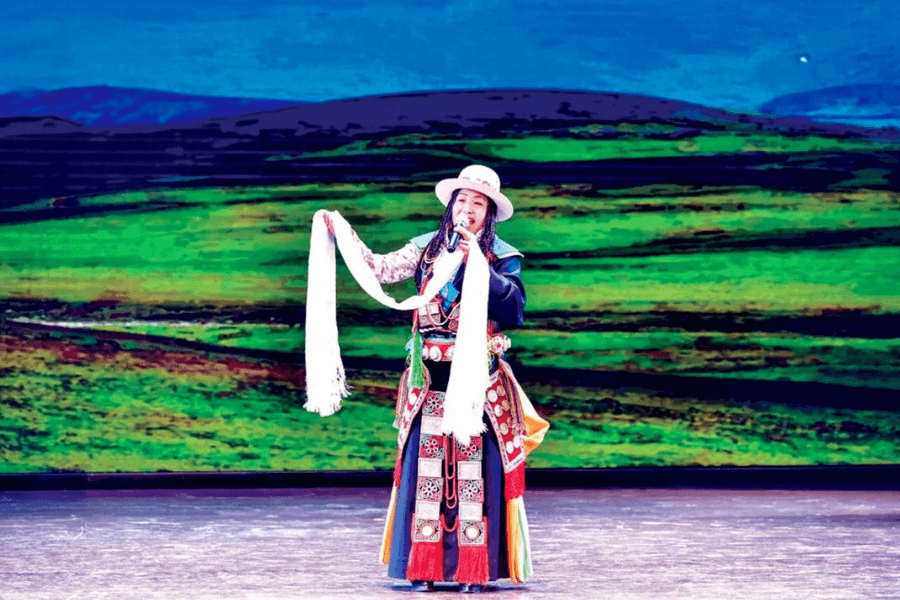
Tibetan music is a deep and varied tradition that shows the spiritual, cultural, and historical richness of the Tibetan people. From the powerful chants of monks to the energetic beats of folk dances and the fresh sounds of modern artists, Tibetan music keeps inspiring and connecting with people all over the world.
Related tours
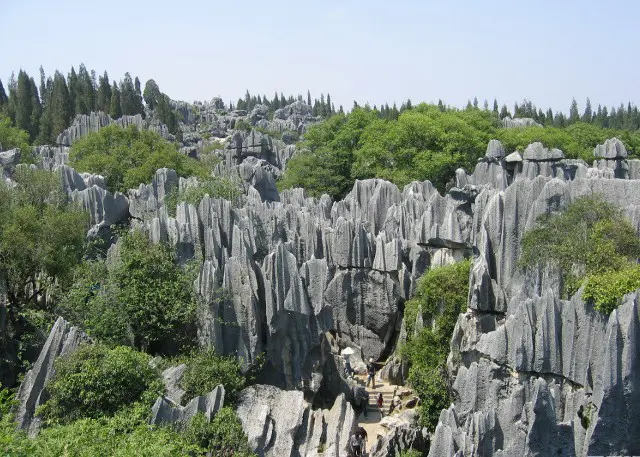
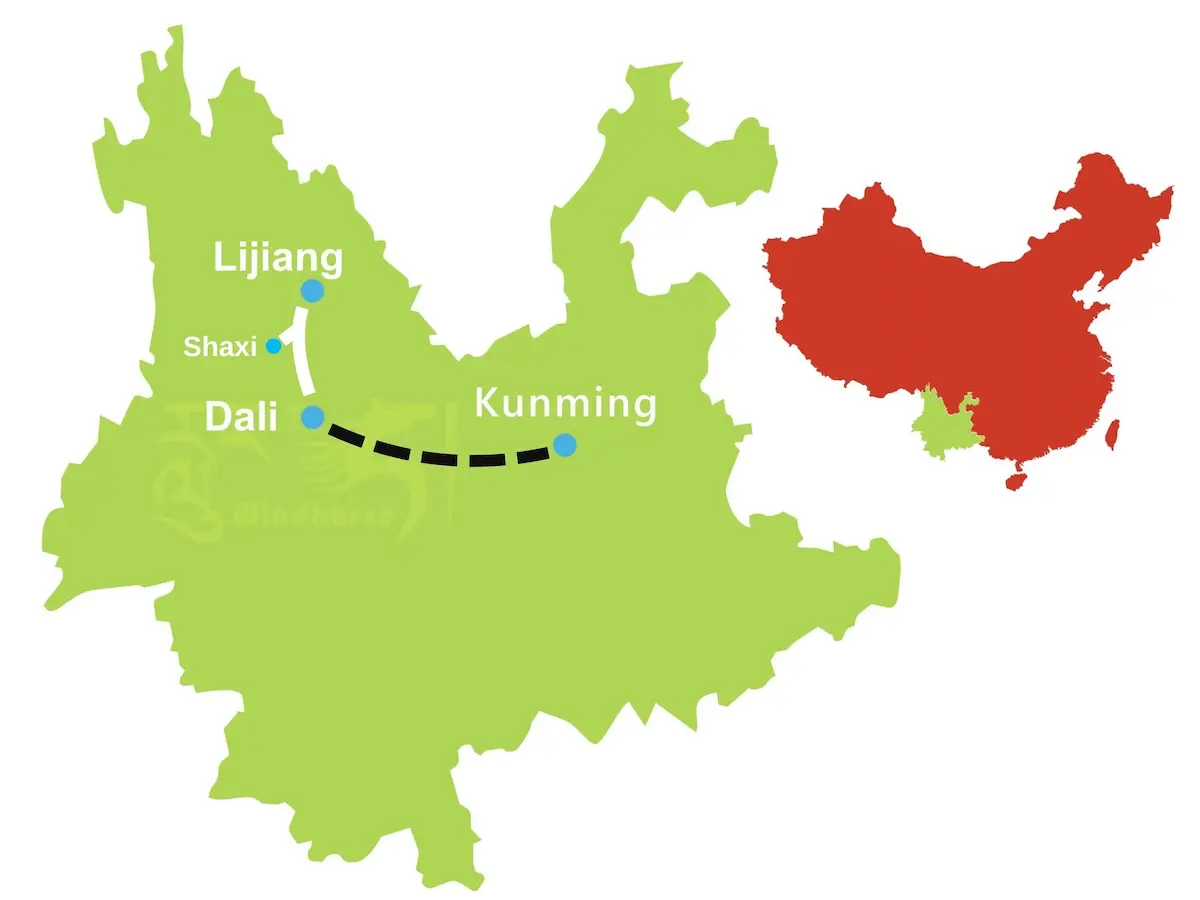
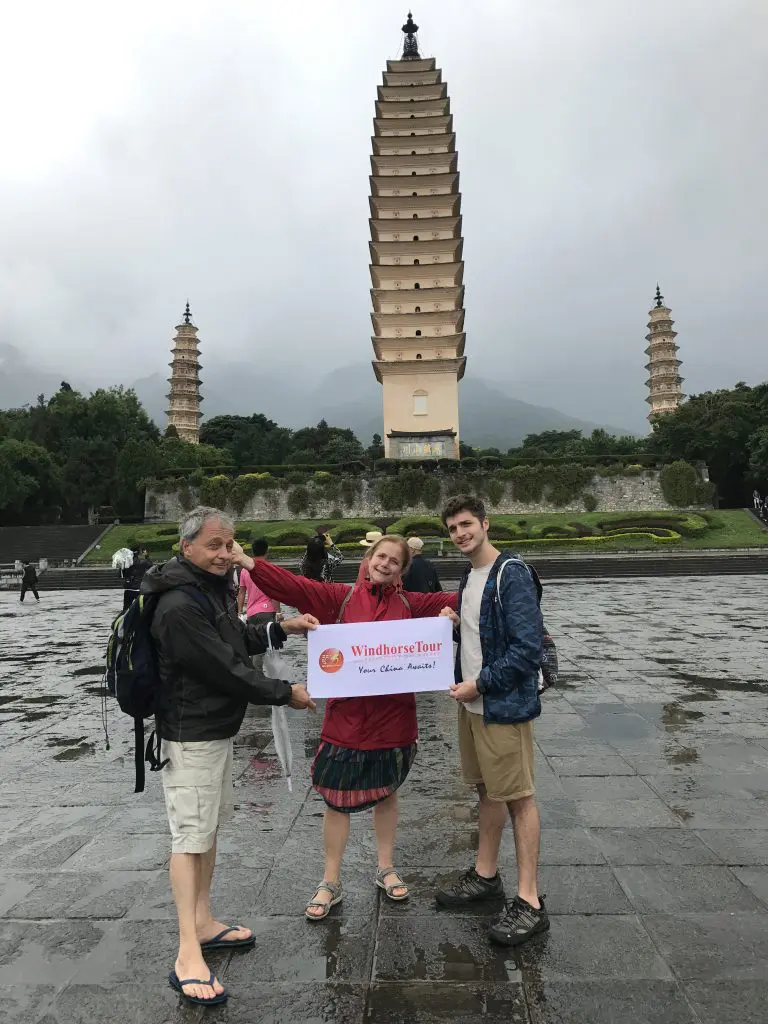
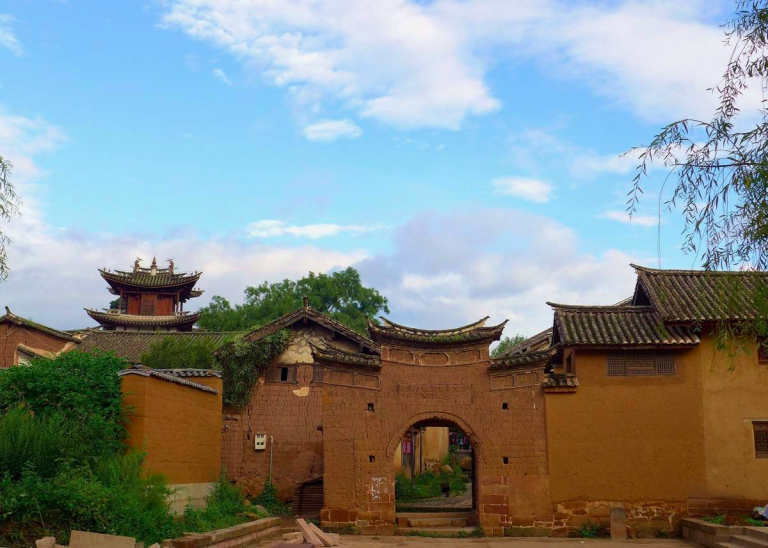
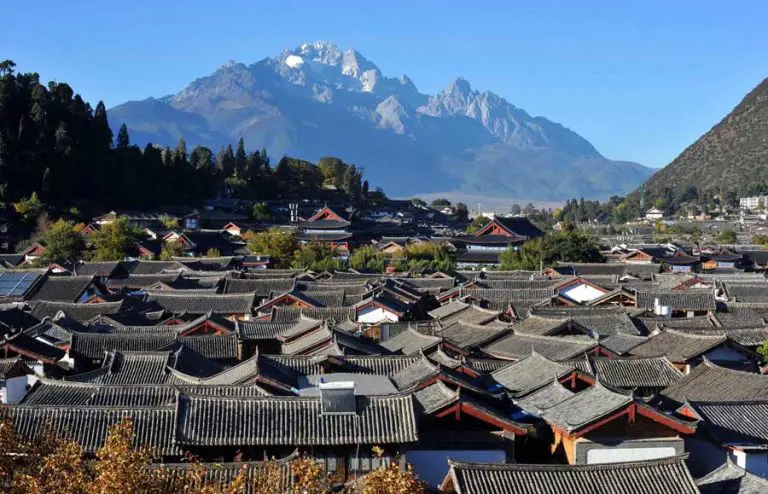
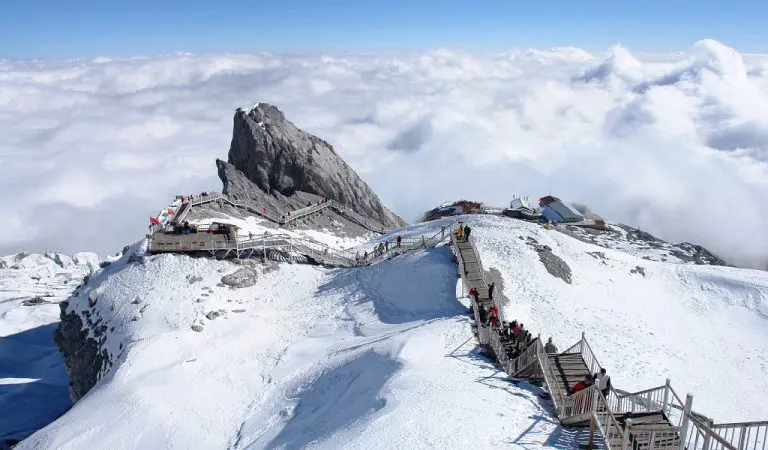
Explore Yunnan's most iconic destinations on this 7-day private tour. From Kunming's Stone Forest to Dali's ancient towns and Lijiang's Jade Dragon Snow Mountain, with a stop at the lesser-known Shaxi on the Tea Horse Road.
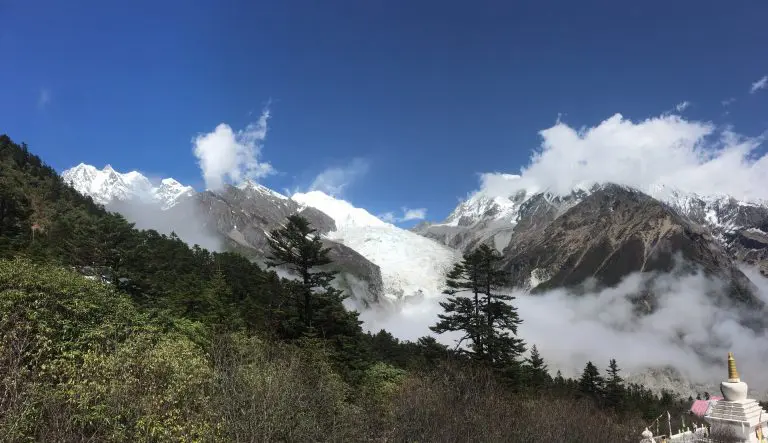
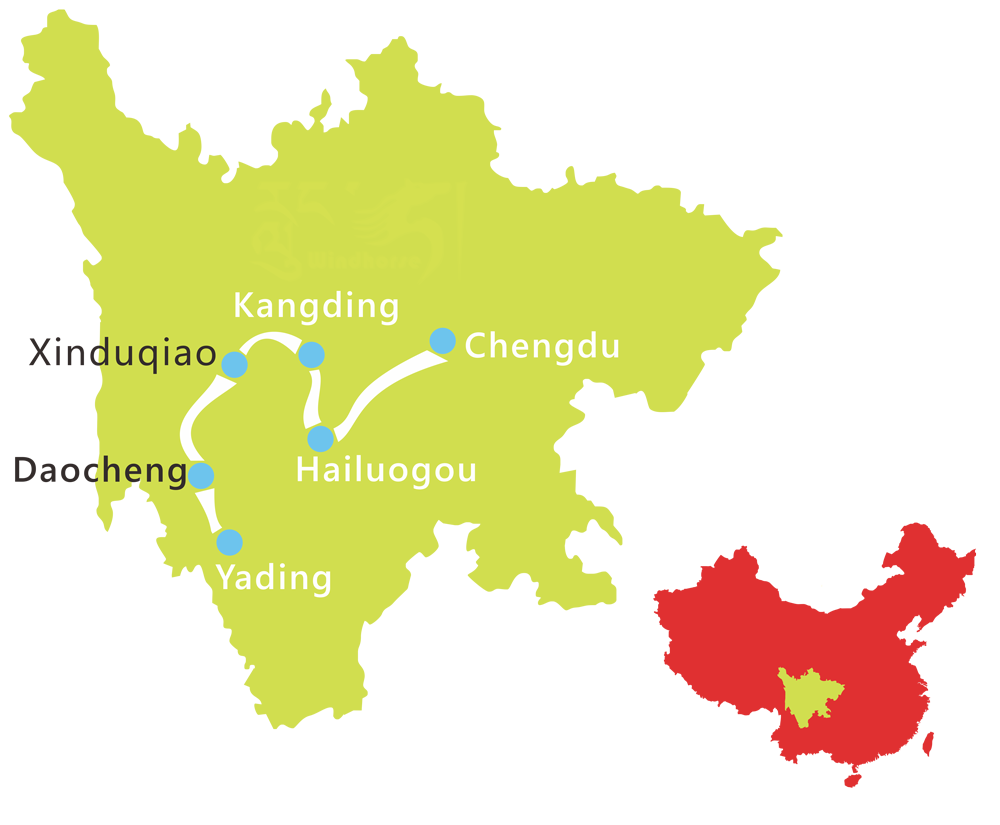
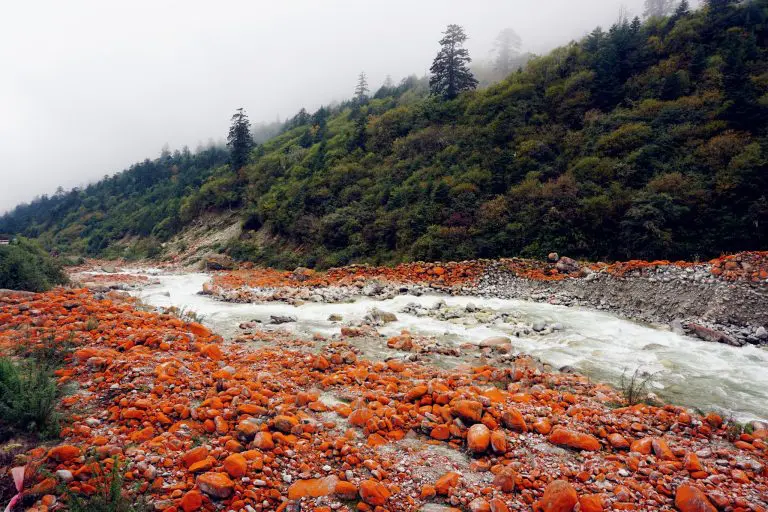
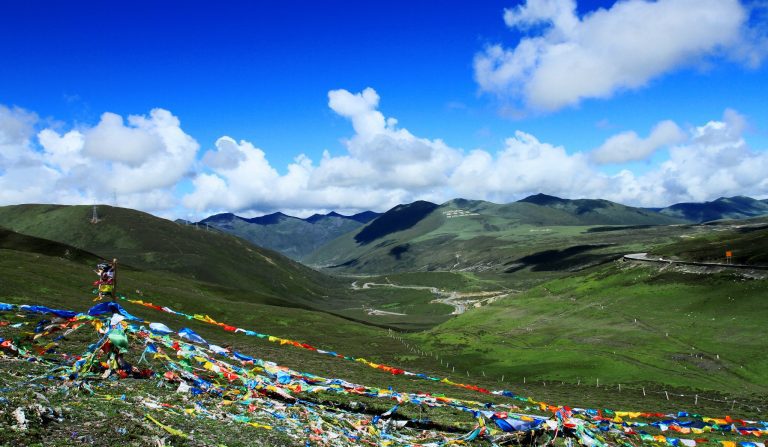
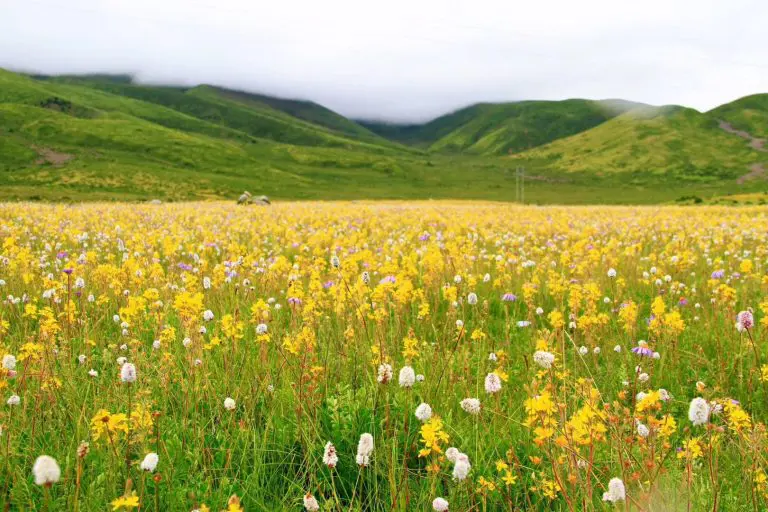
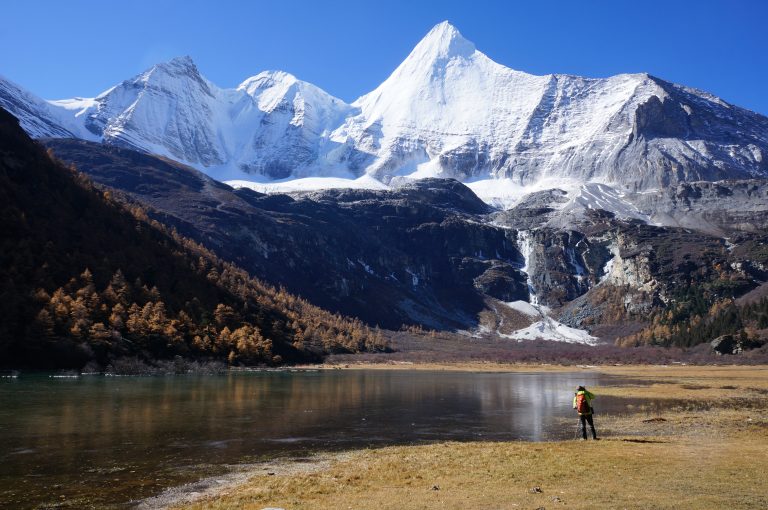

Journey from Chengdu to the Hailuogou Glacier and the breathtaking Daocheng Yading Nature Reserve. Witness the ice falls of Mount Gongga, photograph the highland meadows of Xinduqiao, and hike to the sacred Milk and Five Color Lakes in Yading, the Last Shangri La of China.
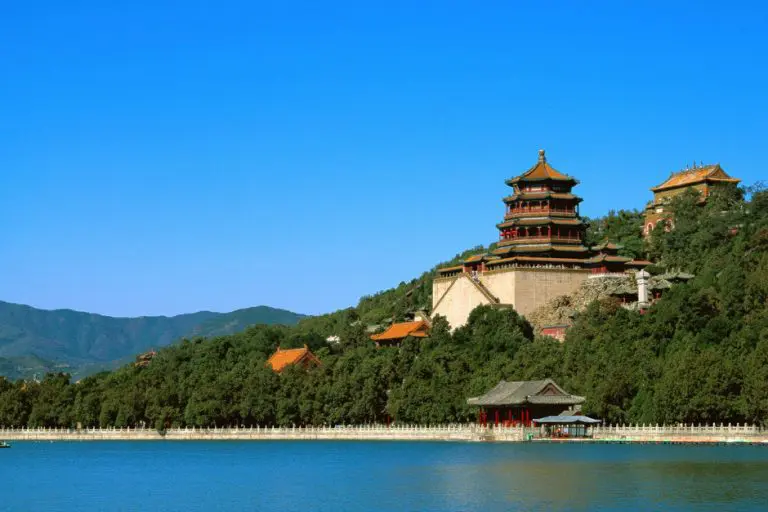

Explore Beijing’s essential sights in two days, including the Forbidden City, Summer Palace, Temple of Heaven, traditional hutongs and Mutianyu Great Wall on a private tour.