
Yangguan Pass
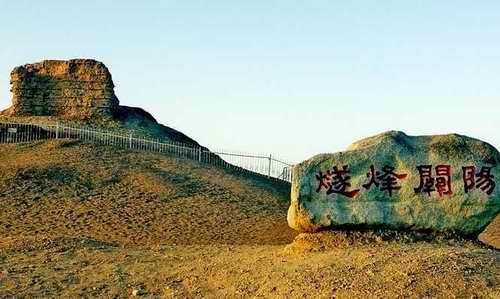
Yangguan Pass is known to many Chinese people through a poem wrote by Wangwei (a famous poet living in Tang Dynasty). Yangguan Pass literally means ‘Sun Gate” and is located approximately 70 km.(43 mi.) southwest of Dunhuang City in Gansu Province.
It is so named because it’s in the south of Yumen Pass and Yang means south in Chinese. In ancient China, it was used as an outpost to defend enemies and was a vital pass along Silk Road.
Yangguan Pass was built by Emperor Wu during the Western Han Dynasty. Today swarms of tourists are attracted there to appreciate this historical site and the vitally important role it has played and is still playing nowadays.
Interested in This Attraction? Contact Us Now!
While wandering in this historical ruins, you may even have the luck to pick up some antiques like ancient coins, pottery pieces, implements of production and articles for daily use left behind from time immemorial.
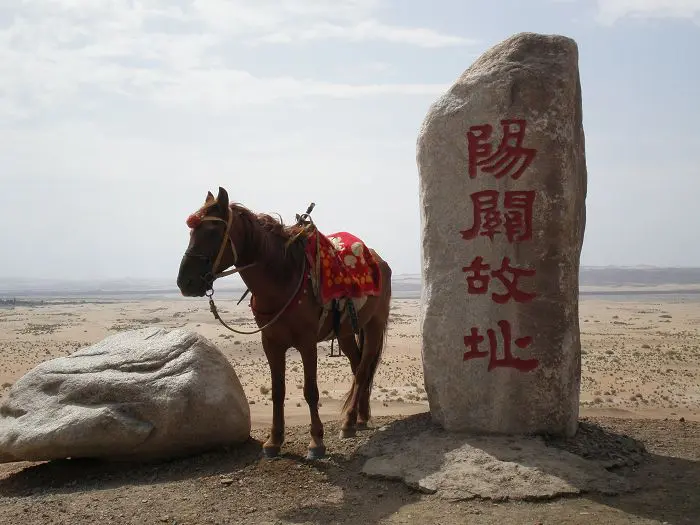
Not far from Yangguan Pass there is a village named Nanhu which is well known for its various kinds of fruits, grapes in particular.
Every year from late August to early September when the grapes ripen, you’ll be surprised by bunches of grapes hanging down from the grape vines. Therefore, in terms of grapes, Nanhu is also honored as the “Small Turpan”
Yangguan Pass opens from 8:00-17:00 and the ticket price is 40 RMB (6.6 USD) per person.
Related tours
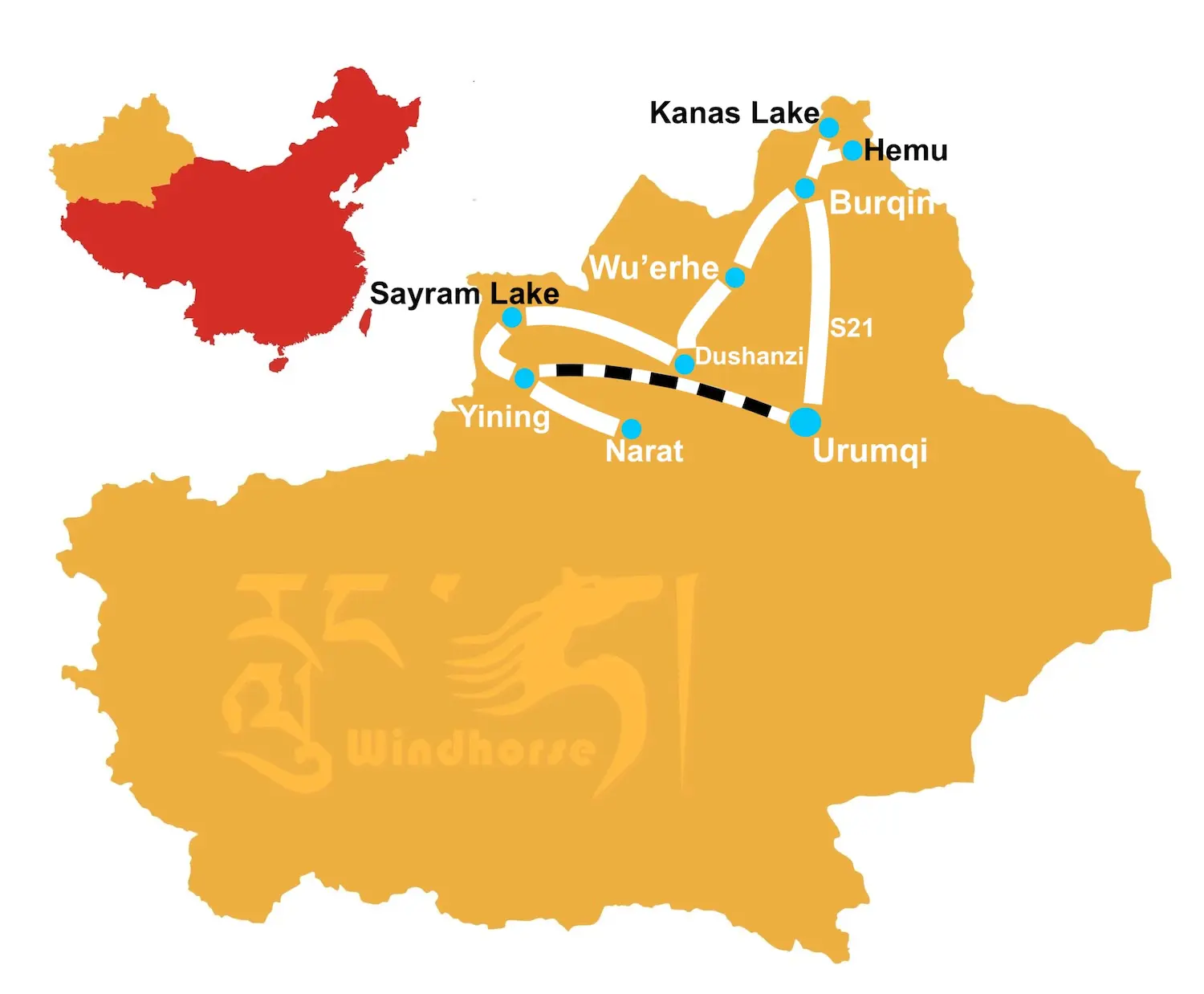
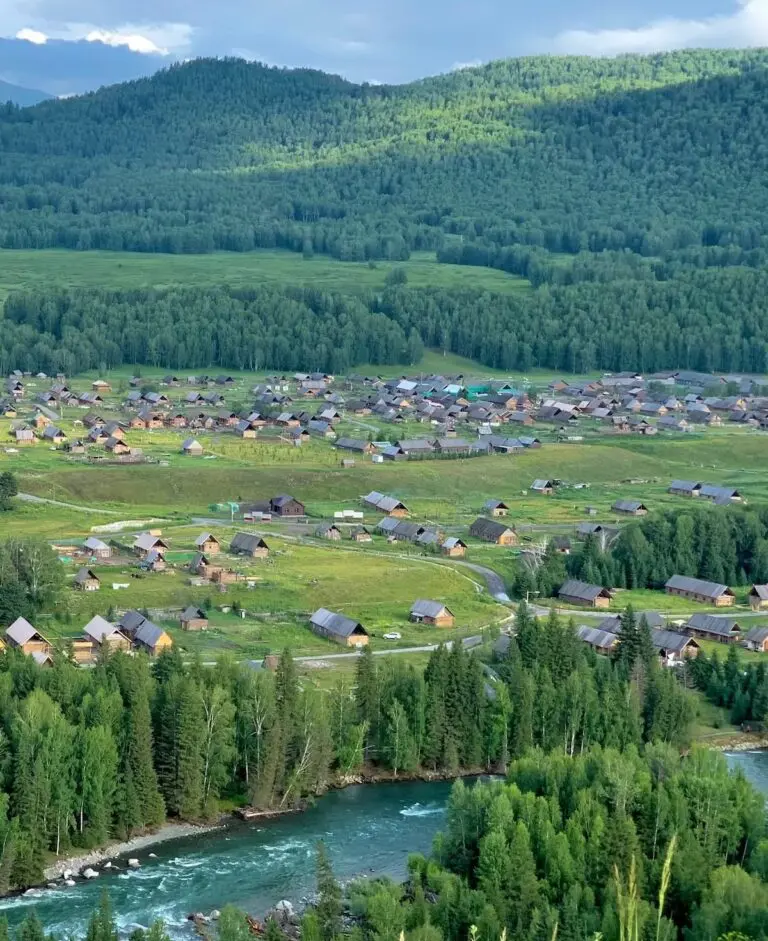
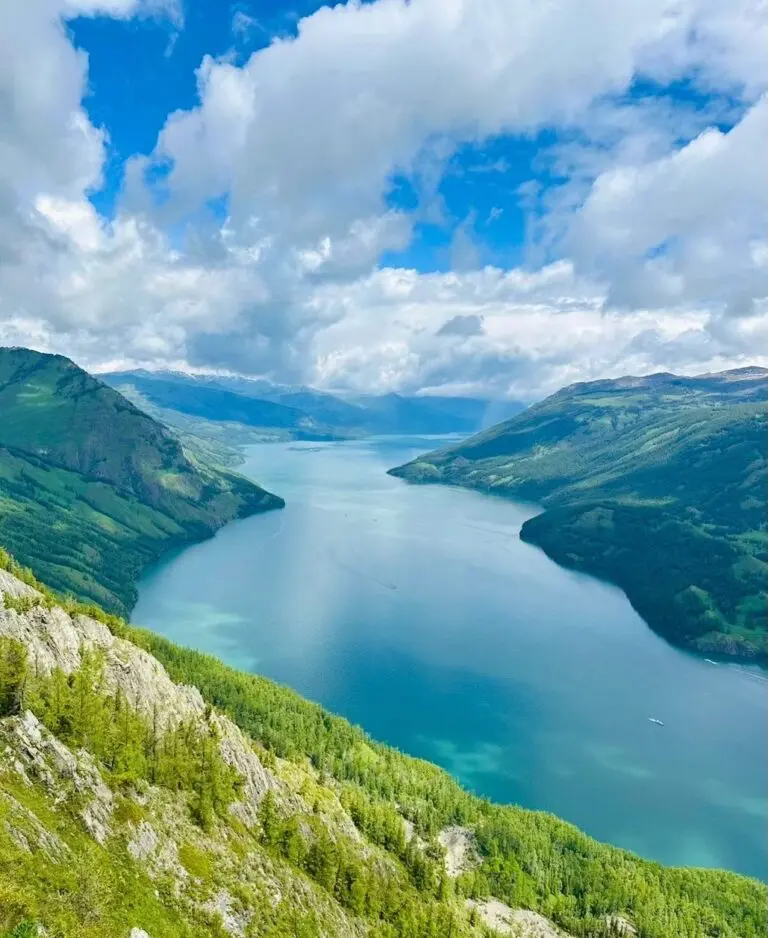
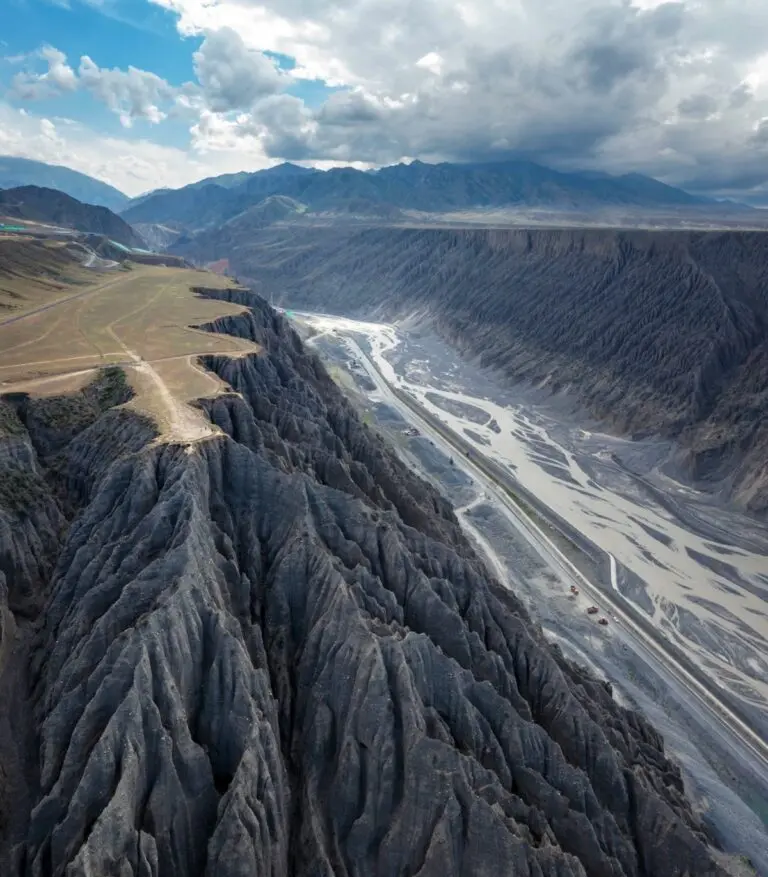

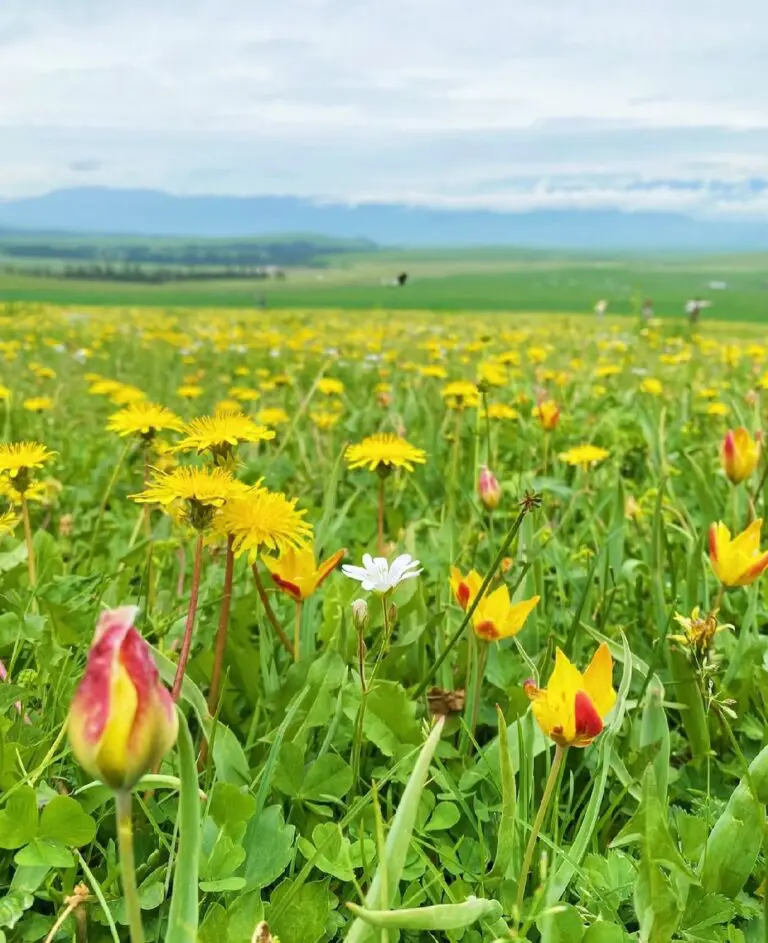
This 10-day Northern Xinjiang tour covers Kanas Lake, Hemu Village, Devil’s City, Sayram Lake, and Nalati Grassland. Explore stunning alpine lakes, ethnic culture, and vast grasslands on a scenic journey through the wild beauty of Xinjiang.

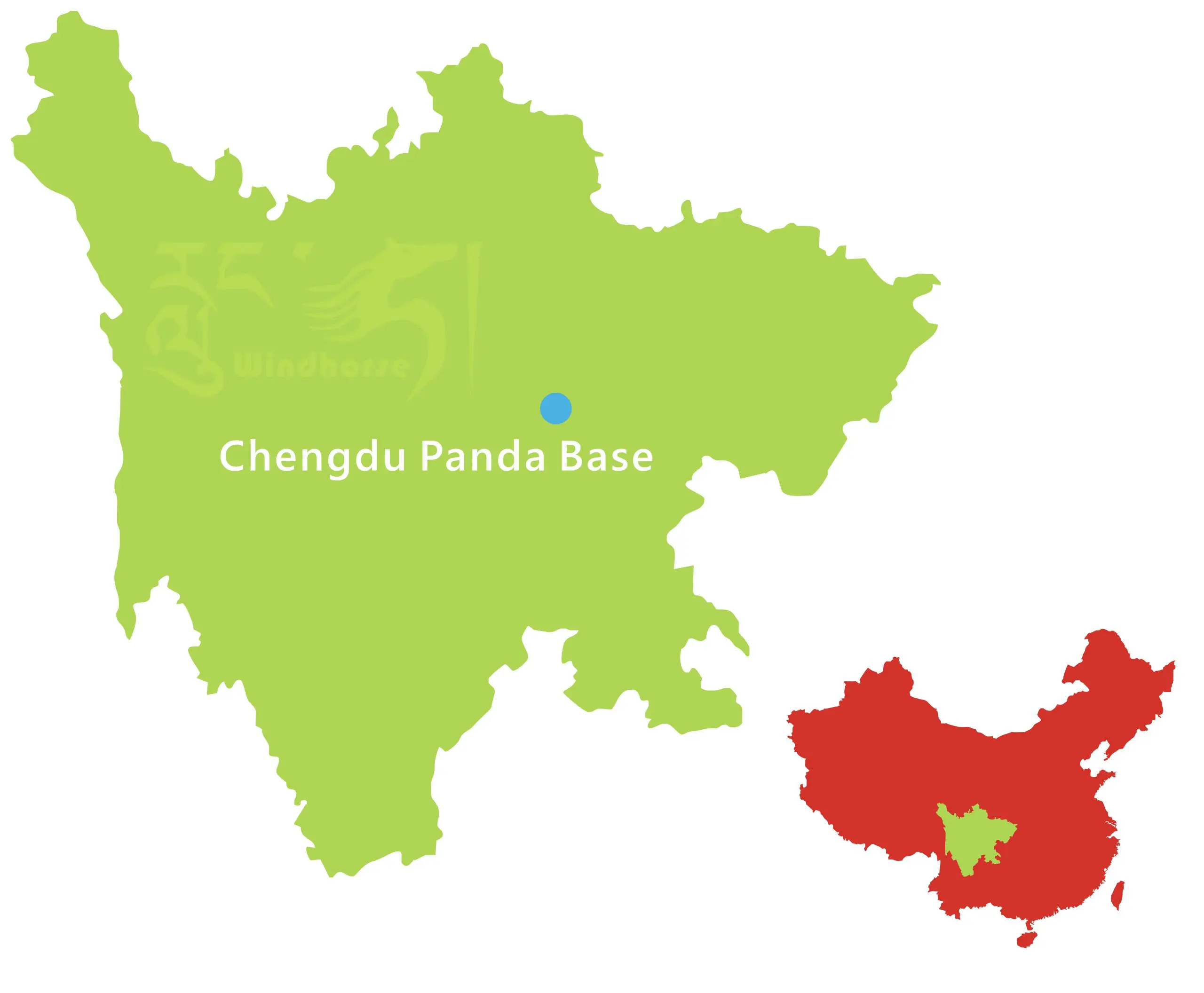


Sichuan is the natural home of the precious pandas and the best place to spend half day to visit those chubby bears. Arrive to see them when most active and feeding. Get closer by holding a panda and get a once in a lifetime photo.
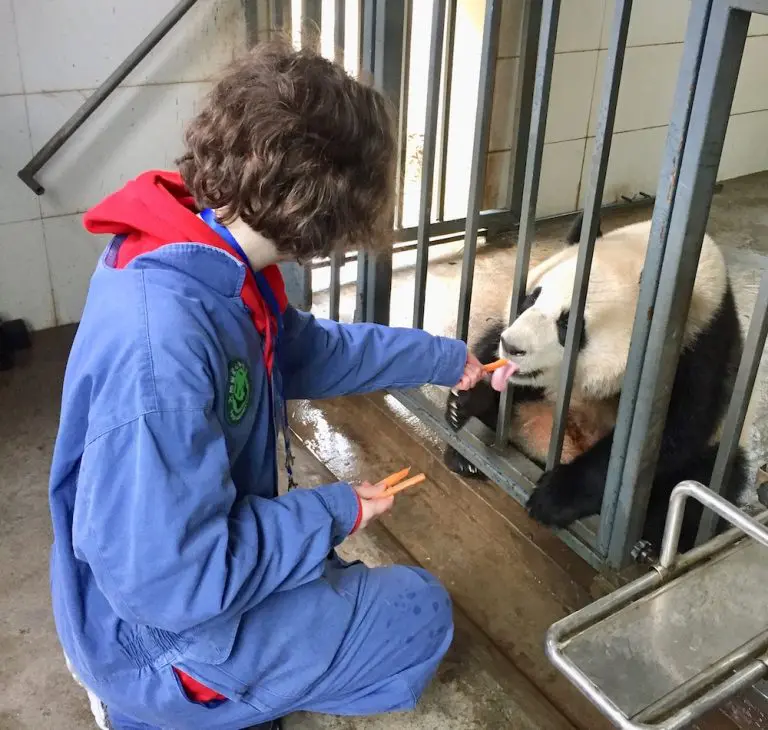
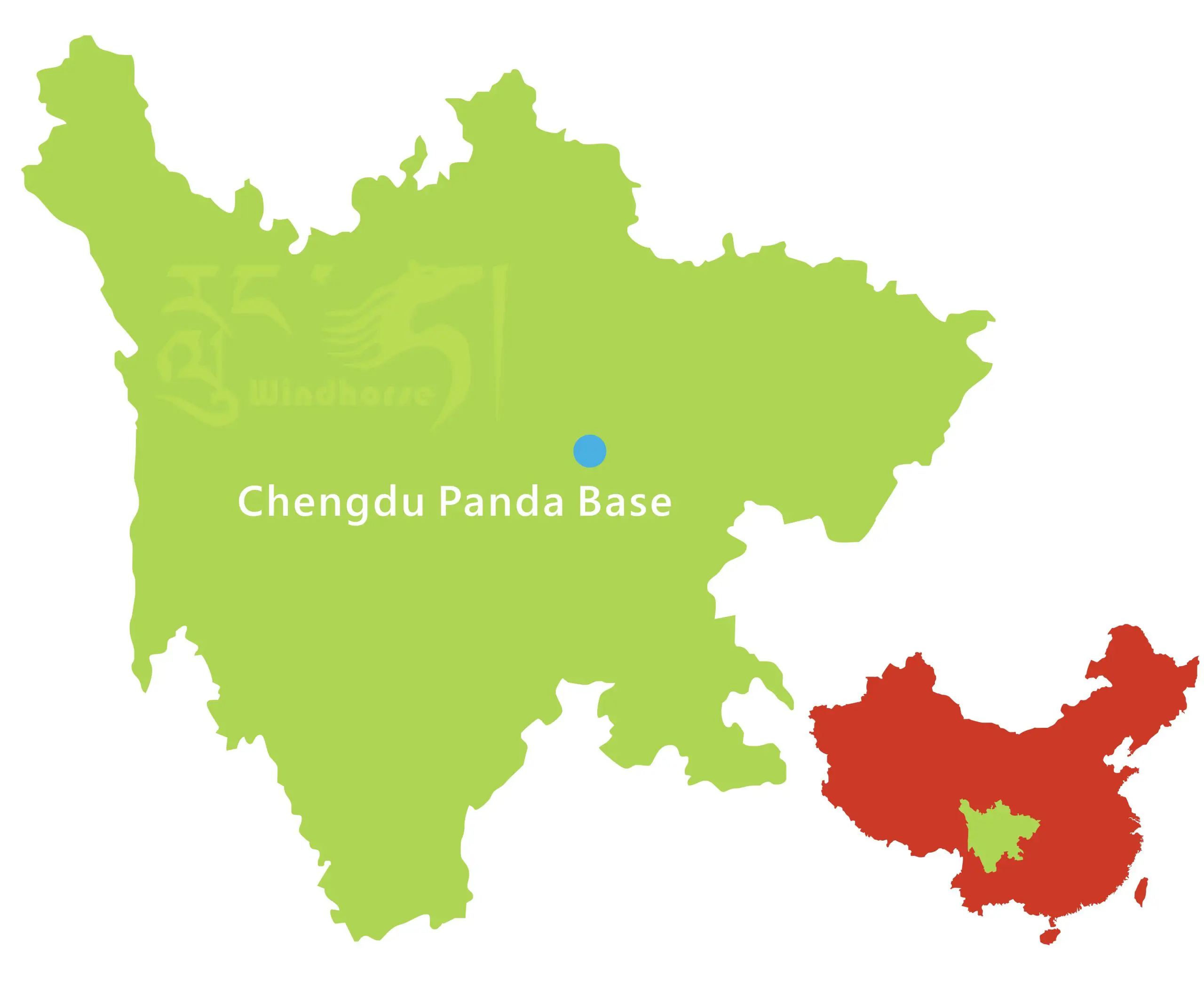
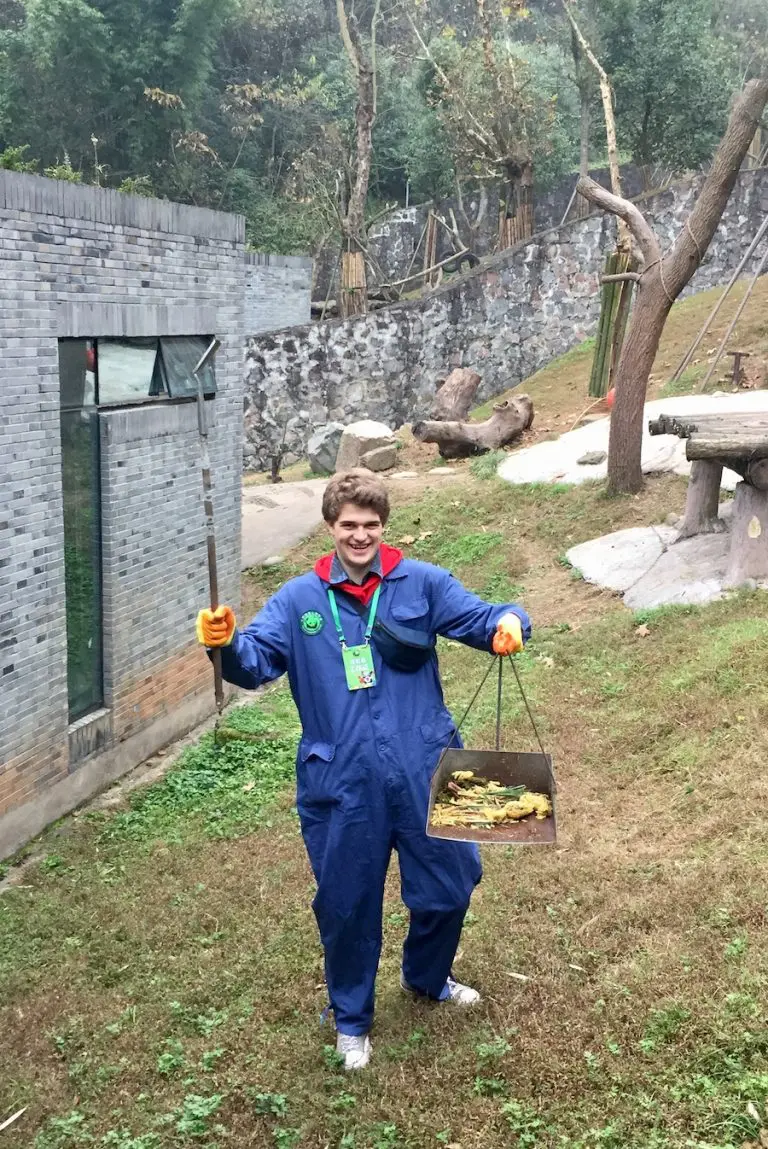
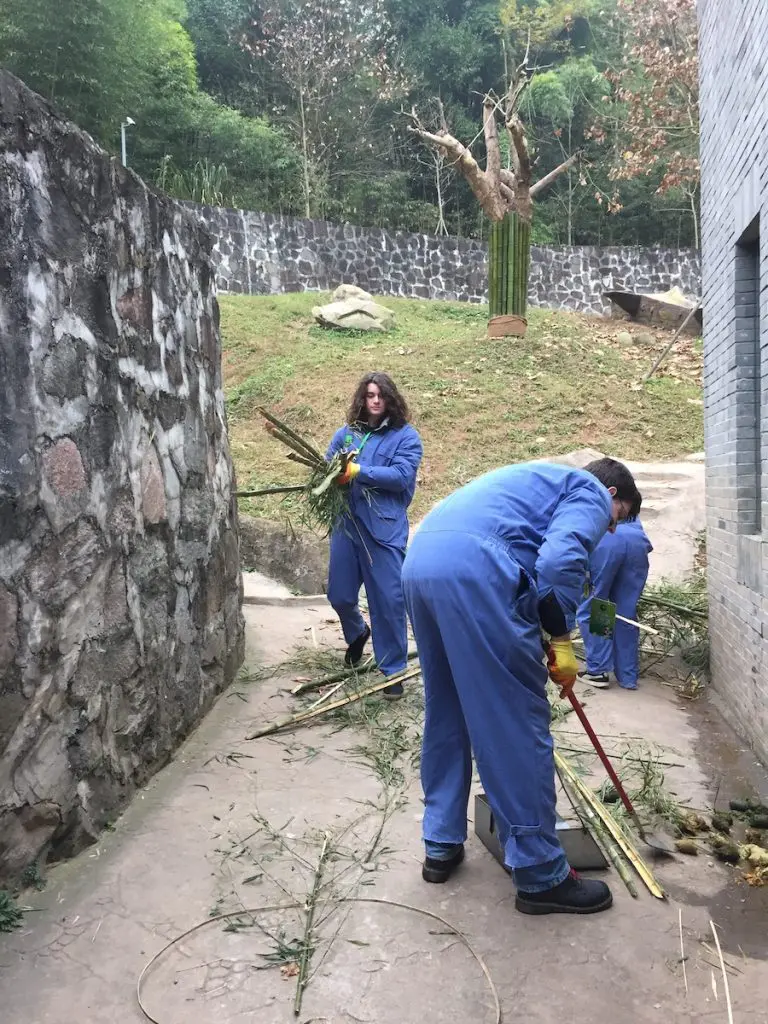

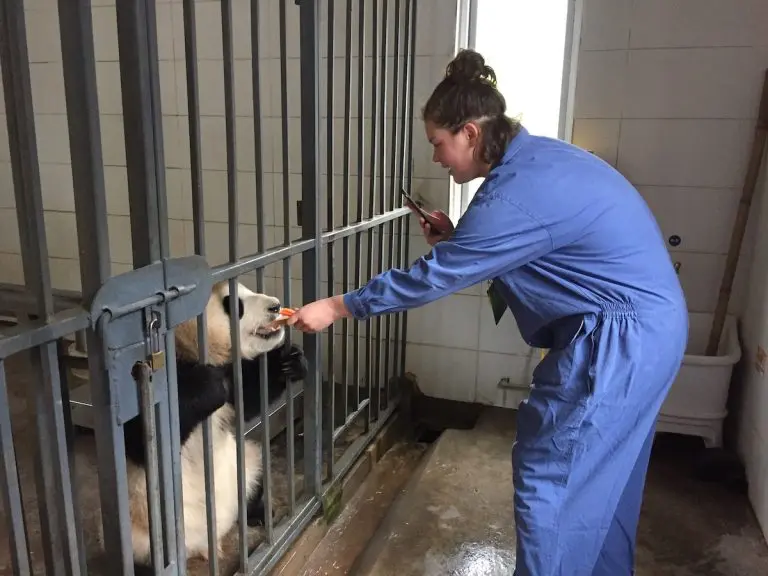
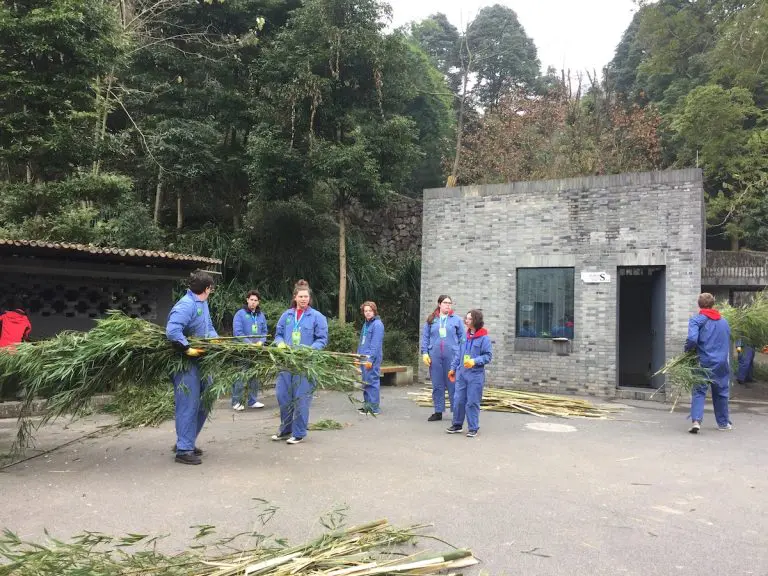
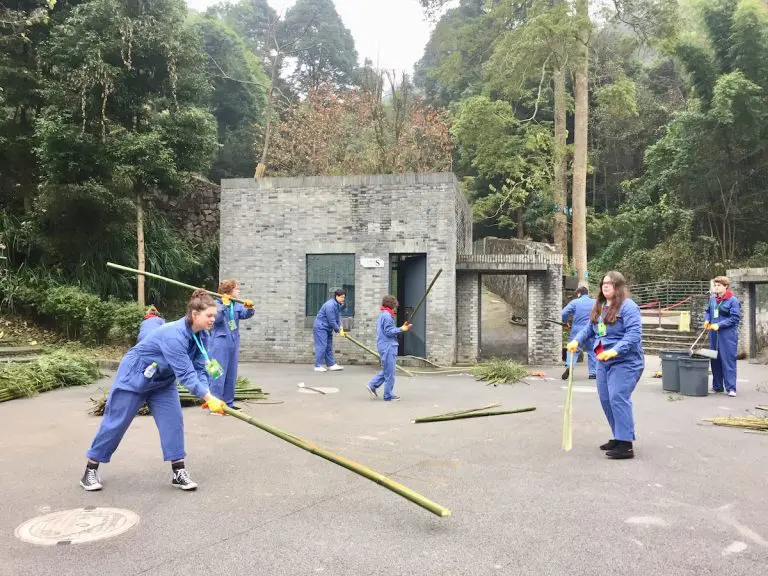
Have a Chengdu Panda Tour and enjoy the panda volunteering experience to get up close to the pride of China. Visit Pandas in China and help care for, enjoy interacting with adult panda, see the pandas' daily life in Chengdu.
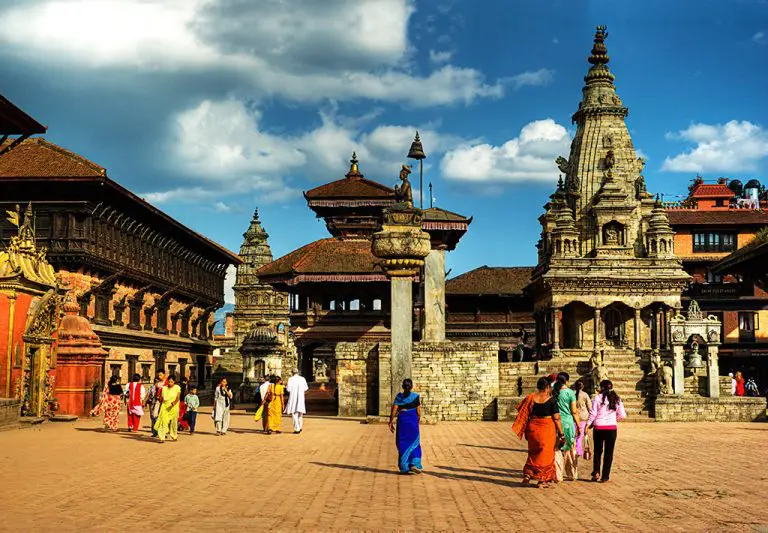
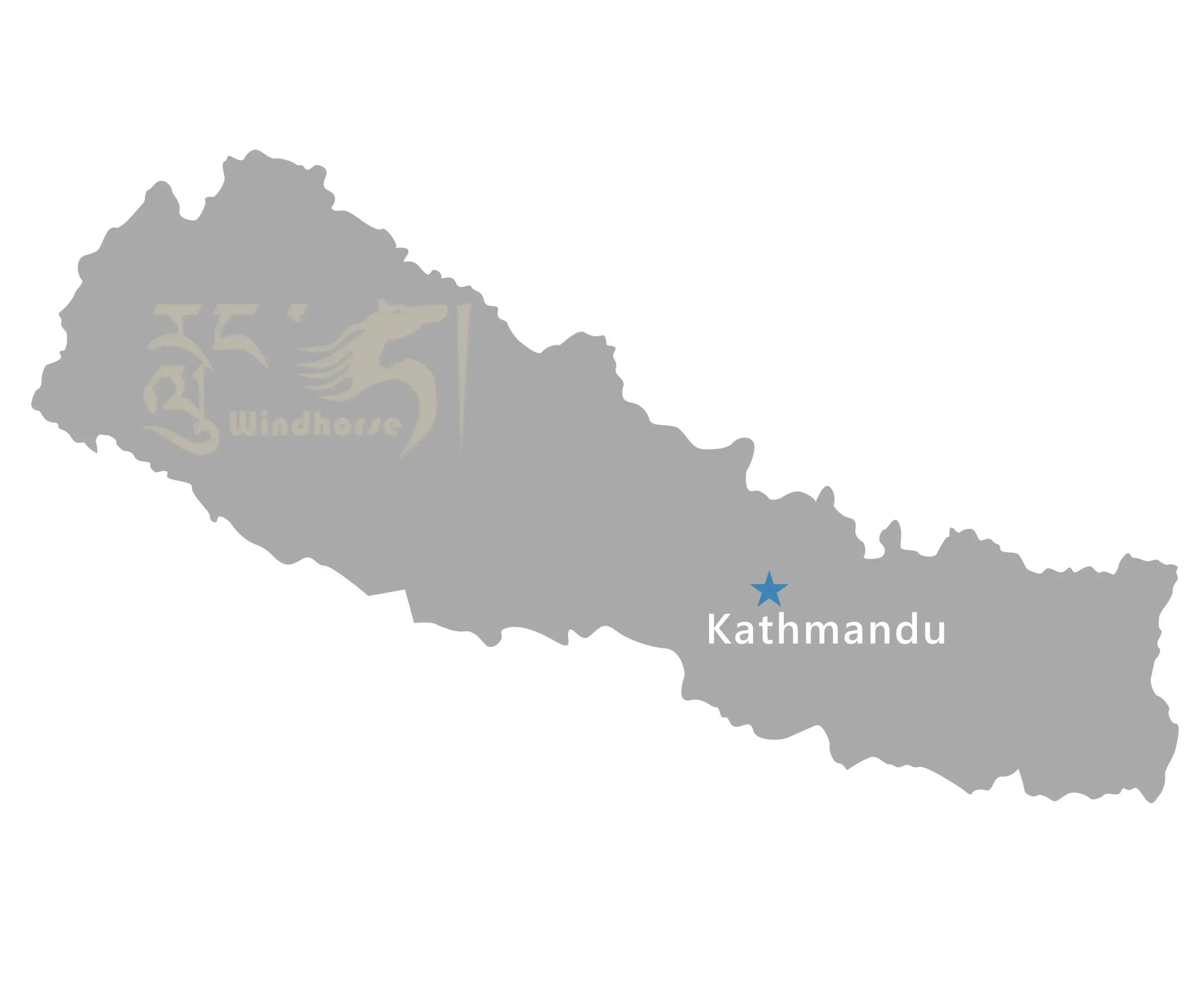
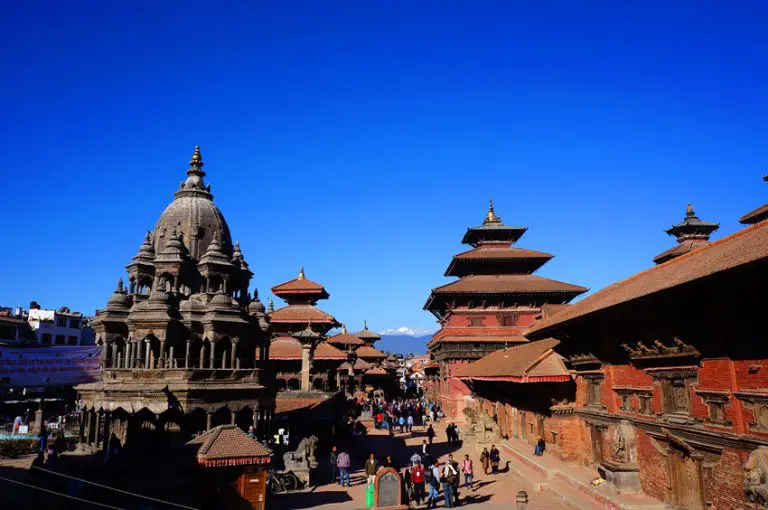
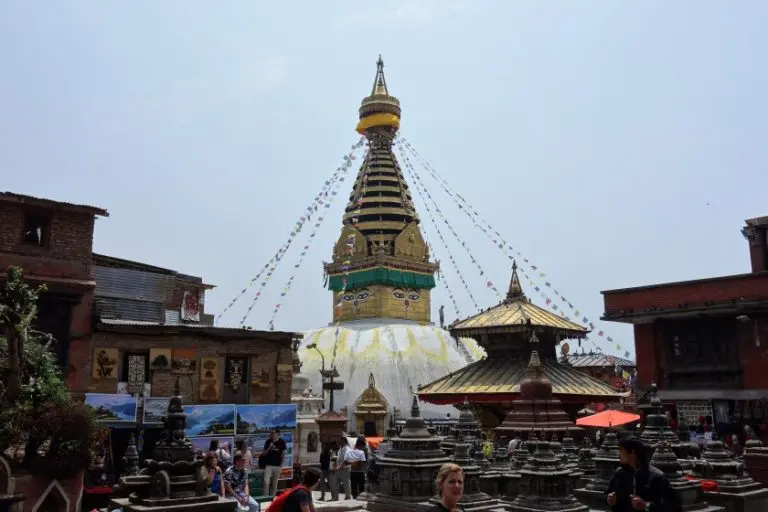
Explore central Nepal with visits to 3 medieval kingdoms remains. Explore ancient temples, religious shrines and culture as you drive east from Katmandu to the ancient city Bhaktapur. A palace known for its unique style and pottery handcrafts.