
Top things to do on China Silk Road
The Silk Road was the legendary trade route that connected China with Central Asia and the West for more than a thousand years, beginning as early as the Han Dynasty. More than just a road, it was a cultural crossroads where merchants, monks, and explorers exchanged goods, religions, and traditions that shaped civilizations.
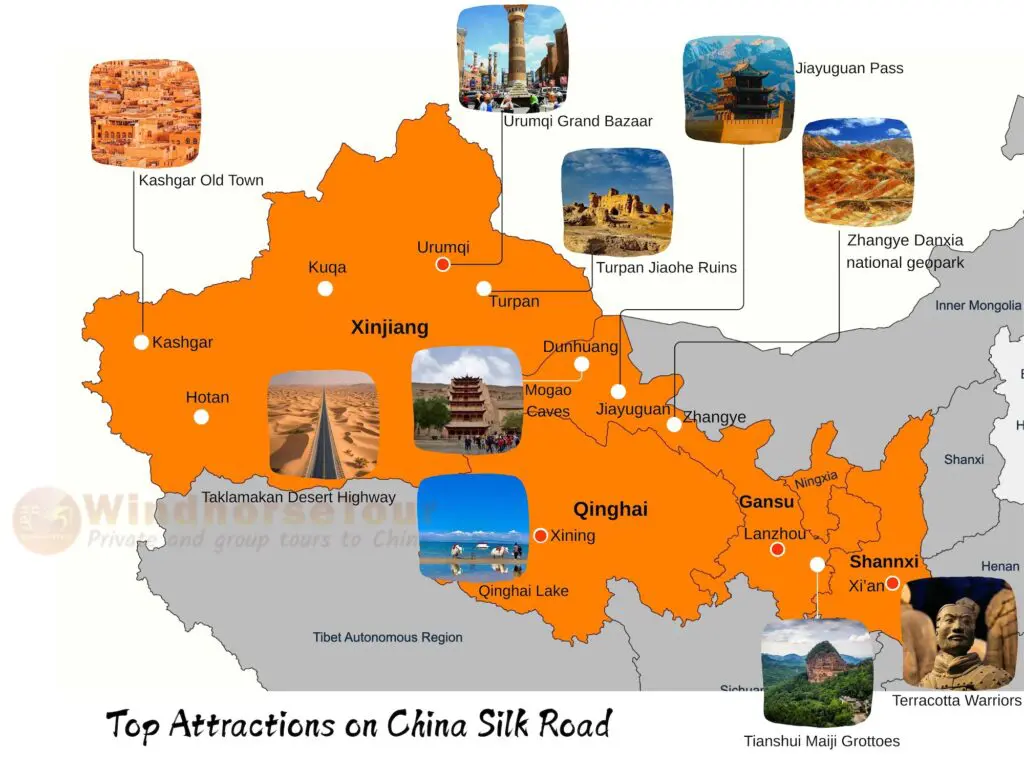
In China, the Silk Road traditionally started in Xi’an (Shaanxi Province), the ancient capital, and stretched westward through the Hexi Corridor in Gansu, across the Ningxia plains, and into the highlands of Qinghai. From there, it entered Xinjiang, passing through famous oasis towns such as Turpan, Kuqa, Hotan, and Kashgar before continuing into Central Asia. Along the way, travelers crossed deserts like the Taklamakan and mountain ranges including the Tianshan and Pamirs, encountering diverse cultures and breathtaking landscapes..
Today, a China Silk Road tour is like stepping back in time and offering a chance to uncover history, experience diverse cultures, and admire breathtaking landscapes. From Buddhist grottoes and rainbow-colored mountains to desert camel rides and lively bazaars, the Silk Road promises unforgettable adventures.
With nearly two decades of experience operating cultural and adventure tours across China, WindhorseTour brings this legendary route to life for our travelers. Our local expertise ensures you don’t just visit the famous landmarks, you also discover the hidden stories, traditions, and communities that make the Silk Road extraordinary.
Here are the top 10 things to do and see on the Silk Road in China.
1) Xi’an – The Ancient Capital & Starting Point of the Silk Road
Located in central-northwest China, Xi’an is often considered the cradle of Chinese civilization in the Yellow River Basin area, with a history spanning over 3,000 years and more than 1,100 years as the capital of multiple dynasties. As the eastern starting point of the Silk Road, it was a hub of trade, culture, and diplomacy that connected China to the wider world. Today, Xi’an remains one of the country’s most fascinating cities, blending deep history with vibrant modern life.
The Terracotta Army: The world-famous army of life-sized terracotta warriors and horses, built to guard the tomb of China’s first emperor, Qin Shi Huang. Discovered in 1974, this archaeological wonder is considered one of the greatest cultural treasures of the 20th century.
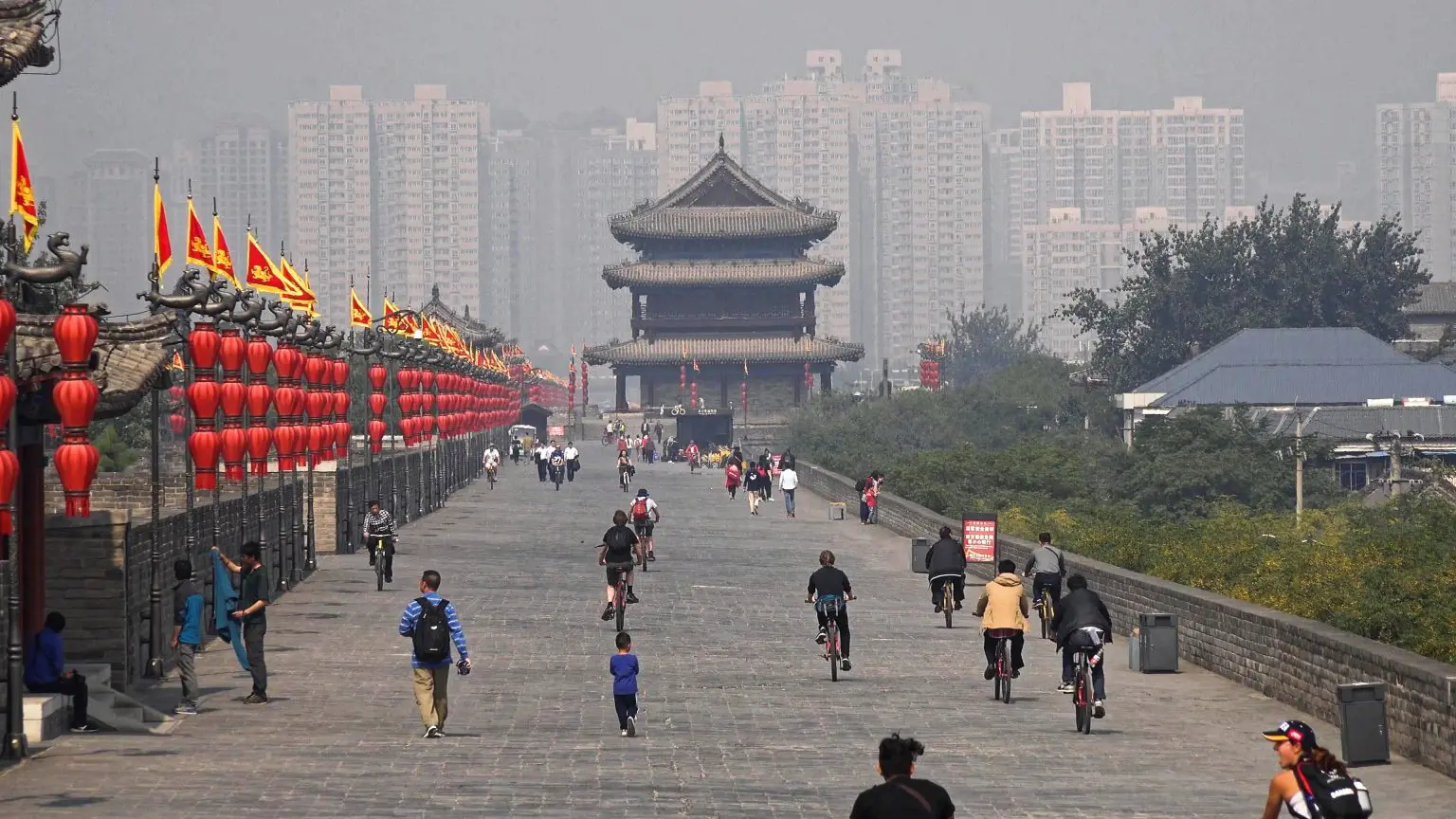
Xi’an Ancient City Wall: Walk or cycle along the best-preserved Ming-era city wall in China, offering panoramic views of the old and new city. It’s one of the most iconic ways to experience Xi’an’s historic heart.
The Muslim Quarter: A lively maze of food stalls, markets, and narrow lanes where traders from the Silk Road once gathered. Here you can sample local delicacies such as lamb kebabs and biangbiang noodles, shop for souvenirs, and visit the Great Mosque, a unique blend of Chinese and Islamic architecture.
With its unmatched cultural heritage and role as the gateway to the Silk Road, Xi’an is an essential first stop on any China Silk Road tour.
2) Maijishan Grottoes in Tianshui – Cliffside Buddhist Art
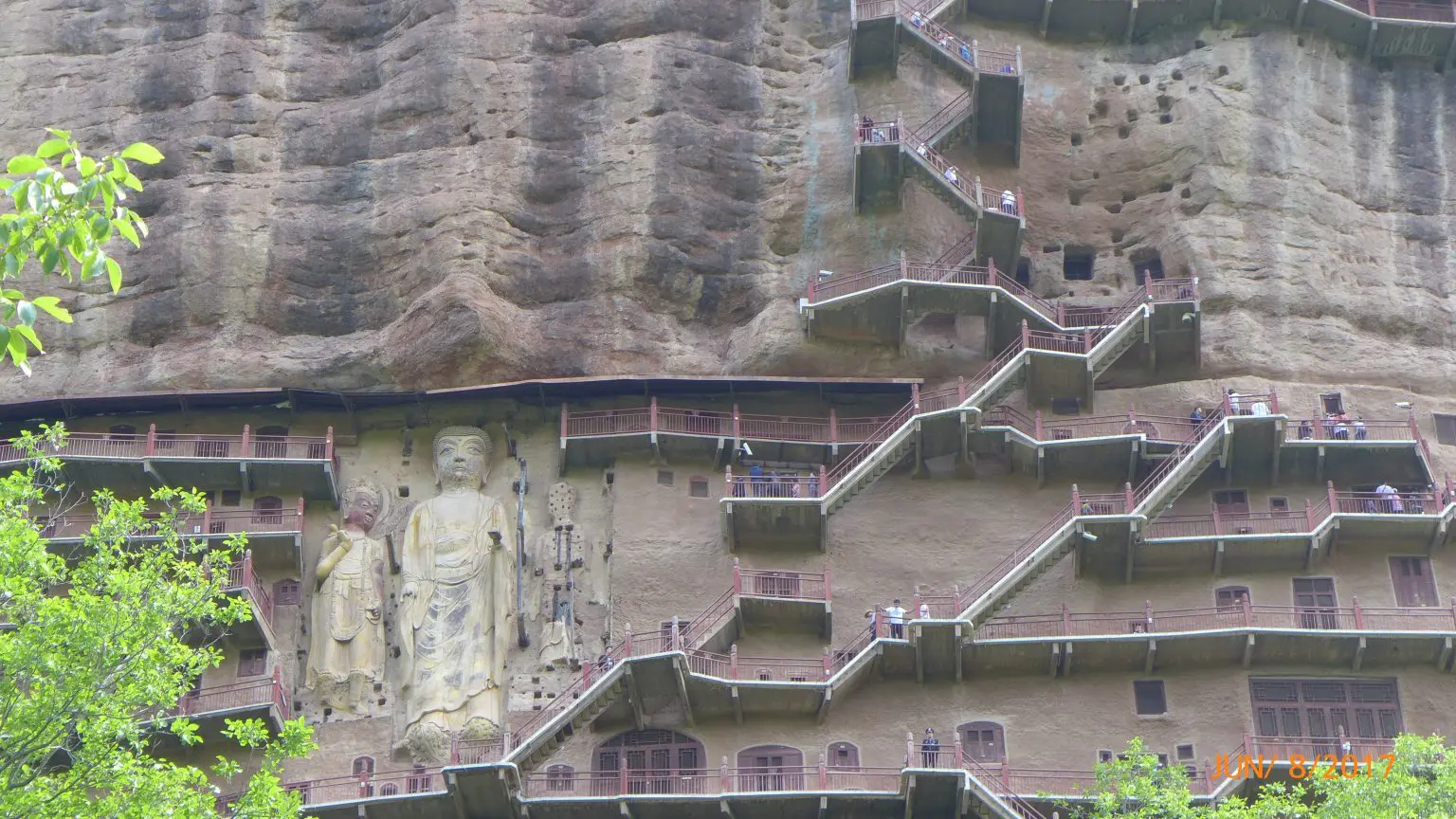
Near Tianshui in Gansu Province, the Maijishan Grottoes are among the most dramatic Buddhist cave complexes along the Silk Road. First carved in the 4th century, this site consists 194 caves, over 7,000 clay statues, and 1,000 square meters of murals created over the course of a millennium.
Built into a towering purplish-red sandstone cliff, Maijishan is nicknamed “Wheat Stack Mountain” for its unique shape. The grottoes are connected by wooden plank walkways that cling to the cliff face, leading visitors into caves filled with lifelike clay figures whose delicate expressions reflect both Chinese and Central Asian artistic styles. The murals inside trace the evolution of Buddhist art, showing how ideas and influences traveled along the Silk Road.
With its breathtaking cliffside setting and rich artistic legacy, Maijishan Grottoes is often called the “Oriental Sculpture Museum” and remains a must-see stop on any Silk Road journey through Gansu.
3) Lanzhou – Gateway on the Silk Road
As a key waypoint on the ancient Silk Road, Lanzhou has been a hub of trade and culture for centuries. Today, it remains an essential stop on any China Silk Road tour, with easy train connections west to Xining, North to Dunhuang, or south into Gansu’s grasslands, where Tibetan monasteries rise above the wide-open steppe.
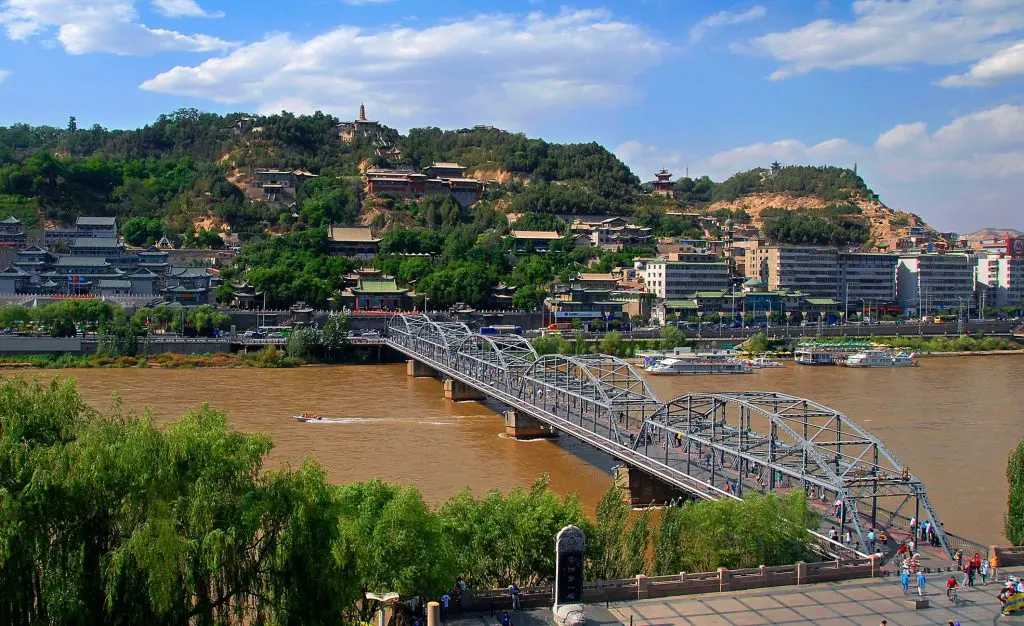
While in Lanzhou, don’t miss the chance to savor a steaming bowl of Lanzhou beef noodles, world-famous for their hand-pulled strands and flavorful broth, a dish that perfectly captures the region’s culinary heritage. Another highlight is the Zhongshan Bridge, the “First Bridge over the Yellow River.” Built more than a century ago, this historic iron bridge symbolizes Lanzhou’s role as a strategic crossing point and offers sweeping views of the river and skyline.
The city also serves as a gateway to memorable excursions. A popular day trip takes you to the Bingling Grottoes, a series of Buddhist cave temples carved into cliffs along the Yellow River and accessible only by boat. For deeper cultural immersion, many travelers head to Xiahe for 2–3 days, exploring vast grasslands and the impressive Labrang Monastery, one of the most important centers of Tibetan Buddhism outside Tibet.
4). Zhangye Danxia National Geopark
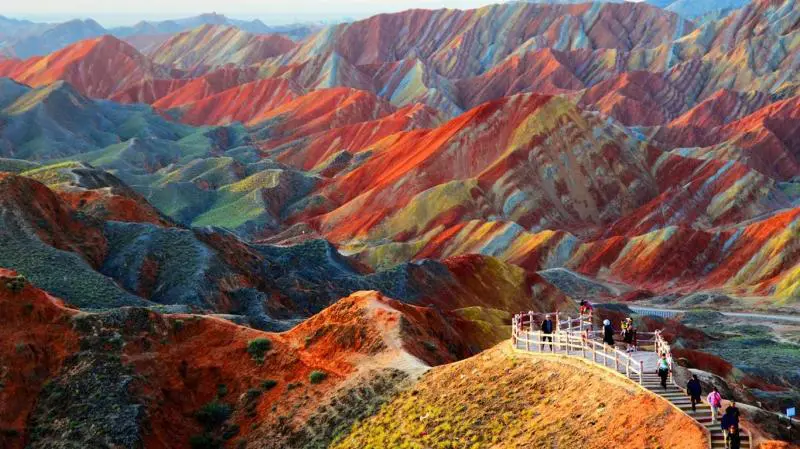
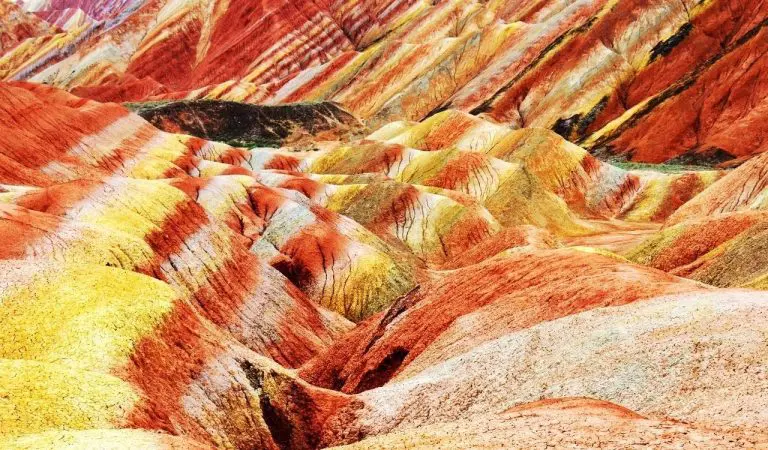
In the heart of Gansu Province, Zhangye Danxia National Geopark is home to the world-famous Rainbow Mountains of China, is one of the most spectacular natural wonders along the Silk Road. Over millions of years, layers of sandstone and siltstone rich in iron and other minerals were uplifted and eroded, creating brilliant bands of red, orange, and yellow that ripple across the hillsides like brushstrokes on a vast canvas.
At sunrise and sunset, the colors glow even more vividly, making the Rainbow Mountains a dream destination for photographers and nature lovers alike. While in Zhangye, you can also visit the Giant Buddha Temple, home to China’s largest reclining Buddha at 34.5 meters in length, to round out your journey with a touch of cultural heritage.
Travel Tip: Shuttle buses run between several viewing platforms in the geopark. Plan to visit early in the morning or late in the afternoon for the best light and fewer crowds, especially at sunset, when the colors appear most vivid. For sunrise, Platform 1 is an easy choice, while Platforms 4 and 5 also offer great panoramic views, and for sunset, Platform 4 offers the best panoramas of the glowing red and orange hills.
5). Jiayuguan Pass – The Westernmost End of Great Wall
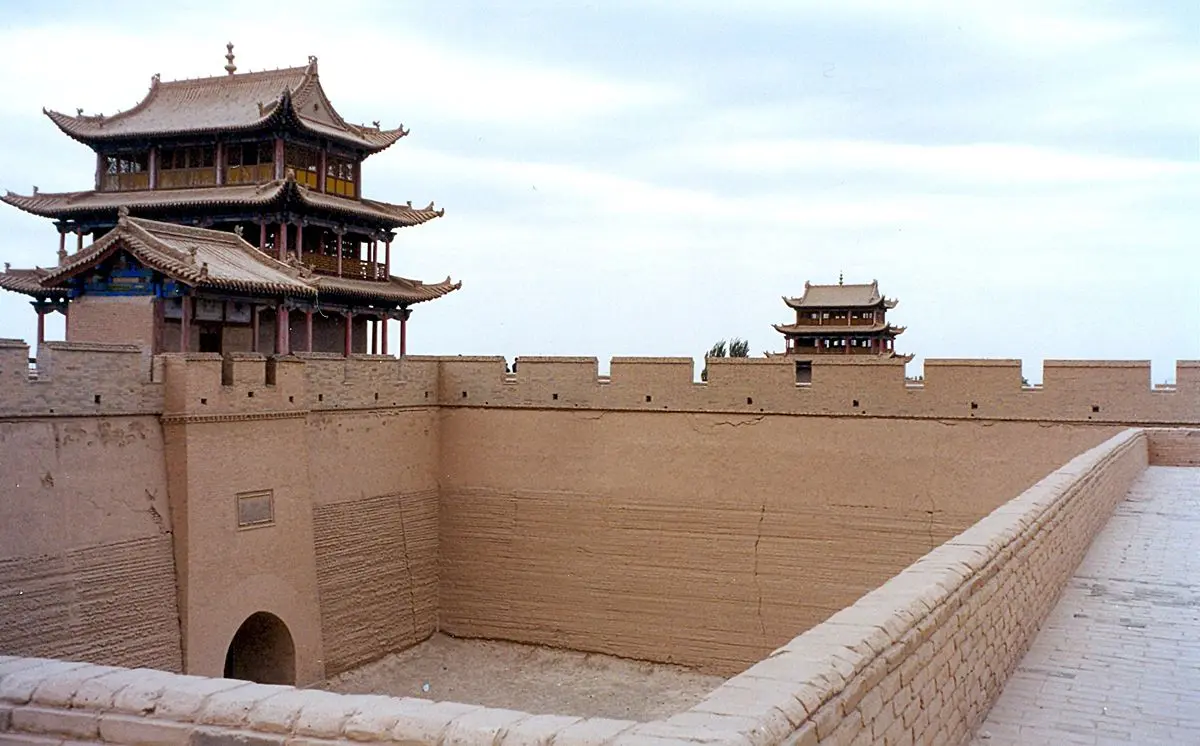
Marking the westernmost end of the Ming Dynasty Great Wall, Jiayuguan Pass is one of the most iconic sites on the Silk Road. Built in the 14th century, this massive fortress was the final frontier of imperial China and a essential gateway for merchants, soldiers, and envoys heading west. With its towering gates, solid ramparts, and desert backdrop, it remains one of the best-preserved and most atmospheric section along the Great Wall.
Beyond the main fortress, Jiayuguan offers more to explore. The Overhanging Great Wall, a short but steep reconstructed stretch perched along a mountain ridge, rewards visitors with sweeping views of the fortress and the Gobi Desert. Nearby, the Weijin Tombs, often called the “underground art gallery,” contain colorful murals from the 3rd–5th centuries that vividly capture scenes of daily life along the Silk Road..
6) Mogao Caves, Dunhuang – The Caves of a Thousand Buddhas
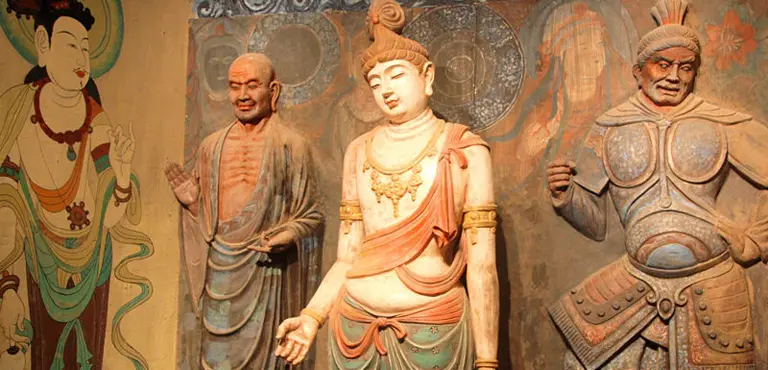
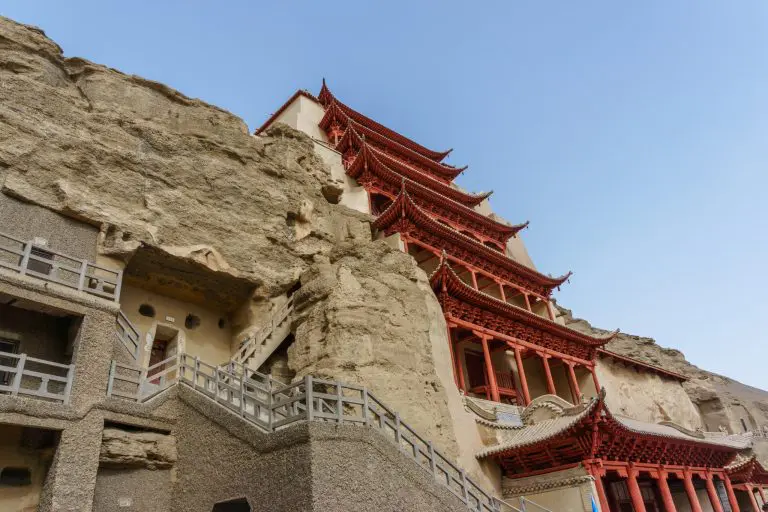
About 25 km southeast of Dunhuang, the Mogao Caves, also known as the “Caves of a Thousand Buddhas”, are one of the greatest treasures of Buddhist art in the world. Carved into the cliffs of the Singing Sand Mountains, the site includes nearly 500 grottoes, filled with thousands of murals and statues created between the 4th and 14th centuries.
Thanks to its location at a major crossroads on the Silk Road, Dunhuang became a thriving center for culture and religion. Merchants, monks, and travelers sponsored the creation of the caves, leaving behind a legacy that reflects both Chinese traditions and international influences. Together with the Longmen and Yungang Grottoes, Mogao is considered one of China’s three most important Buddhist cave sites and is listed as a UNESCO World Heritage Site..
Today, visitors can tour several of the best-preserved grottoes, where guides explain the stories behind the murals, sculptures, and the role Dunhuang played as a gateway between East and West. For anyone traveling the Silk Road, the Mogao Caves are a must-visit highlight.
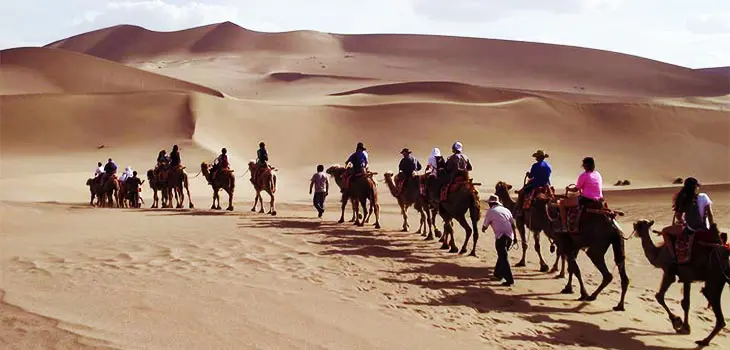
7) Camel Riding at Mingsha Mountain
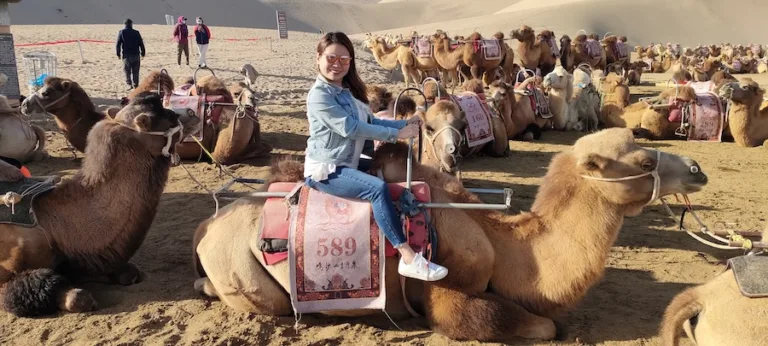
Just 15 minutes from Dunhuang, the Mingsha Sand Dunes, also known as the Singing Sand Dunes, are one of the most iconic sights along the Silk Road. The dunes get their name from the humming sound the sand makes when the wind blows or when people slide down the slopes.
The highlight here is a camel ride across the dunes, following the path of ancient Silk Road caravans toward Crescent Lake, a crescent-shaped oasis that has offered water and rest to travelers for centuries. The beautiful contrast of clear blue water against the golden desert makes this one of China’s most photographed landscapes. Beyond camel riding, you can also try sandboarding, ATV rides, or paragliding for a more adventurous experience.
Travel Tips: Visit at sunrise or sunset for the most vivid colors and cooler temperatures. Protect your camera and phone from fine sand with a bag or cover, and wear comfortable clothing, sturdy shoes, and sun protection. The camel ride is a classic experience, but expect queues in peak season and be ready for a bumpy, slow-paced journey.
8) Turpan – The Desert Oasis of Xinjiang
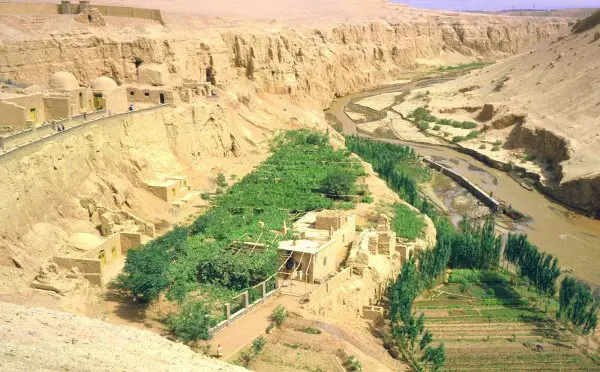
Situated about 154 meters below sea level in the Turpan Basin, Turpan is one of the hottest and driest places in China, yet it has flourished for centuries as a fertile oasis along the Silk Road. Once ruled by the ancient Jushi Kingdom before coming under Han Dynasty control in 107 BC, Turpan grew into an important trading hub where cultures and caravans converged. Today, it is known for its dramatic desert landscapes, ancient ruins, and unique irrigation system that made life here possible.
Highlights of Turpan include the Jiaohe Ancient City Ruins, one of the world’s best-preserved earthen cities, where you can walk among the remains of temples, houses, and streets of a garrison town that thrived more than 1,500 years ago. The ingenious Karez Irrigation System, a network of underground channels that carried mountain water to the desert, is another must-see, showcasing the engineering brilliance that sustained the oasis.
Cultural landmarks include the Emin Minaret, the tallest minaret in China, built in the 18th century in elegant Uyghur style. Just outside the city, the Flaming Mountains glow red under the sun, creating one of Xinjiang’s most iconic landscapes. To experience authentic Uyghur culture, visit Tuyoq Village, a traditional Uyghur village in a valley of the Flaming Mountains. Here you can explore mud-brick homes, taste local food, and see living traditions that have been passed down for generations.
9) Kashgar – The Heart of Central Asian Culture
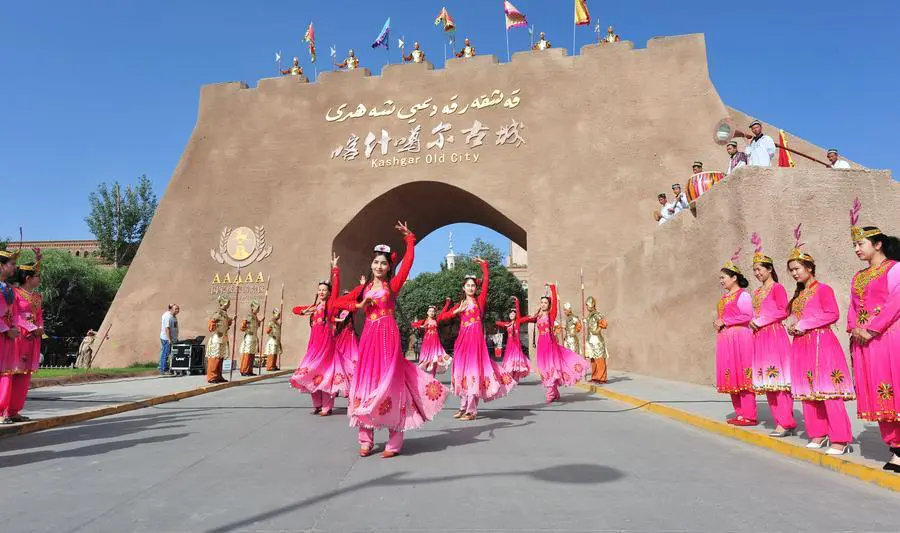
At the far western end of the Silk Road in China, Kashgar has stood as a cultural crossroads for more than 2,000 years. Close to the borders of Kyrgyzstan, Tajikistan, Pakistan, and Afghanistan, it was one of the Silk Road’s most important trading posts, where merchants from China, Central Asia, and the Middle East gathered to exchange goods, ideas, and traditions. Over the centuries, Kashgar absorbed influences from Chinese, Turkic, Mongol, and Tibetan cultures, creating a unique blend that remains vibrant today.
The Kashgar Old City is the best place to experience this living heritage, with its maze of narrow alleys, traditional Uyghur homes, and artisan workshops. At its heart stands the Id Kah Mosque, China’s largest mosque and an enduring center of Islamic culture. On Sundays, the famous Kashgar Sunday Grand Bazaar attracts traders and visitors from across Xinjiang and beyond, offering everything from spices and silks to carpets, handicrafts, and livestock. Another must-see is the Afaq Khoja Mausoleum, a beautifully tiled Islamic complex that also houses the tomb of the legendary “Fragrant Concubine.”
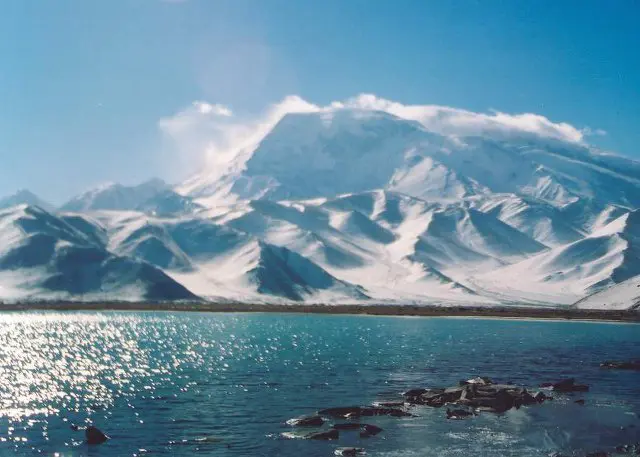
For travelers with more time, Kashgar is also the starting point for a 2–3 day excursion to Karakul Lake and Tashkurgan along the Karakoram Highway. Karakul Lake, framed by the snow-capped Muztagh Ata, is one of Xinjiang’s most beautiful alpine landscapes, while Tashkurgan introduces you to the culture of the Tajik ethnic minority and its ancient Stone Fort.
Kashgar is the last city in China where you can continue west into Central Asia, making it the perfect gateway for travelers who want to extend their Silk Road journey into Kyrgyzstan, Uzbekistan, or beyond.
10) Qinghai Lake – China’s Largest Saltwater Lake
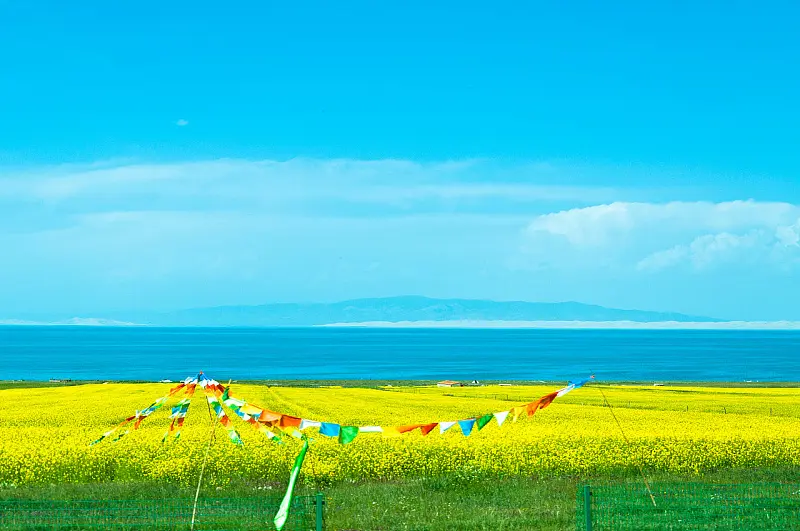
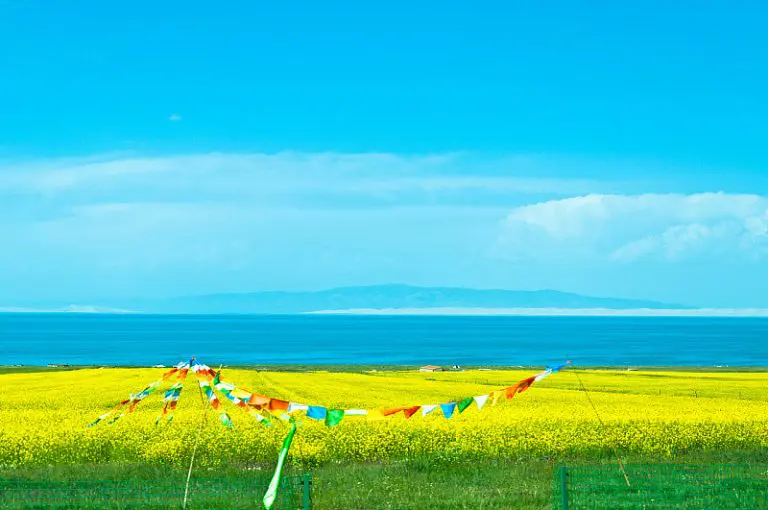
On the way west along the Silk Road, Qinghai Lake is a breathtaking natural stop. Surrounded by snow-capped mountains and vast grasslands, it is China’s largest saltwater lake and a sacred place for Tibetans and Mongols who live in the region. The scenery changes with the seasons: in summer, fields of bright rapeseed flowers bloom around the turquoise waters, while migrating birds flock to the lake’s wetlands.
Beyond its beauty, Qinghai Lake was also an important waypoint on the ancient Silk Road, linking trade routes that passed through Xining into Gansu and beyond. Today, visitors can cycle around part of the lake, take a boat ride, or visit nearby Tibetan monasteries to experience the area’s unique culture.
Travel Tip: The best time to visit is from June to August, when wildflowers are in bloom and the weather is pleasant. Since the lake sits at over 3,000 meters (9,800 ft) above sea level, take it slow and stay hydrated to adjust to the altitude.
Conclusion
From the ancient capital of Xi’an to the bazaars of Kashgar, the China Silk Road offers a journey through more than 2000 years of history and culture. Along the way, you will encounter Buddhist grottoes, rainbow-colored mountains, desert oases, and bustling markets. Each stop tells a story of exchange and connection that once linked China with Central Asia and beyond.
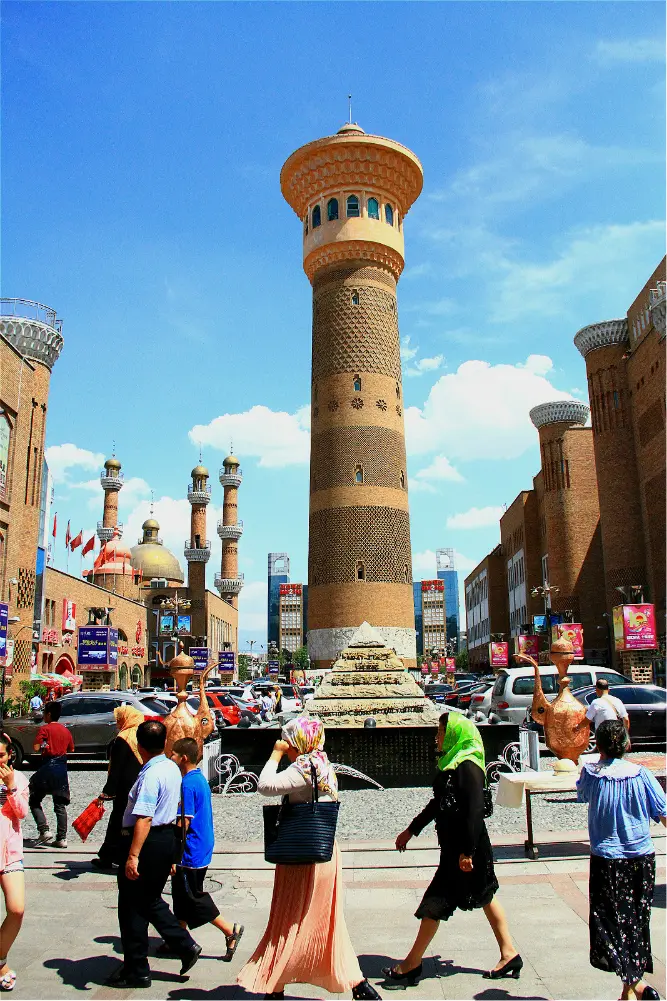
The 10 highlights above are among the most iconic experiences, but they are only the beginning. Exploring the frontier outposts of Yumen and Yangguan Passes, shopping at Urumqi’s International Grand Bazaar, or driving the desert highway from Kuqa to Hotan and more adds even more depth to your Silk Road adventure.
At WindhorseTour, we design tailor-made Silk Road tours that combine must-see highlights with hidden gems, matched to your interests and travel style. With our local expertise, trusted guides, and carefully arranged travel services, we ensure your Silk Road journey is as enriching and memorable as the route itself.
Related tours
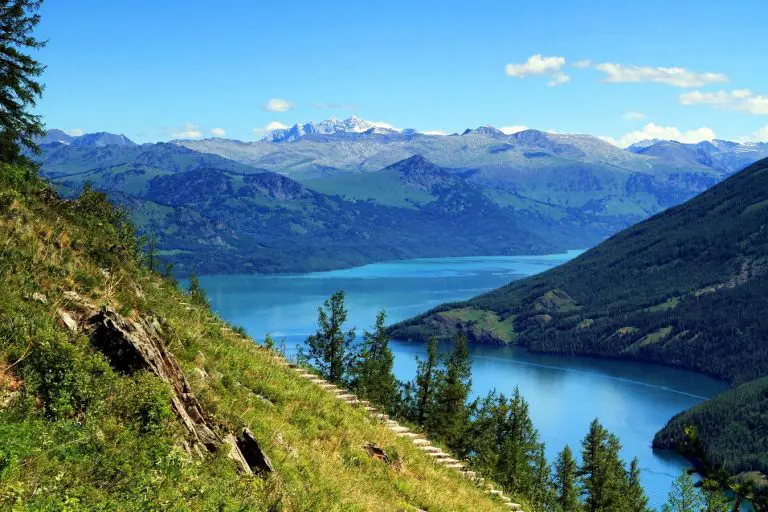
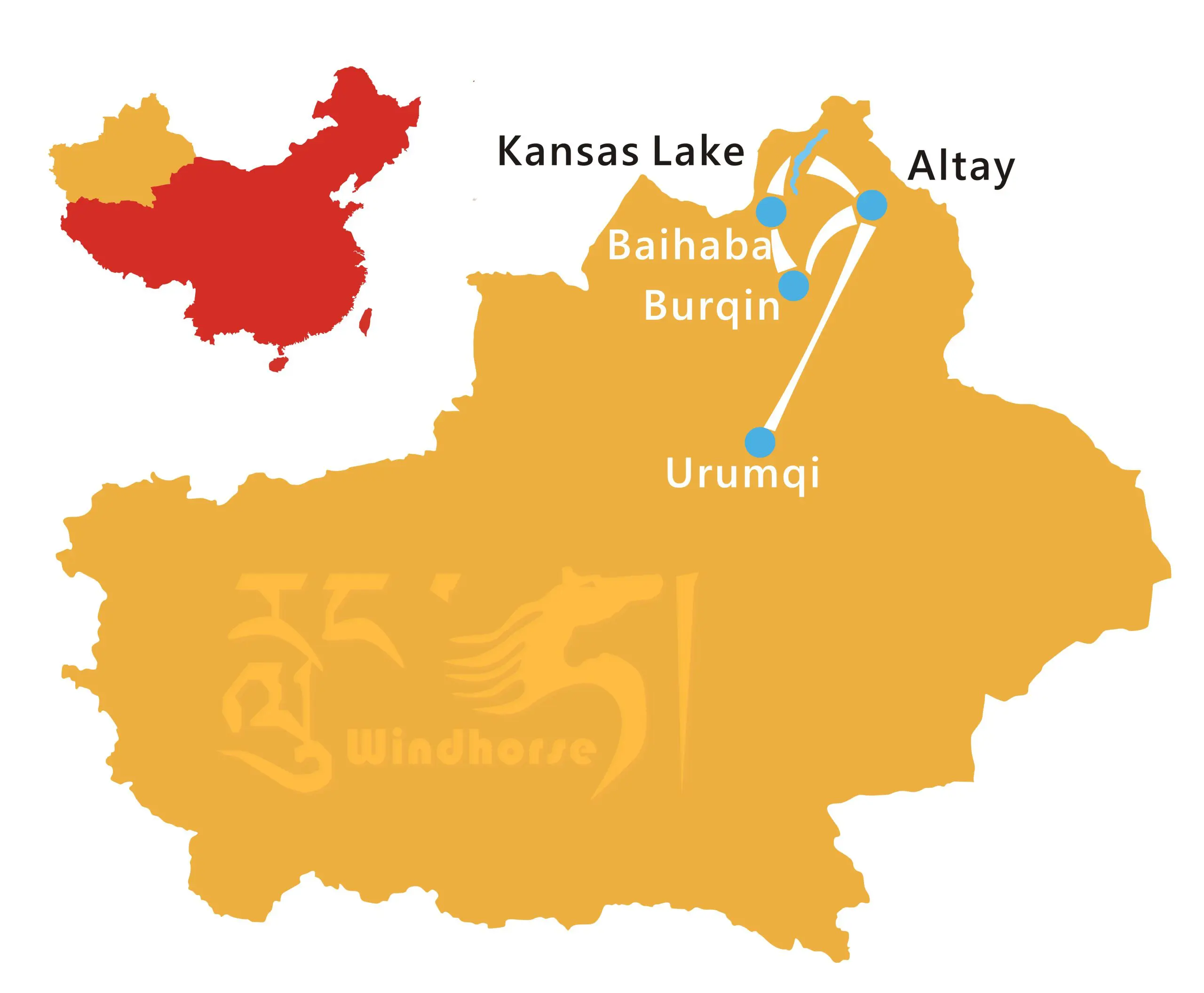
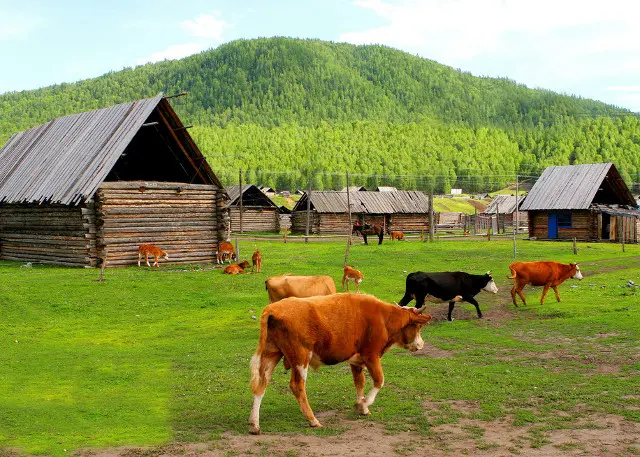
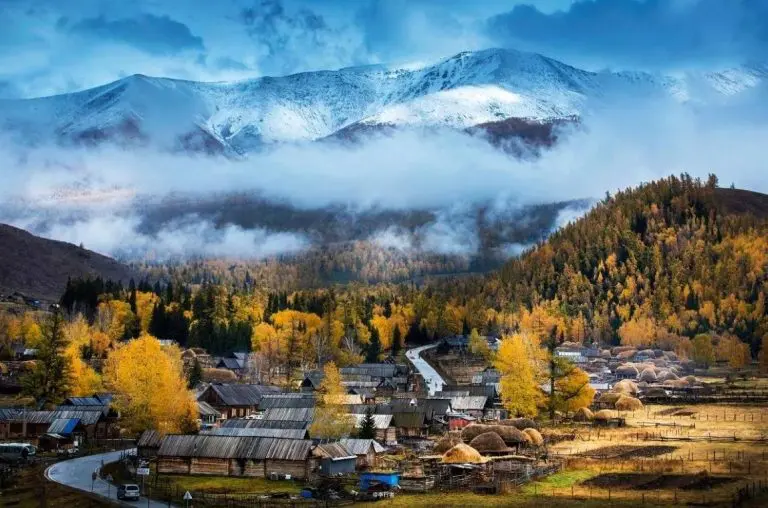
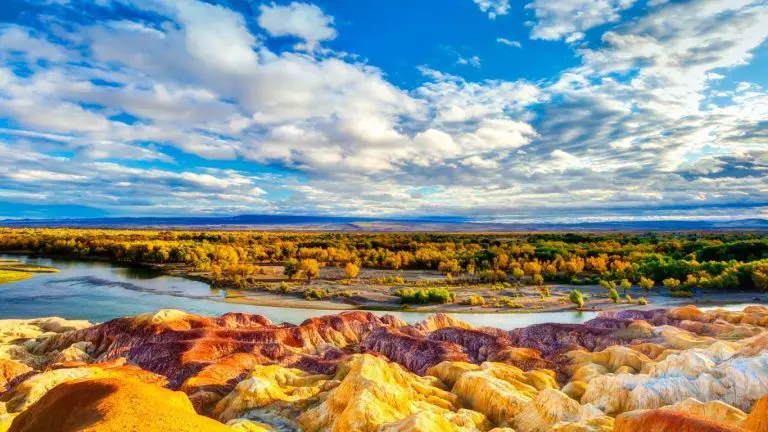
This Kanas Lake trekking tour leads you through Northern Xinjiang’s most scenic trails. Trek from Jiadengyu to Hemu Village, then to Kanas Lake across forests, rivers, alpine meadows, and panoramic ridges while experiencing Tuwa culture and the region’s famous turquoise lake.
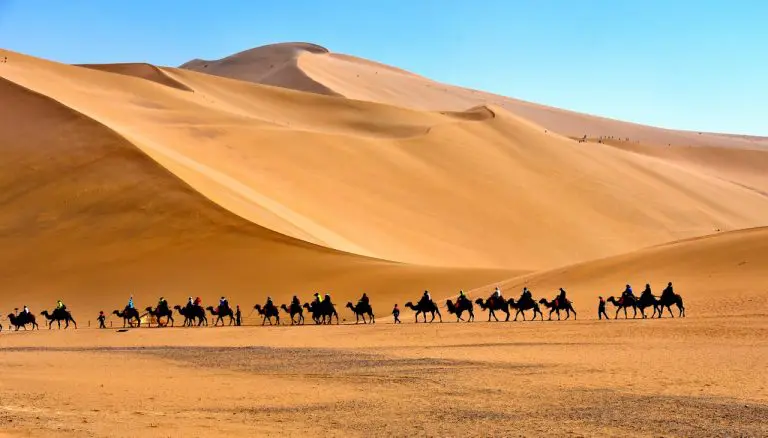
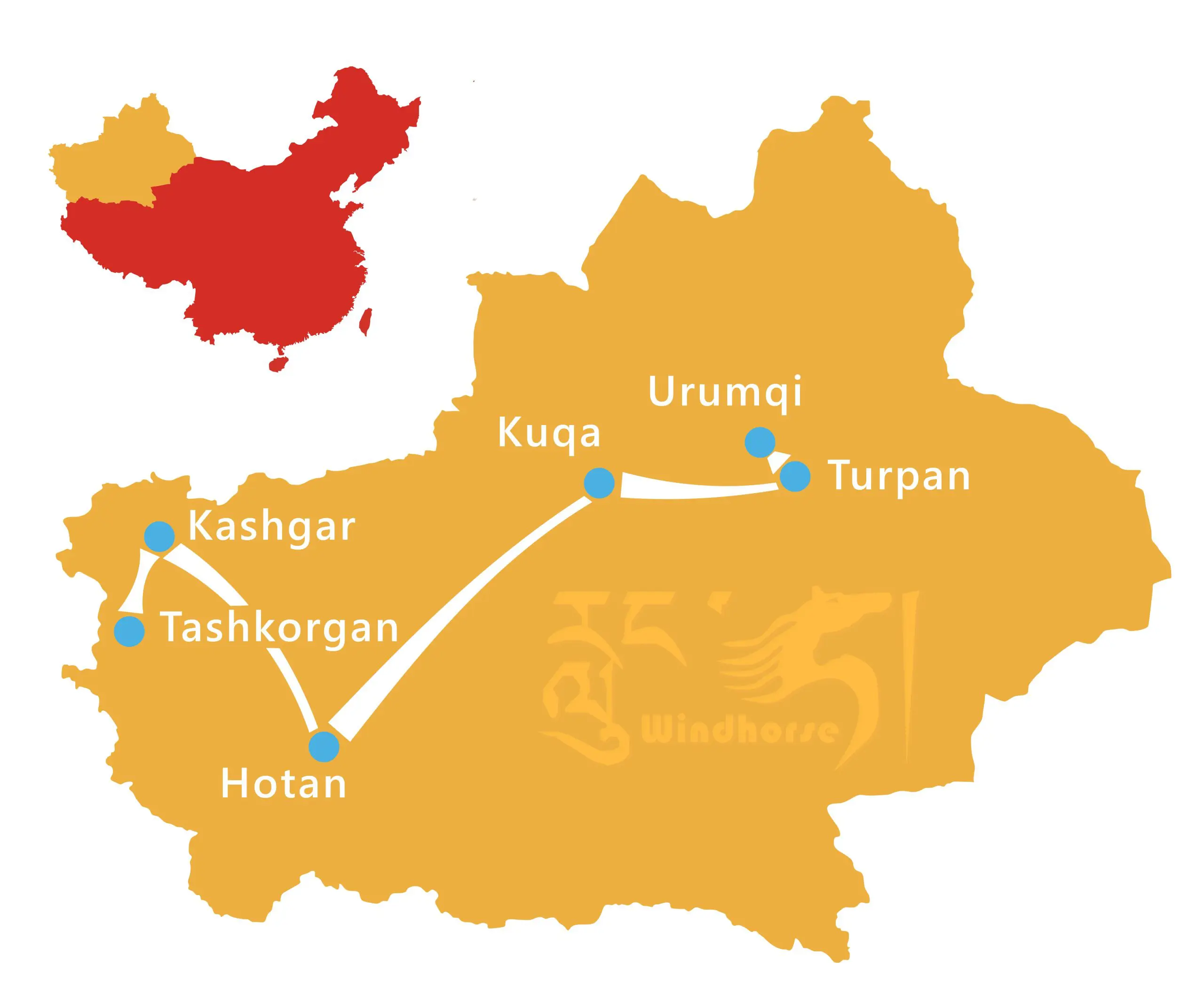
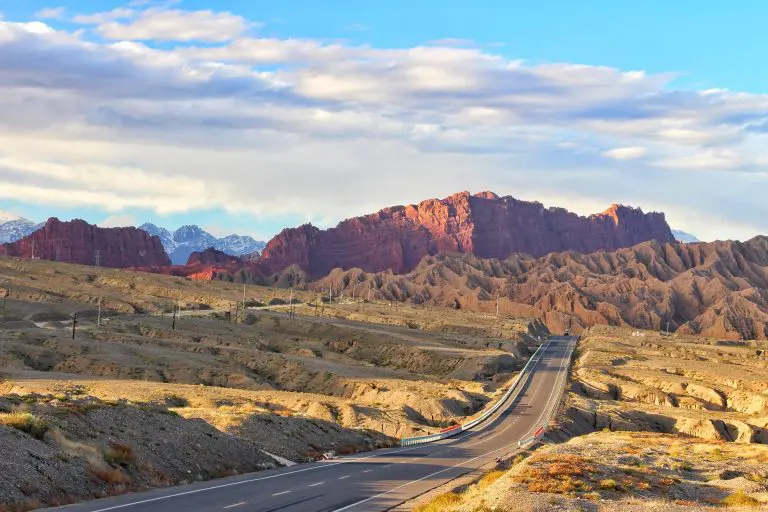
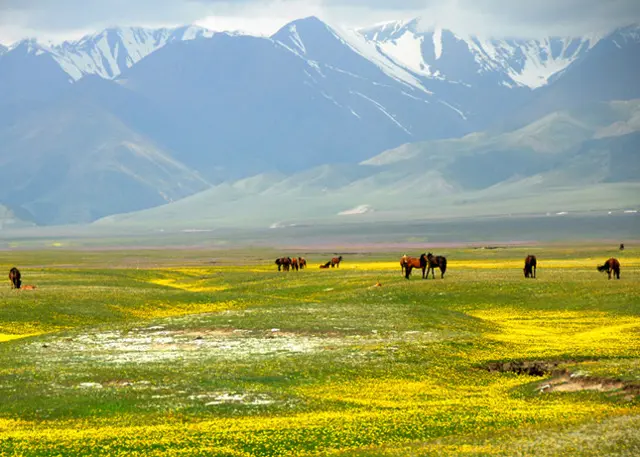
Explore Southern Xinjiang on a 12-day Urumqi to Kashgar tour. Cross the Taklamakan Desert, ride camels, camp under stars, and visit ancient Silk Road cities, Uyghur villages, and scenic highlands on this immersive desert highway journey.
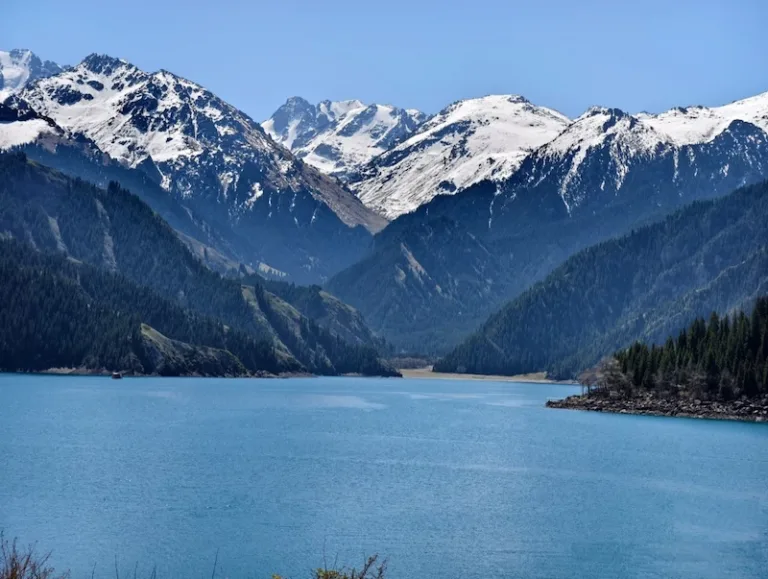
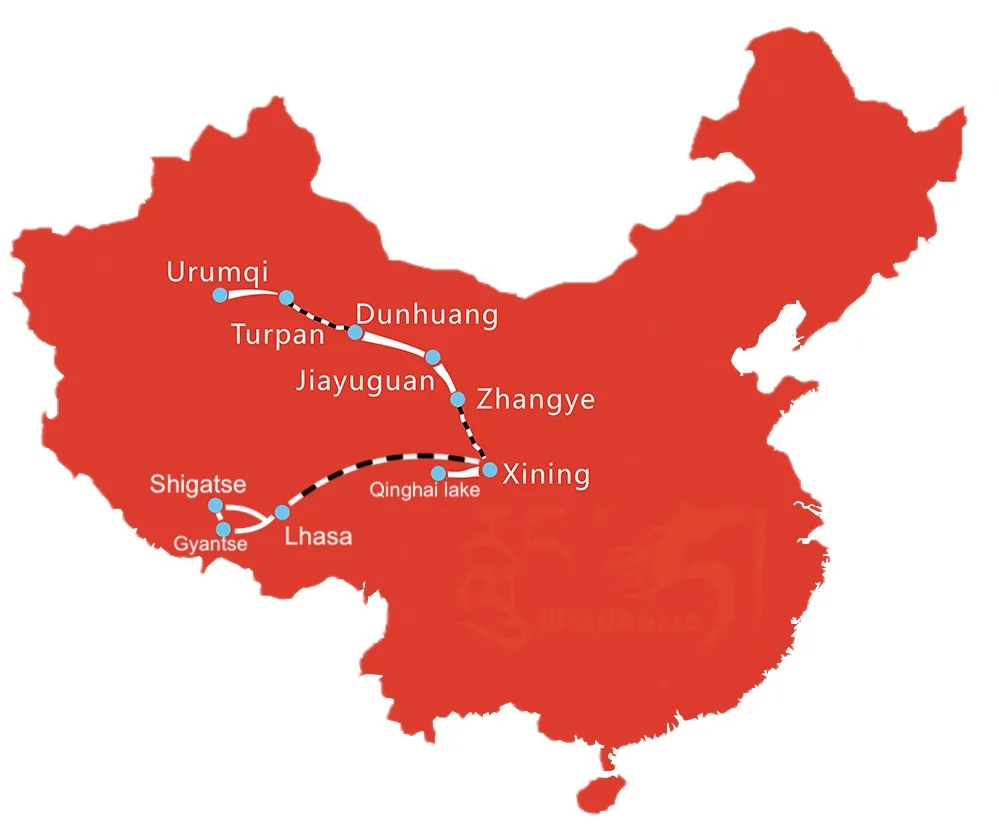

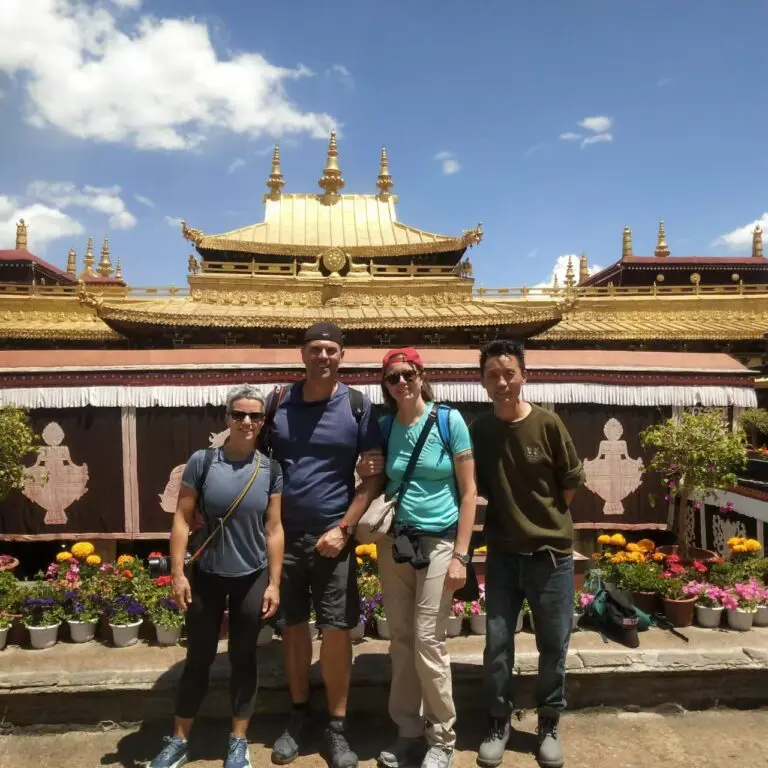
Travel from Urumqi to Lhasa on this 15-day Tibet & Silk Road tour, visiting Turpan, Dunhuang, Jiayuguan Pass, Zhangye Danxia, Xining, and Qinghai Lake before riding the Qinghai–Tibet Railway to explore Lhasa, Gyantse, and Shigatse.