
Famous Imperial Gardens In China – The Summer Palace And The Norbulingka

Imperial Gardens in China are more than just splendid green spaces; they are a profound representation of the country’s rich history, artistic heritage, and philosophical depth. Cultivated over centuries, these gardens were not merely intended for leisure but were designed to be a harmonious fusion of nature and architecture, reflecting the ancient Chinese ethos of living in balance with the natural world. Emperors and nobles took great pride in creating these gardens, which served as serene retreats and symbols of power and cultural refinement.
Among these exquisite imperial gardens, the Summer Palace in Beijing and the Norbulingka in Lhasa hold a unique allure for travelers from around the world.
For travelers, a visit to the Summer Palace and the Norbulingka is not just a visual delight; it’s an immersive journey into the depths of Chinese and Tibetan imperial history. These gardens offer a serene escape from the hustle of modern life and a chance to walk through living relics of a rich, ancient past. As you wander through these majestic gardens, each path and pavilion tells a story, inviting you to explore the legacy of emperors and gain a deeper understanding of China’s multifaceted culture.
You can catch a Tibet train from Beijing to Lhasa. The wonderful scenery on the way from Beijing to Tibet will be all in your eyes.
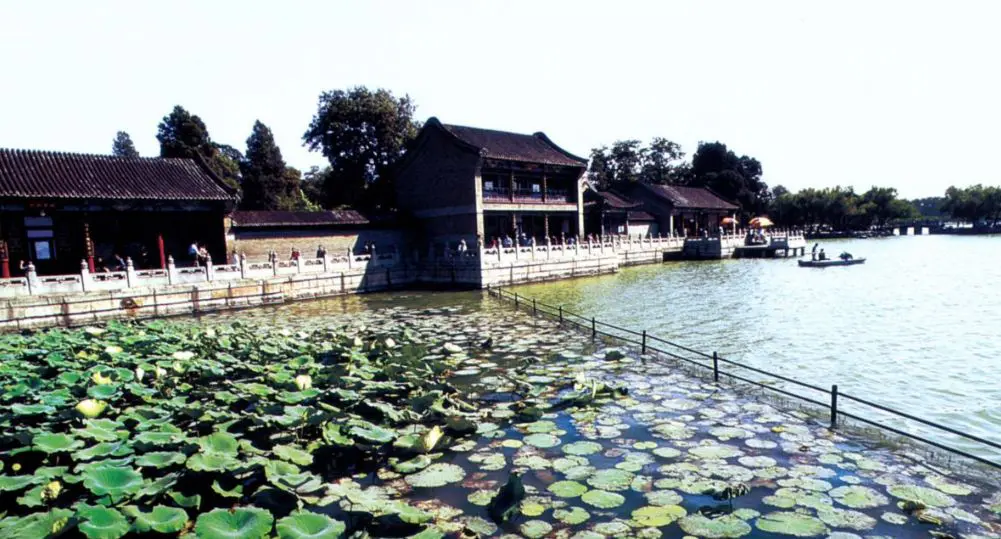
The Summer Palace, Beijing
Nestled in the heart of Beijing, the Summer Palace is an exquisite emblem of China’s historical grandeur and cultural elegance. Originally built in 1750 during the Qing Dynasty, it was used as a royal retreat for emperors to escape the summer heat of the Forbidden City. The Palace exemplifies the pinnacle of Chinese landscape garden design, harmoniously blending natural landscapes with artificial features to create a garden of ethereal beauty. Its importance is globally recognized, with UNESCO listing it as a World Heritage Site in 1998, citing it as “a masterpiece of Chinese landscape garden design.”
The Summer Palace is mainly dominated by Longevity Hill and the Kunming Lake. It covers an area of 3 sq. km. (about 1 sq. mi.) and 1/3 of the Summer Palace is under the water. Most of the building space features a variety of palaces, gardens, and other ancient-style architectural structures.
Longevity Hill, on the southern slope, is adorned with an ensemble of grand buildings such as the Cloud-Dispelling Hall, the Temple of Buddhist Virtue, and the Sea of Wisdom Temple. The Tower of Buddhist Incense (Fo Xiang Ge) is in the center of the Temple of Buddhist Virtue and also is the focal point for the buildings on the southern slope of Longevity Hill.
The natural beauty in the back hill can be in sharp contrast to the splendid halls and pavilions in the front hill. Having a full view of Kunming Lake, both near and far, you will find the glistening waters, the meandering banks, well-arranged islands, and a host of architectural structures in different styles can combine to present a wonderful view of the Summer Palace landscape.
Key Attractions
Kunming Lake
This vast, man-made lake, occupying over three-quarters of the Palace grounds, offers a tranquil escape and stunning views. Visitors can enjoy a leisurely boat ride or simply stroll along its banks.
Long Corridor
Stretching over 700 meters, this covered walkway is adorned with more than 14,000 intricate paintings depicting scenes from Chinese literature, mythology, and history.
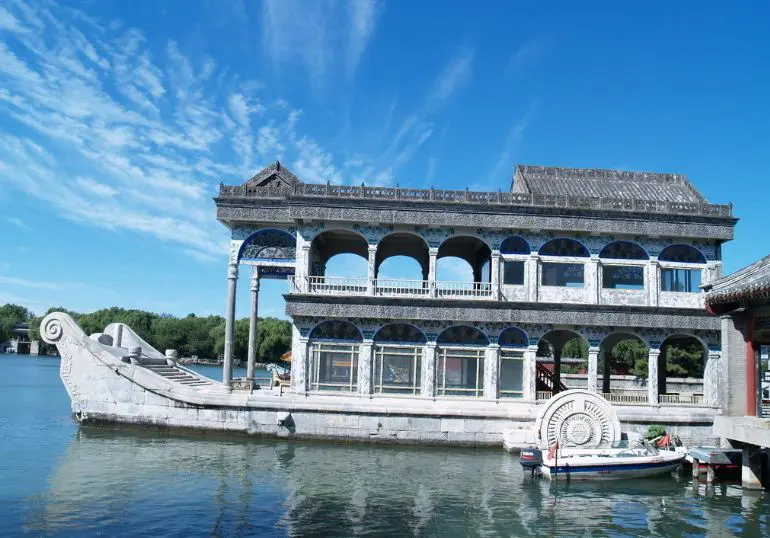
Marble Boat
A unique structure that symbolizes stability and endurance, the Marble Boat at the edge of Kunming Lake is an iconic photo spot.
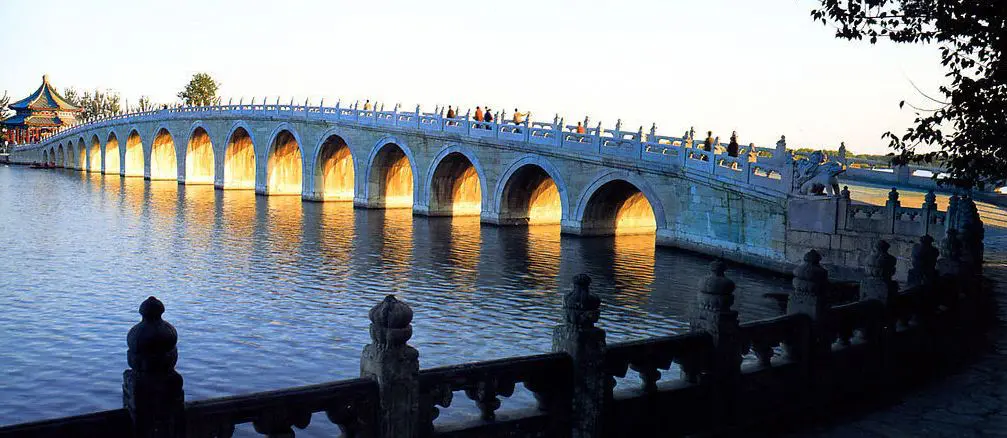
Seventeen-Arch Bridge
Connecting the eastern shore of Kunming Lake and Nanhu Island, this bridge is a marvel of architectural symmetry and a favorite among photographers.
The Tower of Buddhist Incense
Standing tall on Longevity Hill, this tower offers panoramic views of the entire palace grounds.
Cultural Experiences
Visitors to the Summer Palace can immerse themselves in traditional Chinese culture. The Palace often hosts performances in ancient Chinese art forms like Peking Opera and Kunqu. Seasonal events like the Lotus Festival in summer and ice-skating on Kunming Lake in winter provide unique experiences.
Visitor Information
Opening Hours and Ticket Prices: The Summer Palace is open year-round, with varying opening hours across seasons. Ticket prices also differ depending on the time of year and the specific attractions within the Palace grounds.
Best Time to Visit: The ideal time to visit is during spring (April-May) and autumn (September-October) when the weather is mild, and the scenery is particularly breathtaking.
Navigation and Tours: Given its vastness, it’s advisable to plan your visit or opt for guided tours to ensure you see all the major attractions. English-language tours are available.
Eateries: There are numerous dining options within and near the Palace, offering everything from quick snacks to full meals, with a focus on traditional Chinese cuisine.
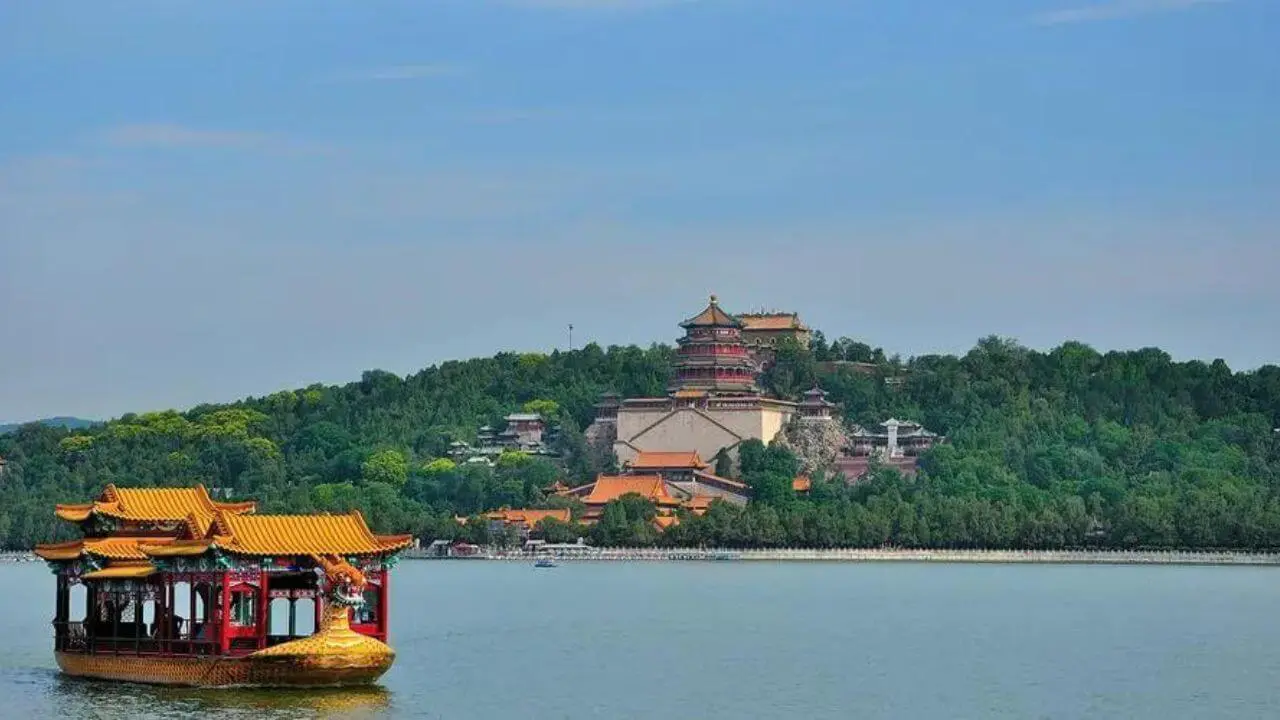
A visit to the Summer Palace is a journey through the opulence and artistry of China’s imperial past, offering travelers a blend of historical insight, cultural richness, and natural beauty.
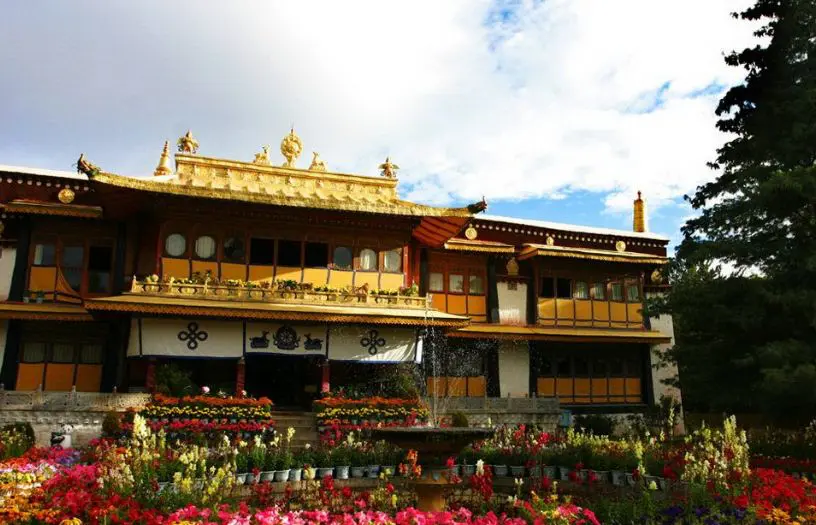
The Norbulingka, Lhasa
Norbulingka, meaning “Treasure Garden” in Tibetan, is a historic park and palace located in Lhasa, the heart of Tibet. Established in the 18th century by the 7th Dalai Lama, Norbulingka served as the traditional summer residence for successive Dalai Lamas until the 1950s. This expansive garden is not just a marvel of landscape and architecture; it is deeply intertwined with Tibetan culture and history. Recognized as a UNESCO World Heritage Site, alongside the Potala Palace and Jokhang Temple, Norbulingka is a testament to Tibetan Buddhist culture and the artistic skills of the Tibetan people.
Norbulingka consists of several palace complexes, such as the Kelsang Potrang, Tsokyil Potrang, Golden Linka, and Takten Migyur Potrang. Each palace complex is divided into three sections: the palace section, the section in front of the palaces, and the woods.
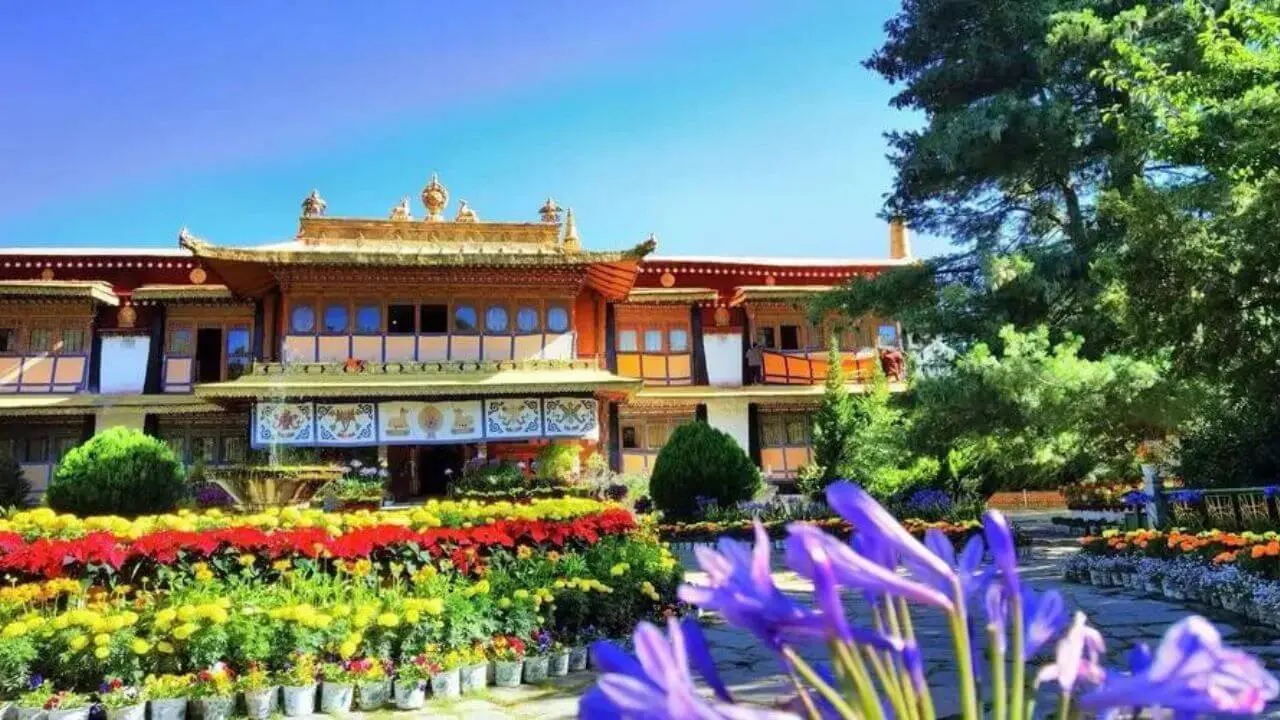
Norbulingka’s Palace Complexes: Key Attractions
Norbulingka, a jewel of Tibetan architecture and landscaping, is distinguished by its several palace complexes, each with its own unique features and significance. These complexes include the Kelsang Potrang, Tsokyil Potrang, Golden Linka, and Takten Migyur Potrang. Characteristically, each complex is thoughtfully divided into three distinct sections: the palace section, the section in front of the palaces, and the surrounding woods.
Kelsang Potrang
Palace Section: Built during the 7th Dalai Lama’s era, Kelsang Potrang serves as the oldest structure in Norbulingka. It showcases traditional Tibetan architecture with beautifully painted frescoes depicting religious and historical scenes.
Front Section: This area, traditionally used for religious and official gatherings, features well-manicured gardens and paths, providing a serene setting for contemplation.
The Woods: The surrounding woods of Kelsang Potrang are a peaceful retreat, with lush greenery and quiet spots perfect for meditation or leisurely strolls.
Tsokyil Potrang
Palace Section: Often referred to as the “Lake Palace,” it is set amidst a tranquil lake. This palace is renowned for its stunning architecture and intricate interior designs that reflect the deep spiritual heritage of Tibet.
Front Section: The area in front of Tsokyil Potrang is a harmonious blend of water and land, with bridges and walkways allowing visitors to enjoy the lake’s beauty up close.
The Woods: These woods provide a natural sanctuary, with paths winding through the dense foliage, leading to quiet corners and beautiful viewpoints.
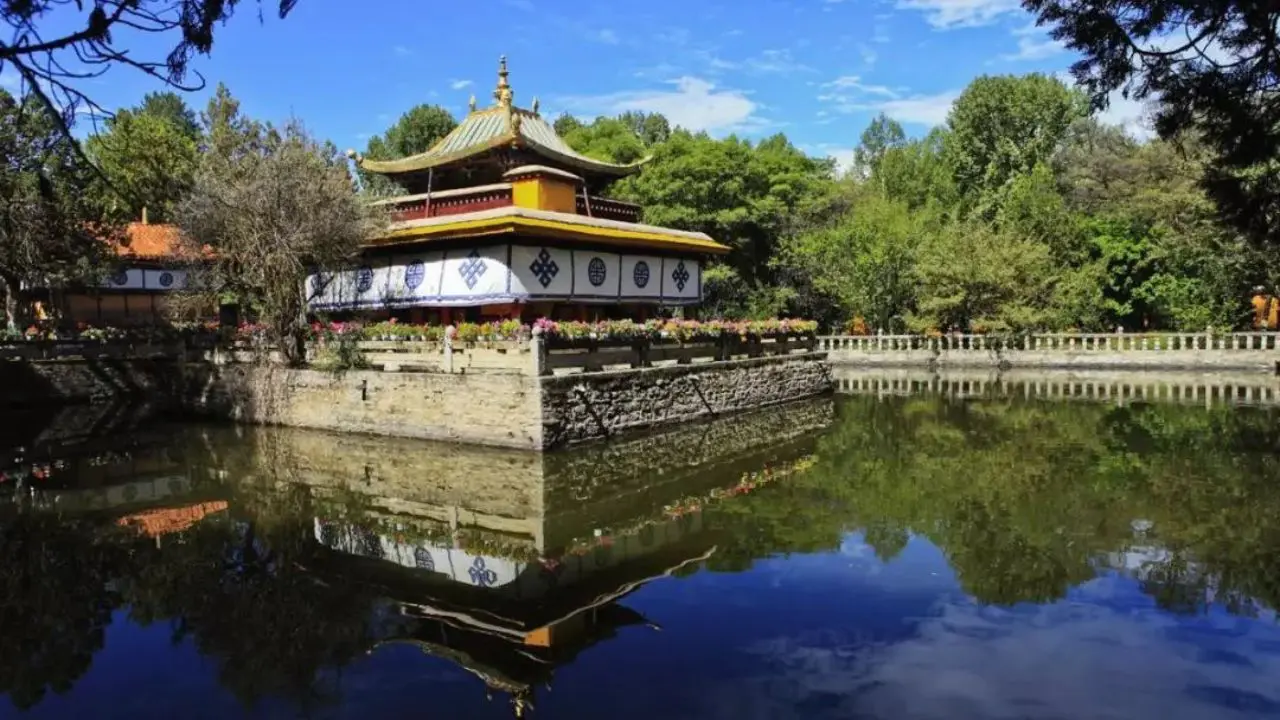
Golden Linka
Palace Section: This complex is noted for its elegance and simplicity. The Golden Linka’s interior decorations and architectural details are a testament to the refined aesthetic of Tibetan craftsmanship.
Front Section: The front garden is a beautifully landscaped area, featuring traditional Tibetan sculptures and water features, creating a tranquil ambiance.
The Woods: The surrounding woods are a lush escape, offering a cool, shaded area with a diverse array of flora, ideal for nature lovers and those seeking solace from the bustling city.
Takten Migyur Potrang
Palace Section: Built in the 1950s for the 14th Dalai Lama, this palace is a fusion of traditional Tibetan and modern styles. It represents a newer era in Tibetan architecture and is equipped with modern amenities.
Front Section: This area is a blend of meticulously landscaped gardens and open spaces, often used for cultural events and religious ceremonies.
The Woods: The adjacent woods offer a mix of natural and landscaped beauty, with pathways leading to secluded spots ideal for reflection and relaxation.
Each palace complex within Norbulingka tells a different story of Tibetan history, culture, and religious practices. For travelers, exploring these complexes offers a comprehensive experience of Tibetan architectural brilliance, serene landscapes, and a deep spiritual ambiance.
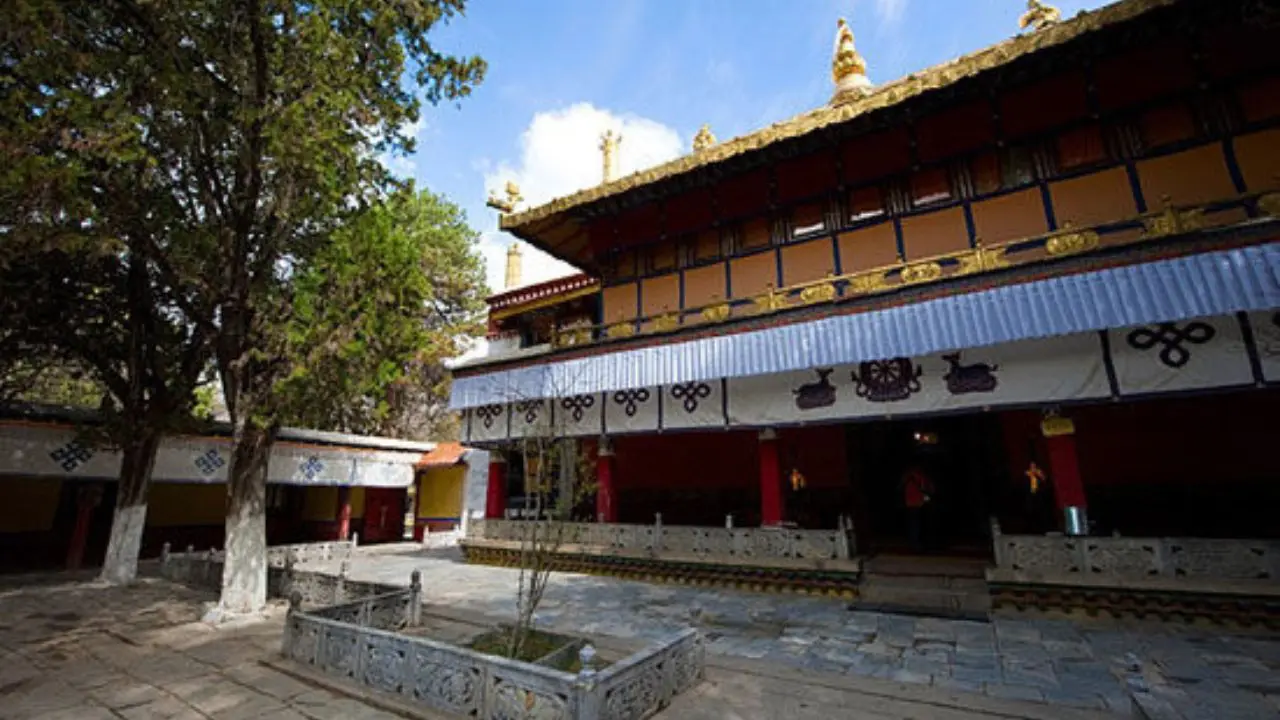
Visitor Information
Accessibility: Norbulingka is easily accessible from central Lhasa and can be reached by public transport, taxi, or on foot.
Entrance Fees and Visiting Hours: The park has an entrance fee, which varies depending on the season. It’s typically open from early morning until evening, with variations throughout the year.
Local Guides and Cultural Etiquette: Hiring a local guide is recommended to fully understand the historical and cultural significance of the site. Visitors are advised to respect Tibetan cultural and religious practices, including appropriate dress and conduct within sacred areas.
Accommodations: There are various accommodations available in Lhasa, ranging from budget guesthouses to luxury hotels. Staying near the city center provides easy access to Norbulingka and other cultural landmarks.
The most popular thing to do in the Norbulingka is watch the production process of Thangka and take part in the activities that are held here. As a unique kind of Tibetan scroll painting with silk embroidery, Thangkas depict all aspects of Tibet including religion, history and culture. The activities here are shooting, archery, singing and dancing. Travelers also can have picnics and drink yogurt on the open ground. When you take a train to Tibet, you will find the culture and lifestyles in Tibet are completely different from in Beijing. Lastly, enjoy yourself in the journey and relax through the incredible journey.
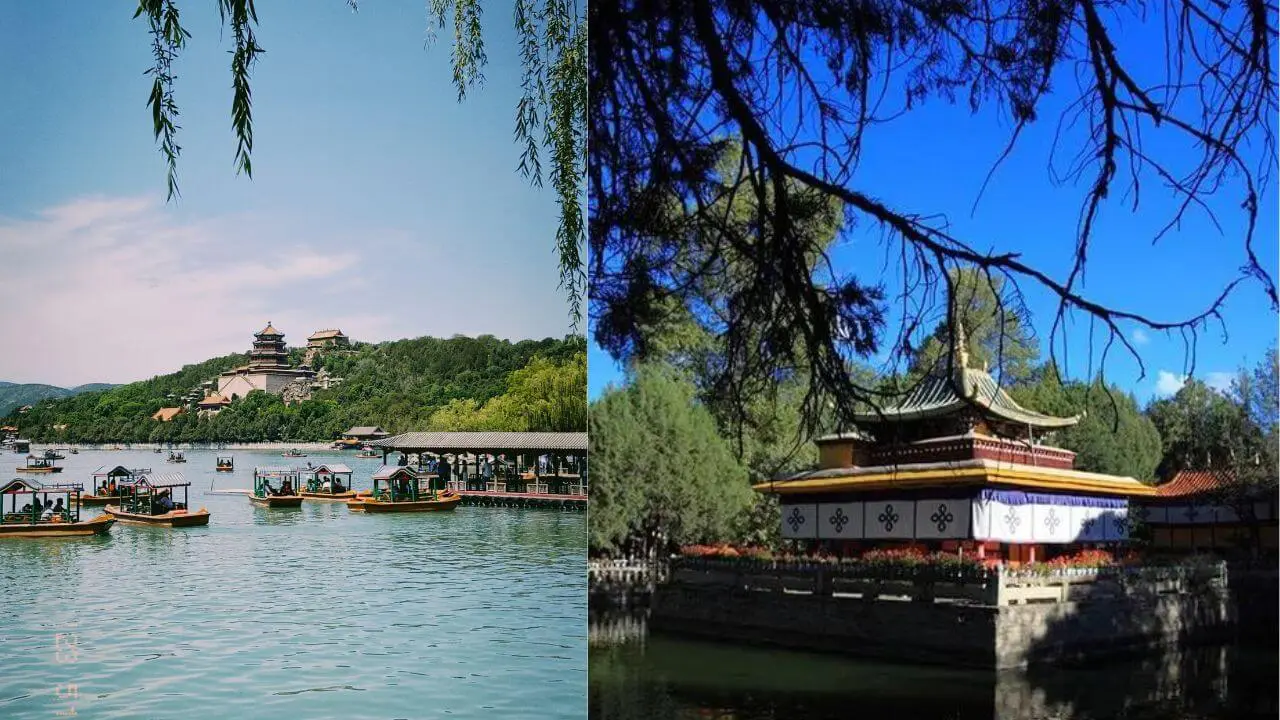
Visiting these imperial gardens is not just a journey through splendid landscapes but an immersive experience into the soul of two great cultures. They stand as enduring symbols of the artistic and spiritual traditions of China and Tibet, offering a unique blend of history, culture, and natural beauty to all who wander their ancient paths.
For more information, please look at WindhorseTour’s Beijing to Lhasa tour.
Related tours
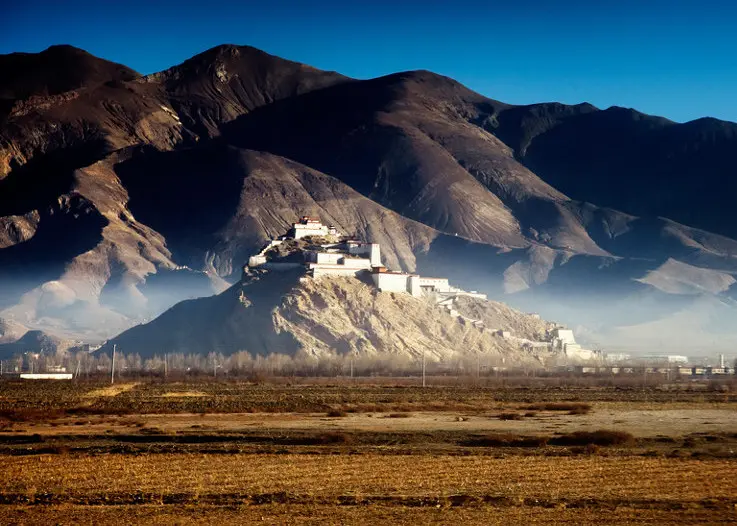
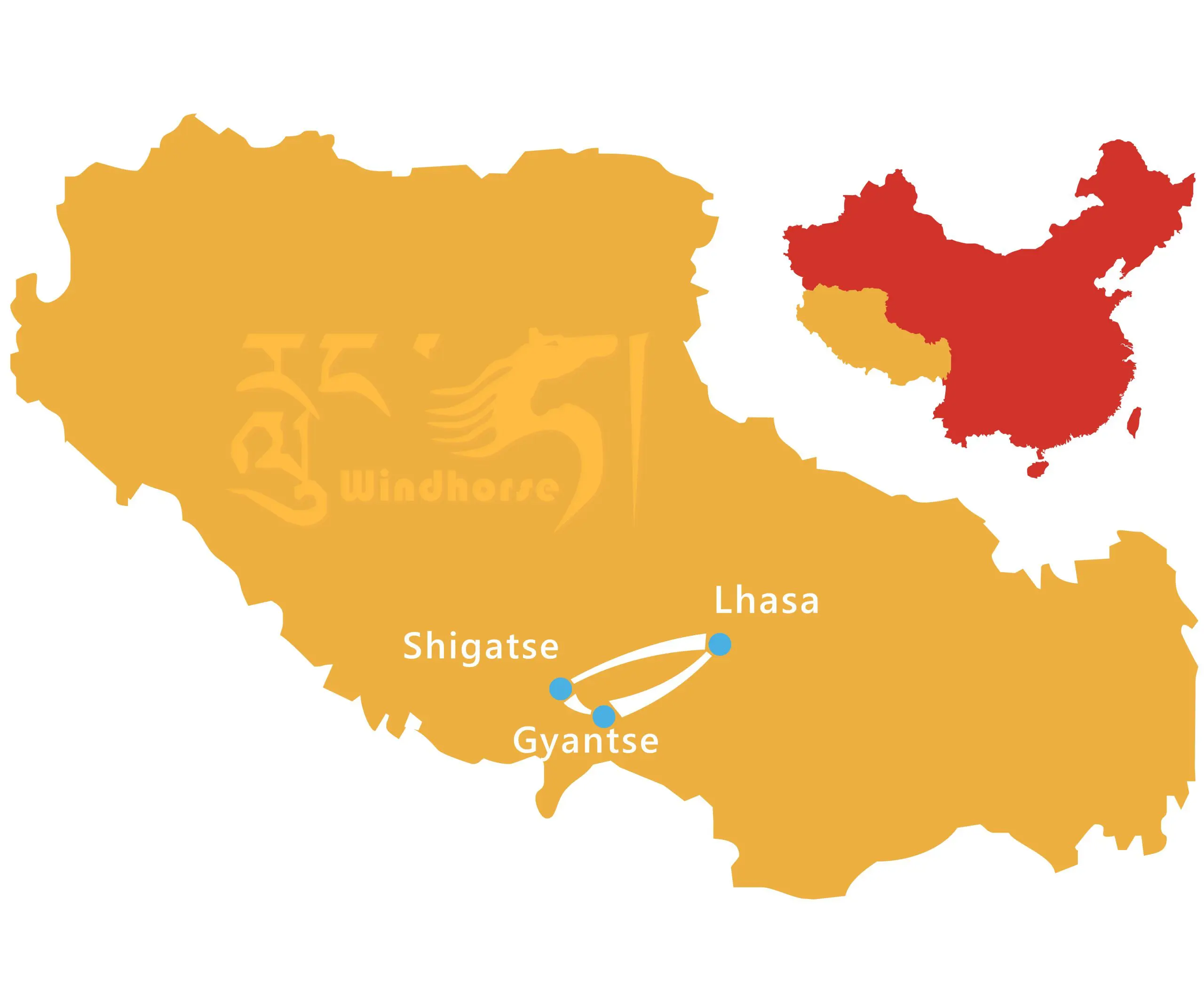
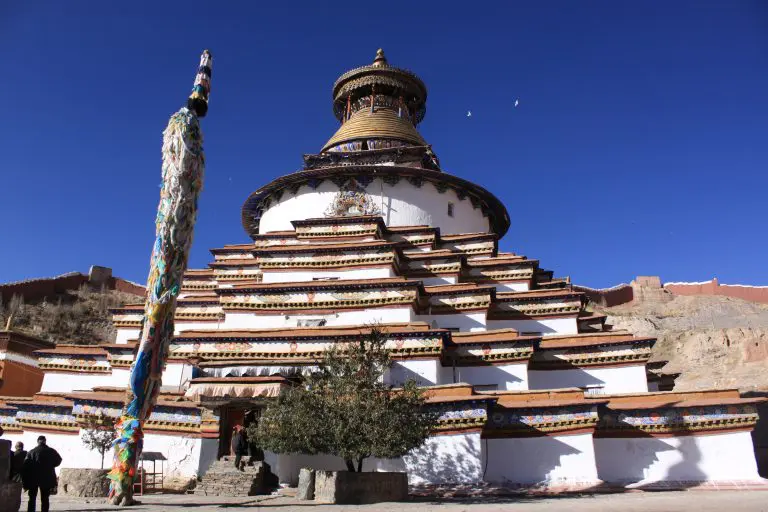
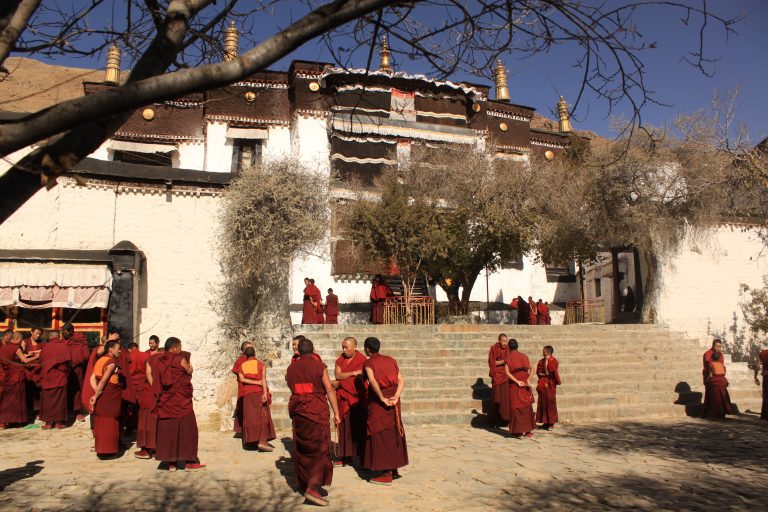
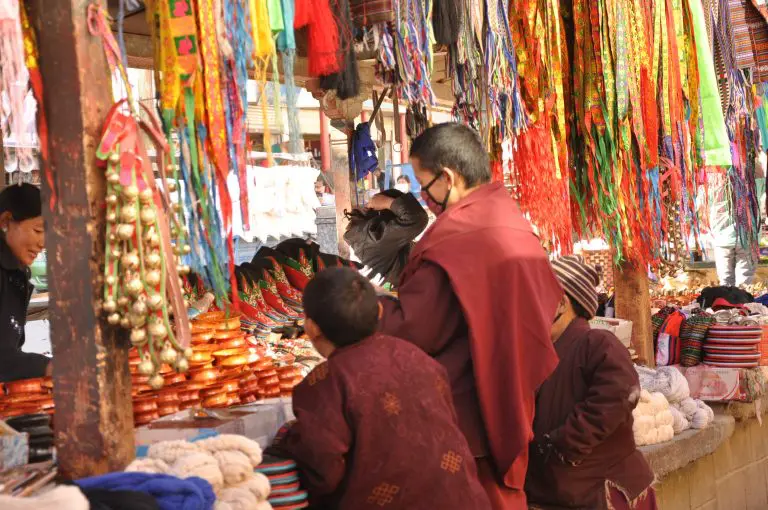
Join a 7-day Tibet culture tour from Lhasa to Gyantse and Shigatse. Explore Potala Palace, Jokhang, Gyantse Dzong, and Tashilhunpo Monastery. Enjoy Yamdrok Lake views, visit local families, and travel at a relaxed pace, ideal for families or seniors.
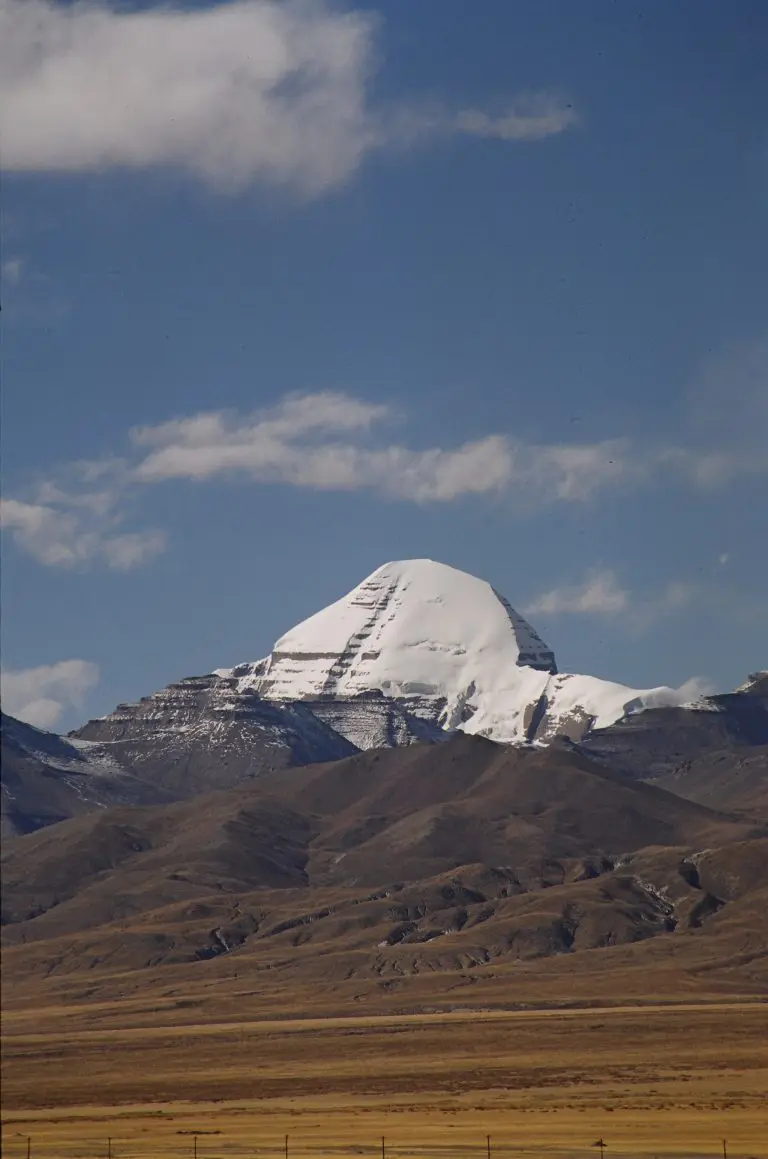
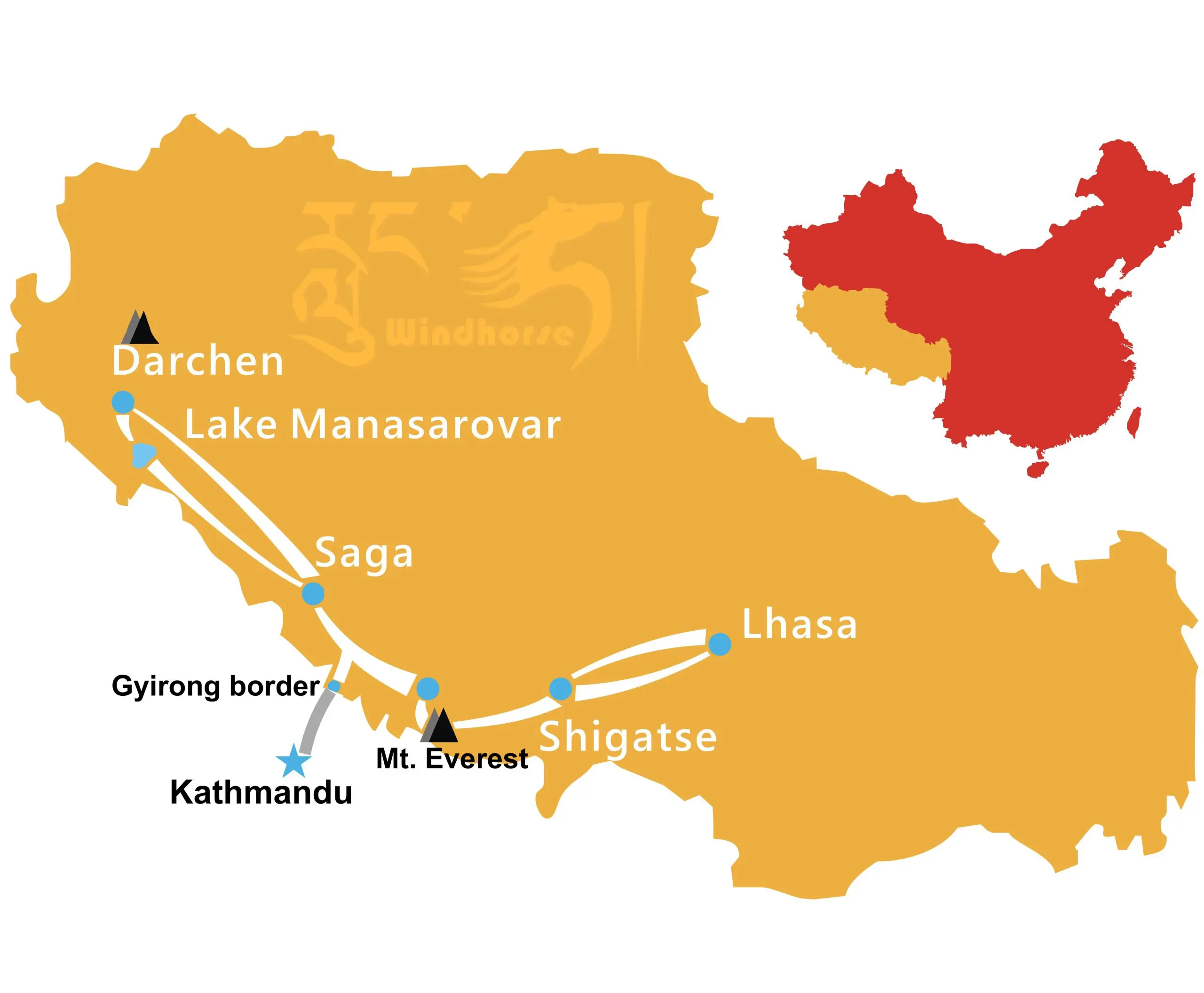
Take a 14-day Mount Kailash Tour from Lhasa to Kathmandu. Visit Lhasa’s Potala Palace and Jokhang Temple, see Everest Base Camp (North face), and trek the 3-day Kailash Kora, and relax by Lake Manasarovar before crossing the scenic Gyirong Valley into Nepal.
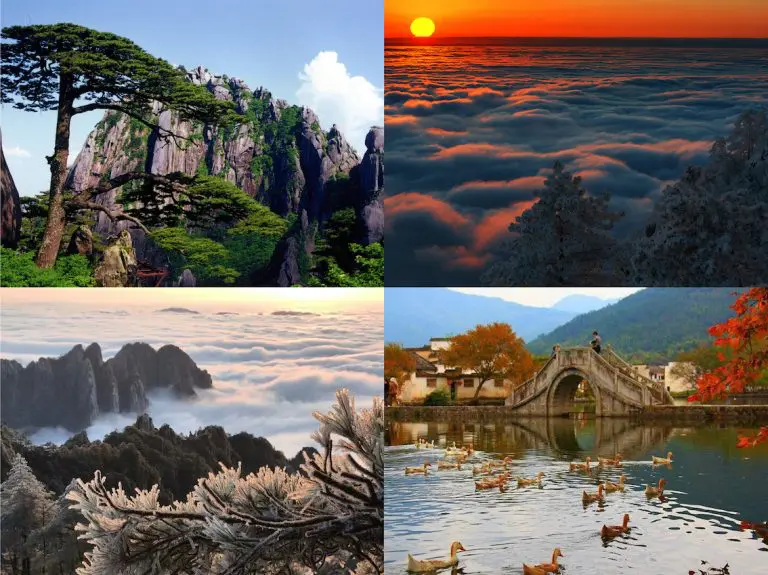

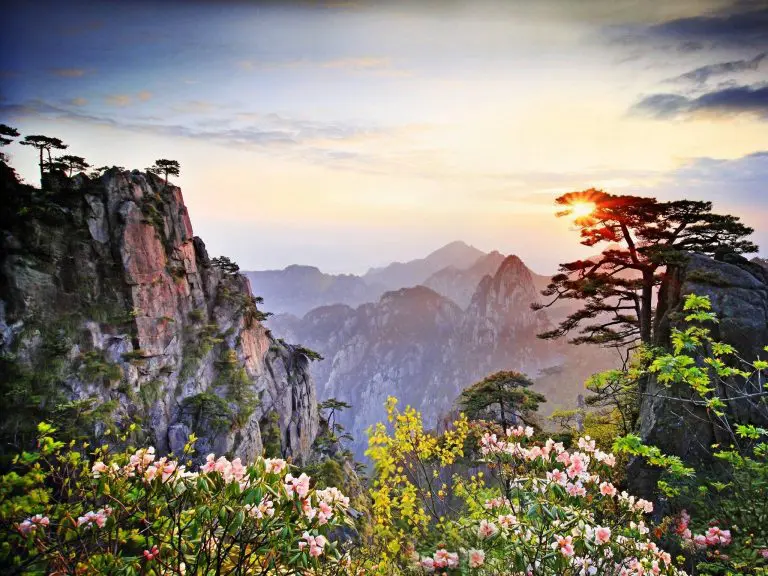
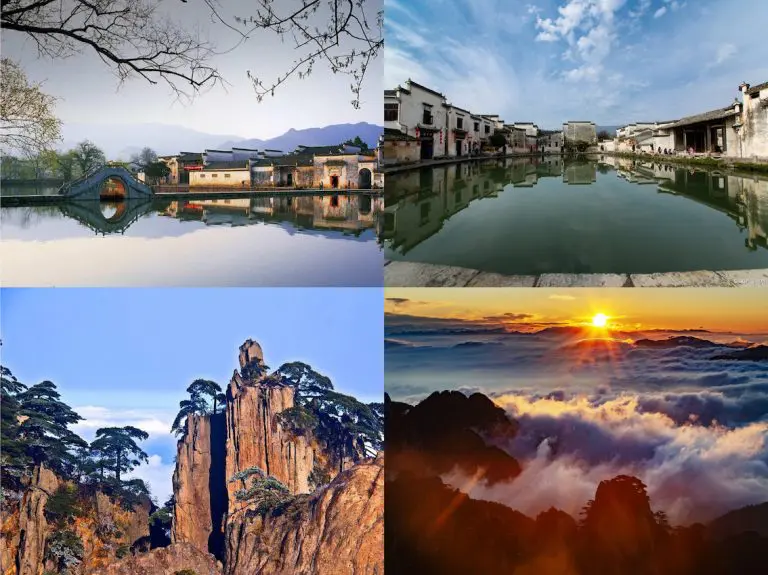
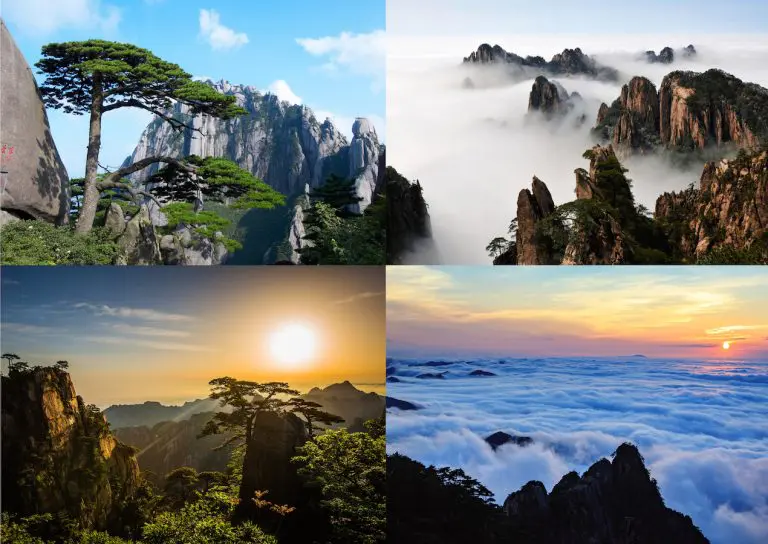
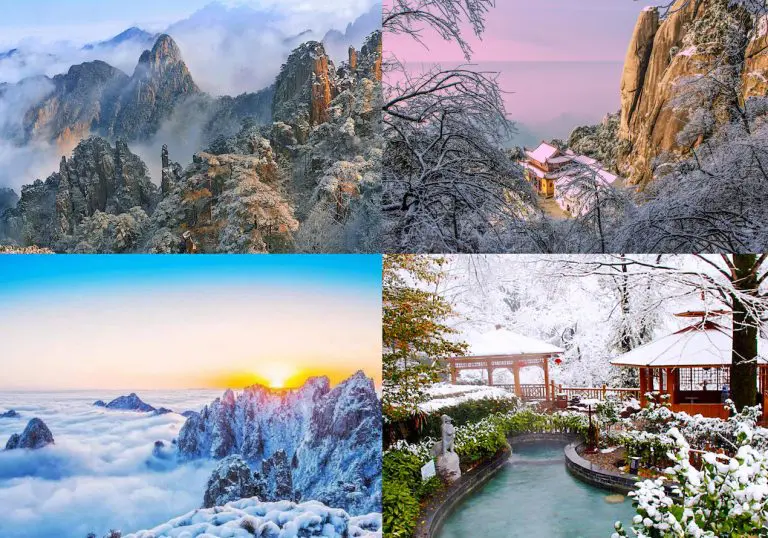
Join this 3 day Mount Huangshan Tour to explore China's most scenic mountain and its nearby UNESCO sites. Hike among dramatic granite peaks, ancient pine forests, and magical sea of clouds on Mount Huangshan, then visit the picturesque Hongcun Village to experience authentic Huizhou architecture and culture.
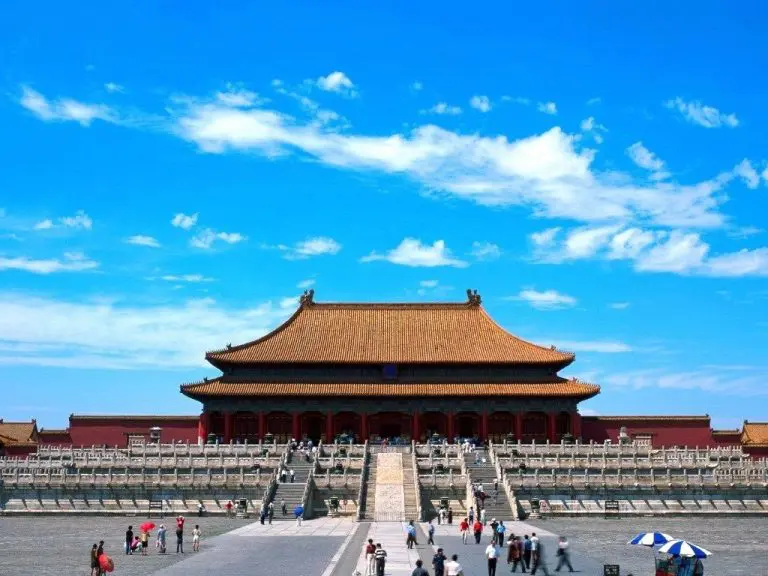
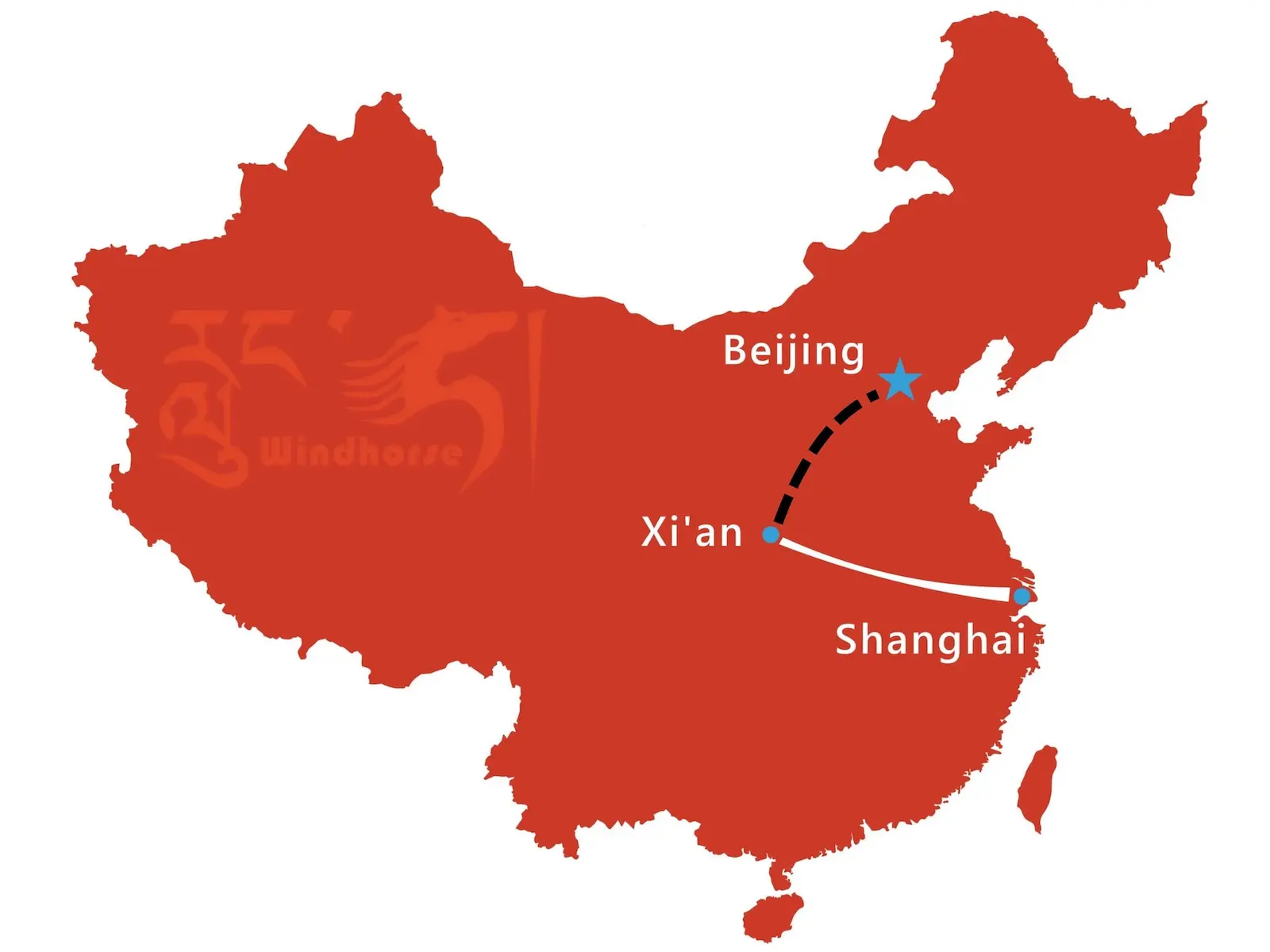
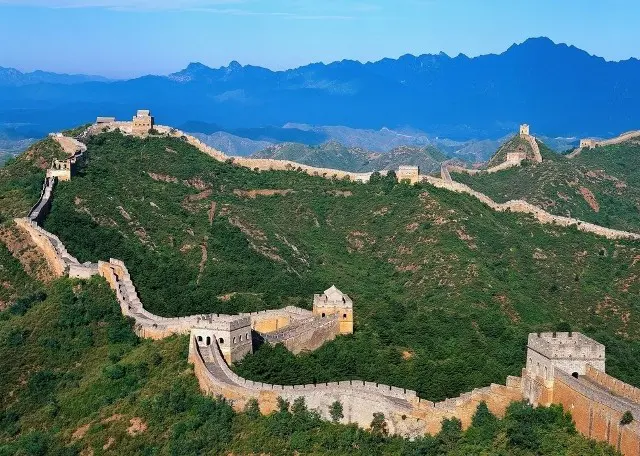
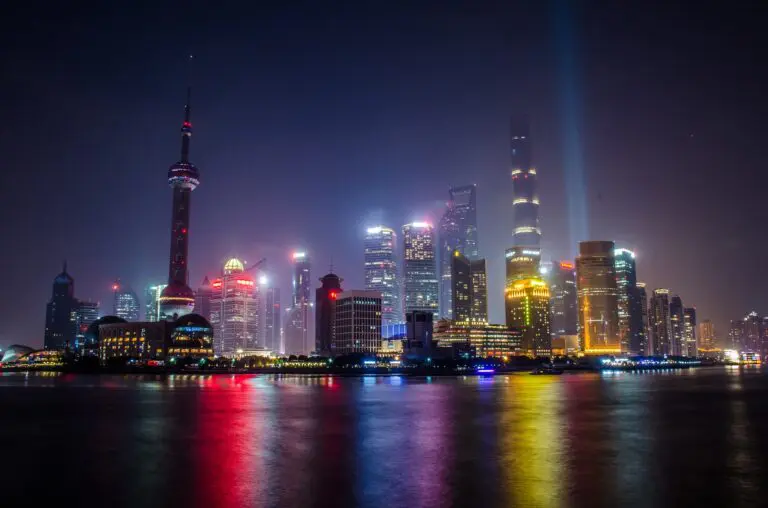
This 9 day Beijing Xi'an Shanghai tour covers China’s Golden Triangle highlights. Walk the Great Wall, explore the Forbidden City, see the Terracotta Warriors and experience Shanghai’s blend of historic charm and modern skylines.