
Cultural cues: “Where do you study?”

People looking in on China can find it a great mystery, even those who have the opportunity to travel there. The key to unlocking this mystery is not just seeing China’s wonders and traveling around the country but also getting to know her people. If your travels bring you to China, one sure way to open up conversation is to find a young person and ask in your best, broken Chinese, “where do you study?”
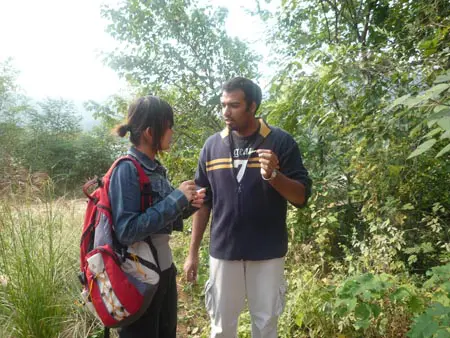
The challenge of meeting a stranger in a language you do not speak is daunting, but with a little knowledge of Chinese culture and this one basic phrase, the hurdle is easily overcome and new friendships are sure to be in the making. In Mandarin Chinese, this useful phrase – “Where do you study?” is pronounced “ni zai nar shang xue?” (sounding like “knee zye nar shang shweh”) and is written: “你在哪儿上学?”
Almost any young person you meet on the street in China will speak enough English for you to have a comfortable conversation with, but fear of embarassment and “losing face” may keep it hidden away. However, by showing that you, too, are not held back by the language barrier, those fears will melt in a wave of visible relief and bring a stream of eager conversation.

For almost every family in China today, one child is all they will be allowed and that child’s education is of vital importance. In addition, China is making a great push to open higher education to this generation’s youth, meaning that significant numbers of young adults are in college now or hoping to attend in the future, and one requirement for college entrance and for many college degrees is a passable level of English. By bridging the ambiguous culture gap yourself, most any Chinese person will respond favorably to your kindness and initiative, a product of China’s hospitable culture, and Chinese students especially will relish the opportunity to practice their long-studied English.
China has so much to offer visitors from the outside and who better to guide you than a Chinese friend? Simple and culturally acceptable phrases, such as where someone studies, show an understanding of China today and the life that many Chinese people find themselves living. Such knowledge, together with a friendly smile and a willingness to take a chance, can make all the difference in your trip!
Related tours
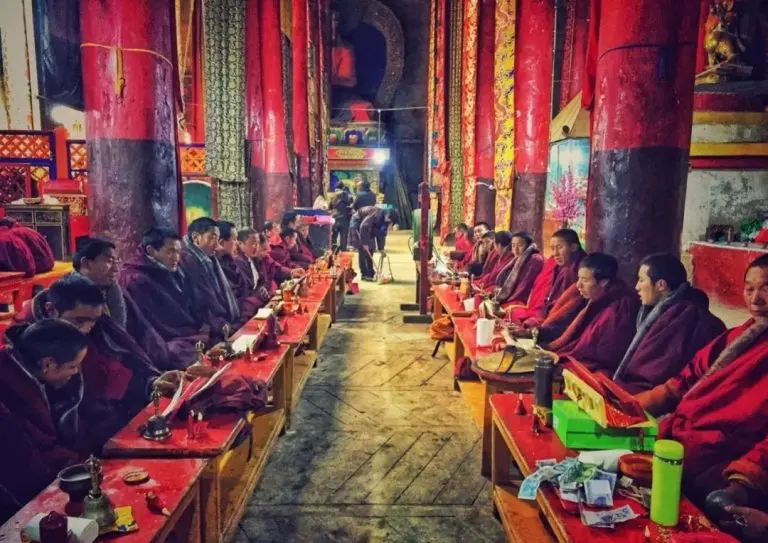
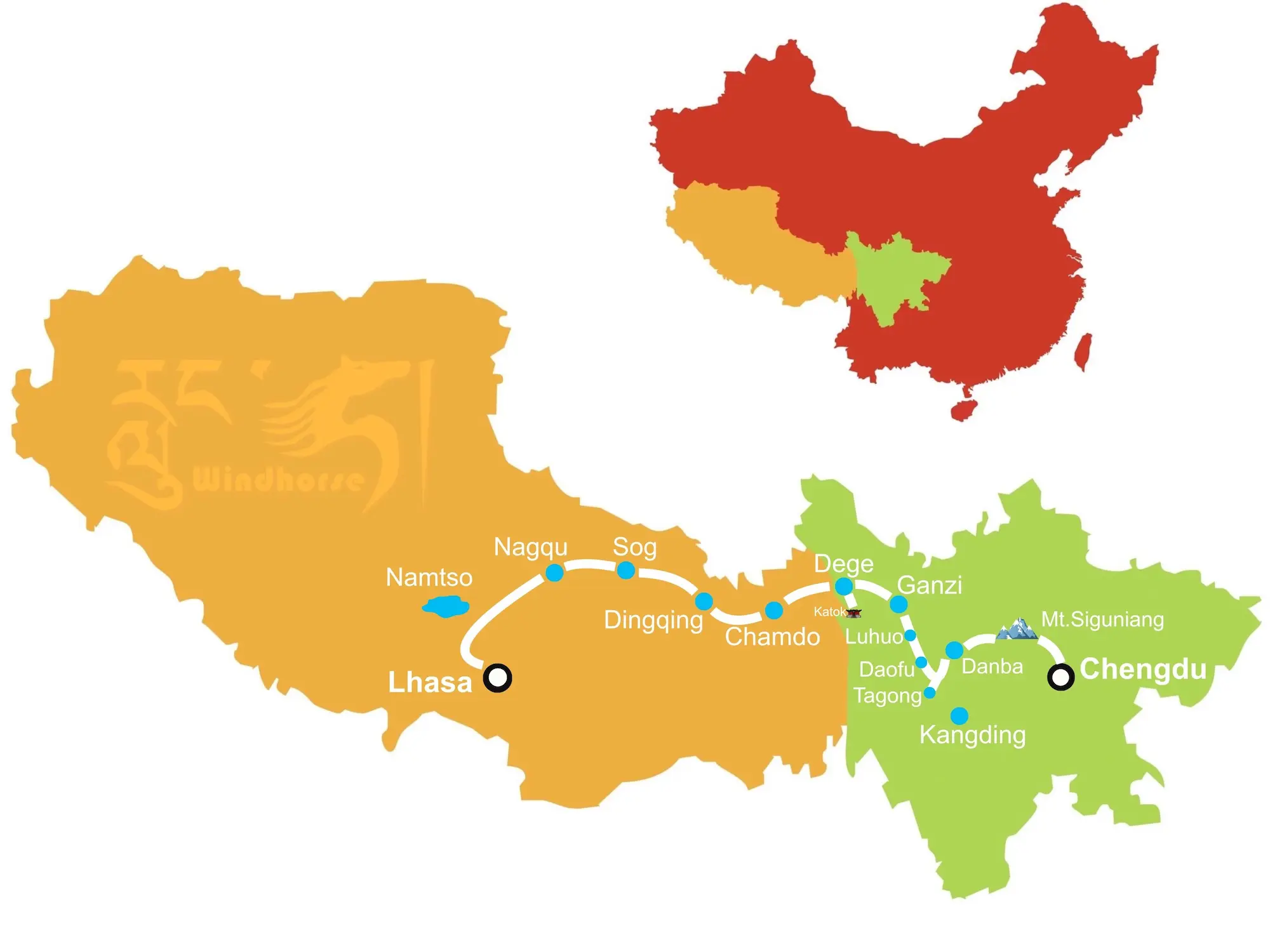

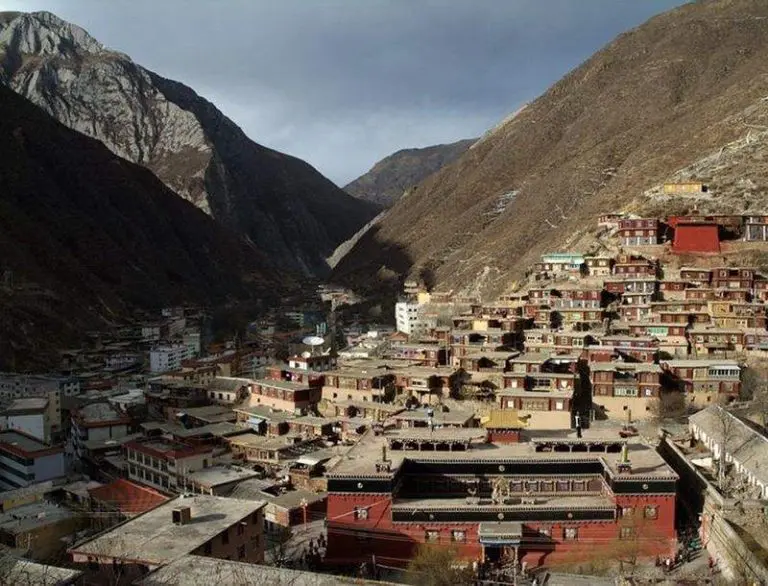
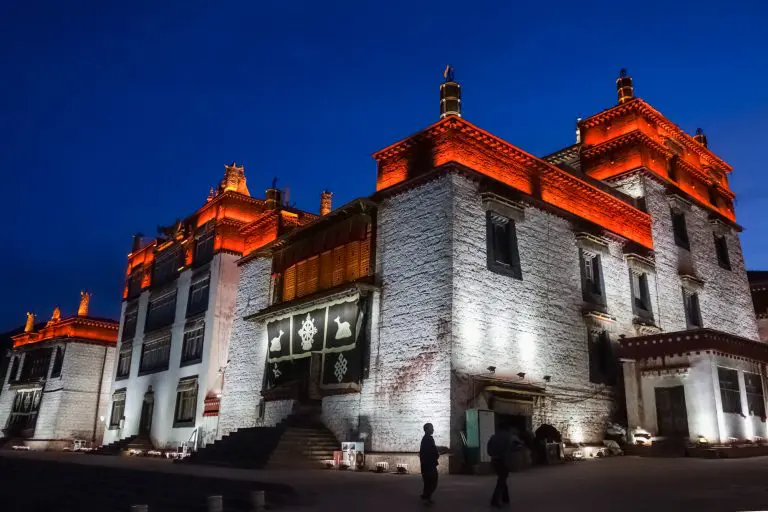

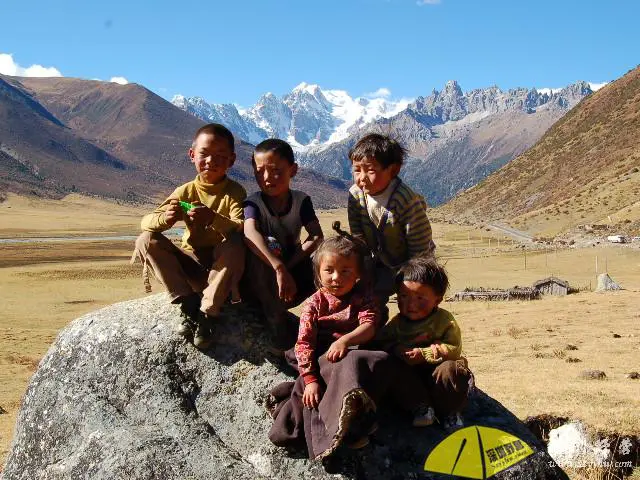

Discover the overland journey along the legendary Sichuan–Tibet Highway Northern Route (G317) from Chengdu to Lhasa. Travel through alpine valleys, ancient monasteries, and Tibetan villages, experiencing the stunning landscapes and rich culture of Kham and northern Tibet.


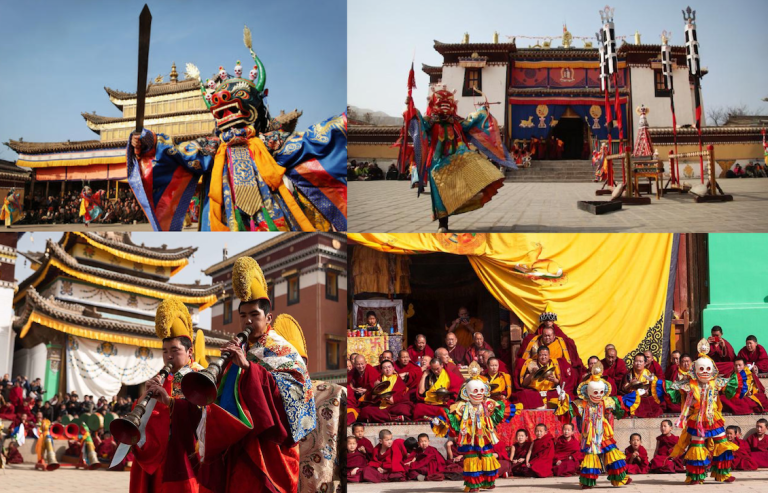
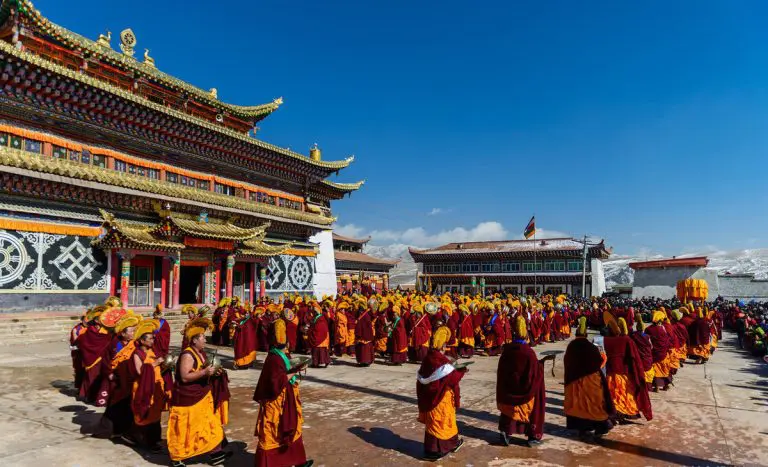
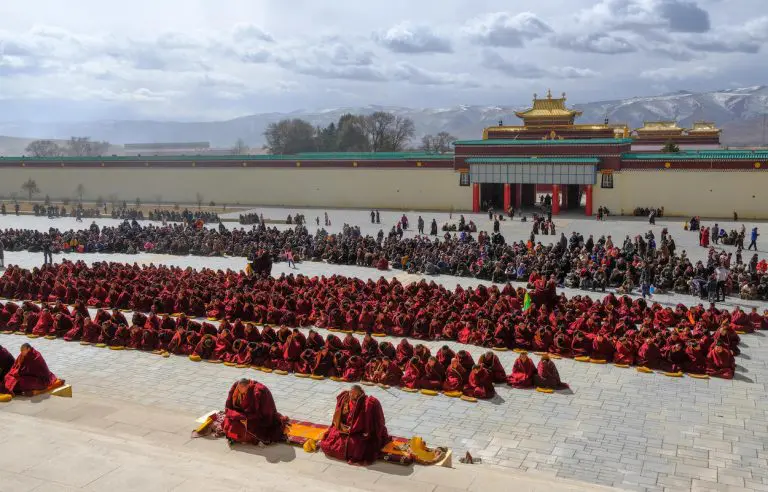
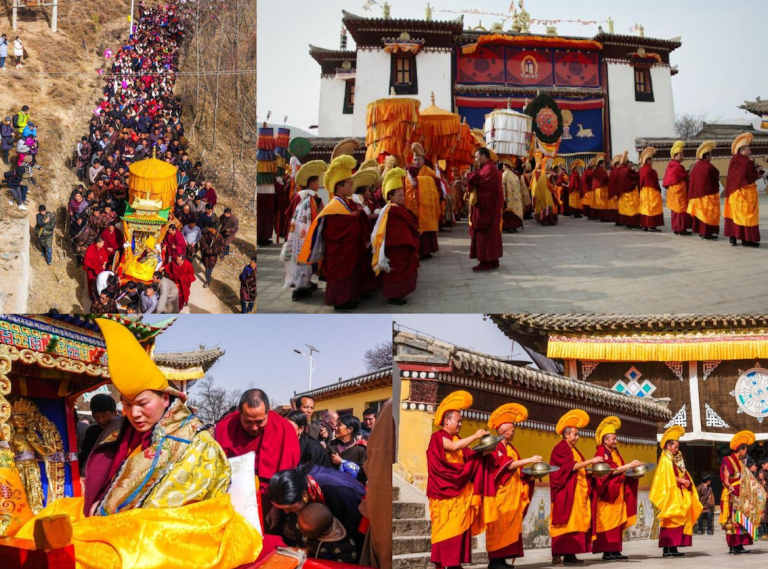
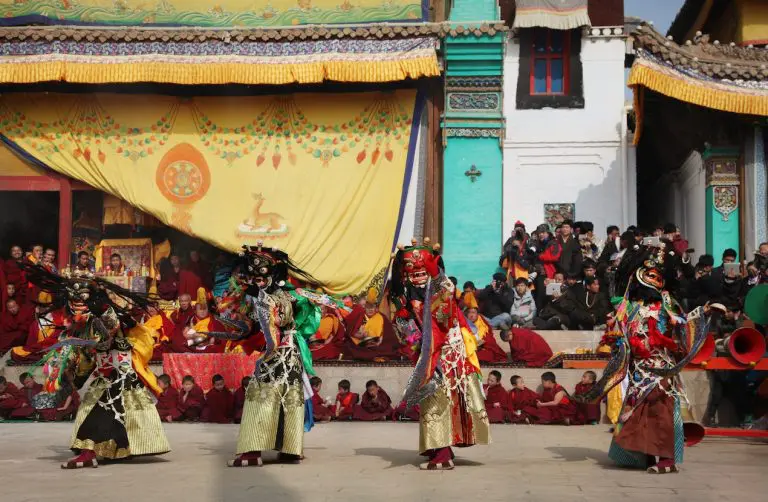
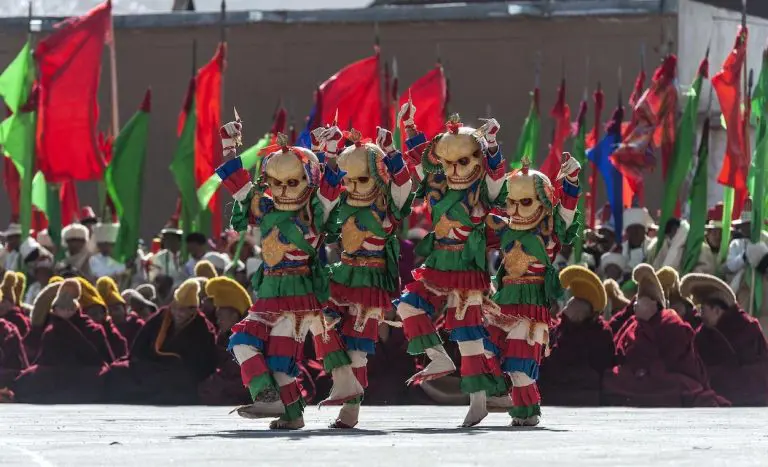

Join this 11 day Amdo Tibetan Monlam Festival Tour to witness Tibet's grandest Buddhist celebration. Experience giant thangka unveiling, colorful cham mask dances, and powerful prayer rituals across Tongren, Xiahe, Langmusi, and Aba while exploring the sacred monasteries and stunning plateau landscapes of Amdo.

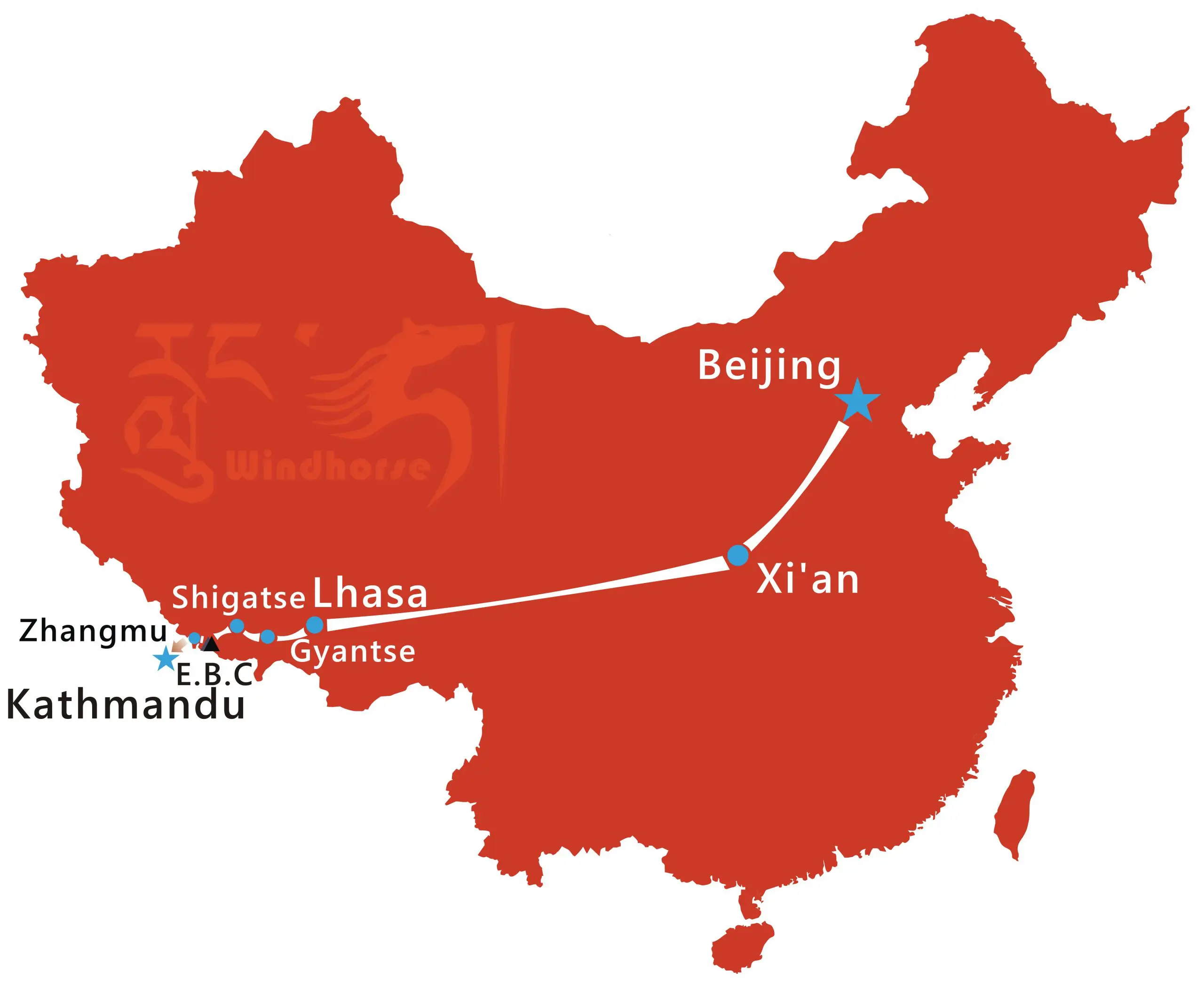
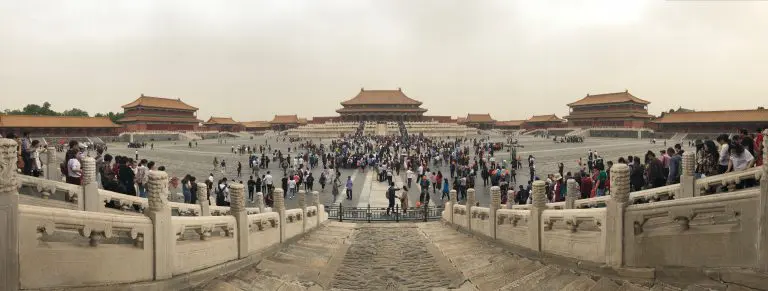
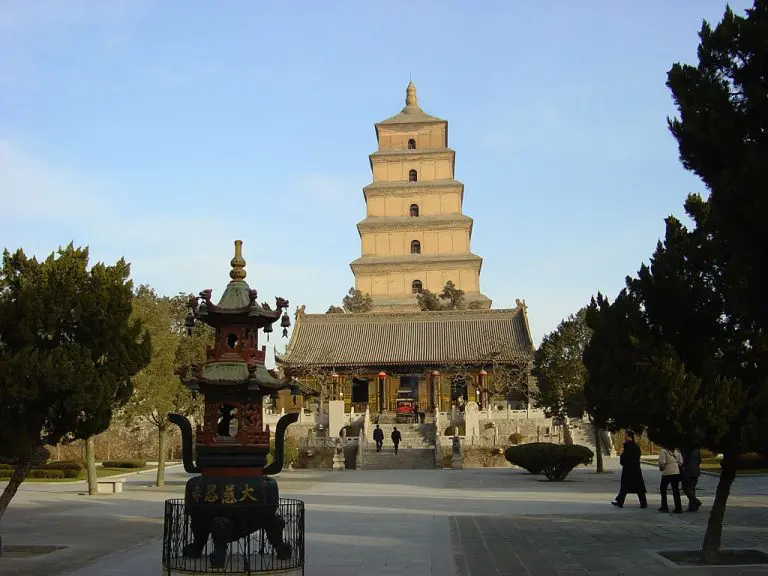




This China Tibet Tour from Beijing to Kathmandu links China’s imperial landmarks with Tibet’s sacred sites and dramatic Himalayan landscapes. Explore Beijing and Xi’an, ride the Qinghai-Tibet Railway to Lhasa, visit the Potala Palace and Everest Base Camp, then journey along the Friendship Highway to Kathmandu.

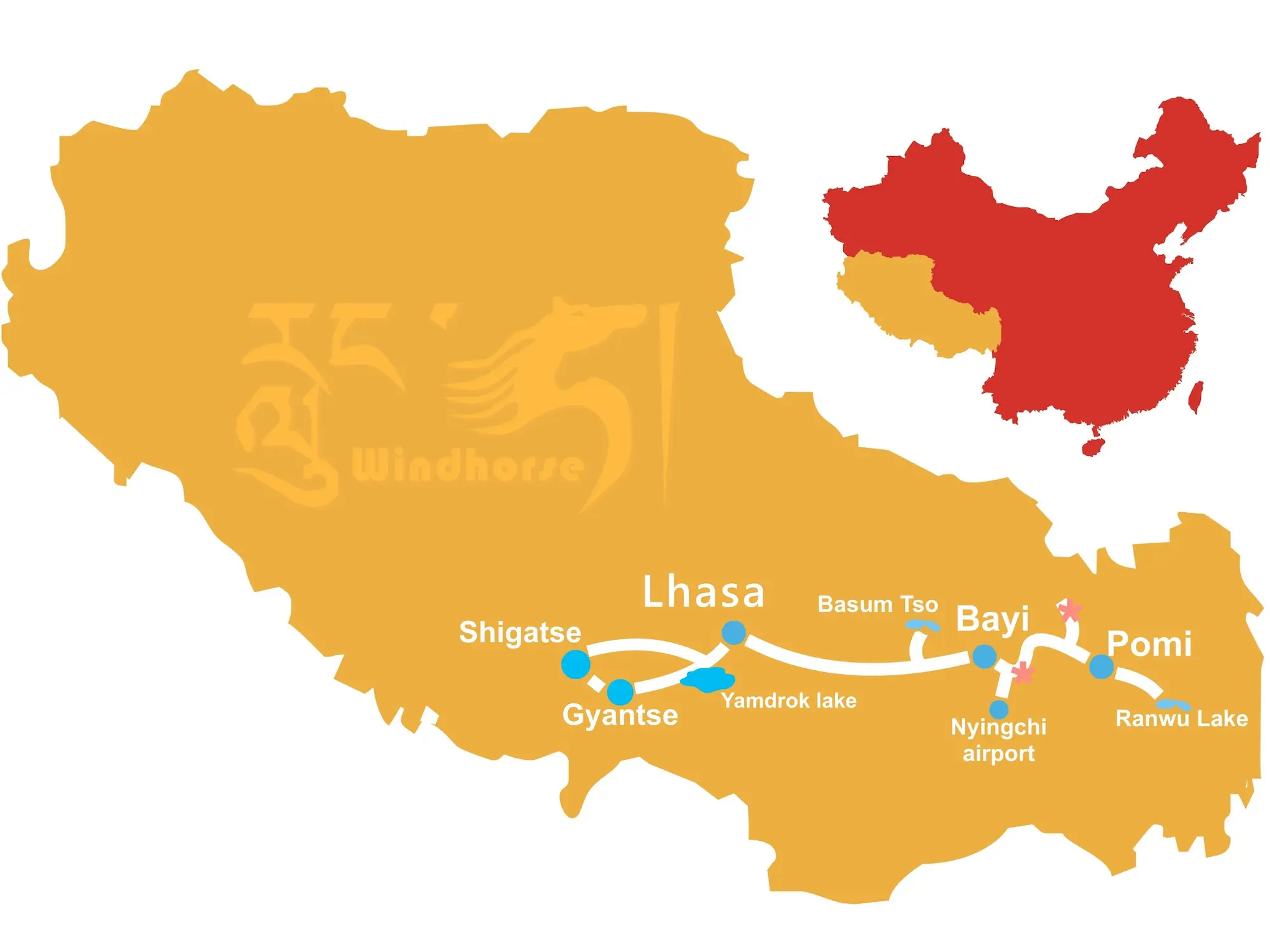




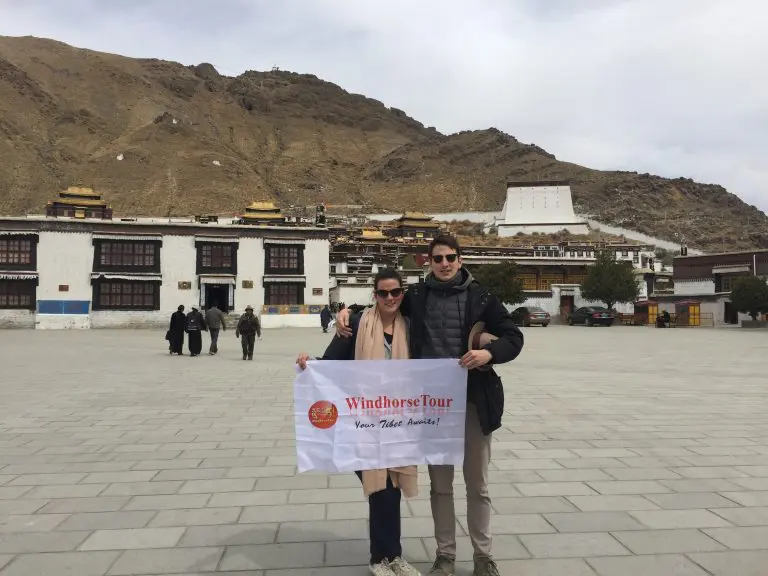
Discover eastern and central Tibet on this 10-day tour, from Nyingchi’s alpine valleys, Ranwu lake and Basum-tso Lake to Lhasa’s Potala Palace and Jokhang Temple, Yamdrok Lake, Gyantse’s Kumbum Stupa, and Shigatse’s Tashilhunpo Monastery.