
3 Chinese Internet slang terms everyone should know


Recently, a whole new lexicon of slang phrases has emerged from Chinese Internet culture, and these phrases are being used more and more in Chinese people’s daily conversations. If you don’t want to be “er” when hearing these new terms, keep reading!
First, let me tell you what “er” means. Translated into English it means “two,” but it is also a currently popular term among Chinese internet users for someone who is ignorant or an idiot. When Chinese people use this phrase to kid their friends, they may use Chinglish (Chinese translated directly into English) and say “ni hen two,” which means “you are very two!”
In China, you might hear a person say they are going to buy a bottle of sauce, when in fact they have no intention of literally buying sauce. Rather, “buying a bottle of sauce” implies they do not want to devote much time or energy to an activity. The next time you hear a Chinese person say they “just want to buy a bottle of sauce” for an upcoming competition, do not ask them if the competition is some sort of a sauce competition or you will seem very two!
Another new phrase of note is “qin,” which originated from Taobao, a Chinese auction and online retail website similar to eBay. Qin was first used by sellers on Taobao to address their customers on the website, coming from the Chinese phrase “qin ai de” meaning “dear one.” Later on, the usage spread across the Chinese webosphere and is now commonly used on many Chinese websites. Now, qin is used tongue-in-cheek in viral Internet videos, causing a lot of laughter among viewers.
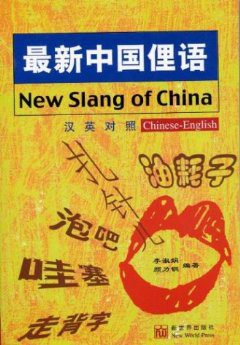
To Chinese people, these terms add an element of comedy and entertainment to their daily conversations. For foreigners visiting China, these unique phrases lend a better understanding of modern Chinese culture. When understood and used well, they can endear a foreigner to his or her Chinese companions!
Interested in upping your Chinese Internet slang? Here is a list of some commonly used terms:
- GG (from geegee) older brother.
- JJ (from jiejie) older sister.
- PF (from pei fu) admire.
- PP beautiful.
- 42 yes.
- SF (from xi huan) to like.
- 88 bye bye.
- 94 (from jiu shi) that is.
- 3Q thank you.
- 520 I love you.
- 5555 (from wuwuwuw) the sound of crying.
Related tours

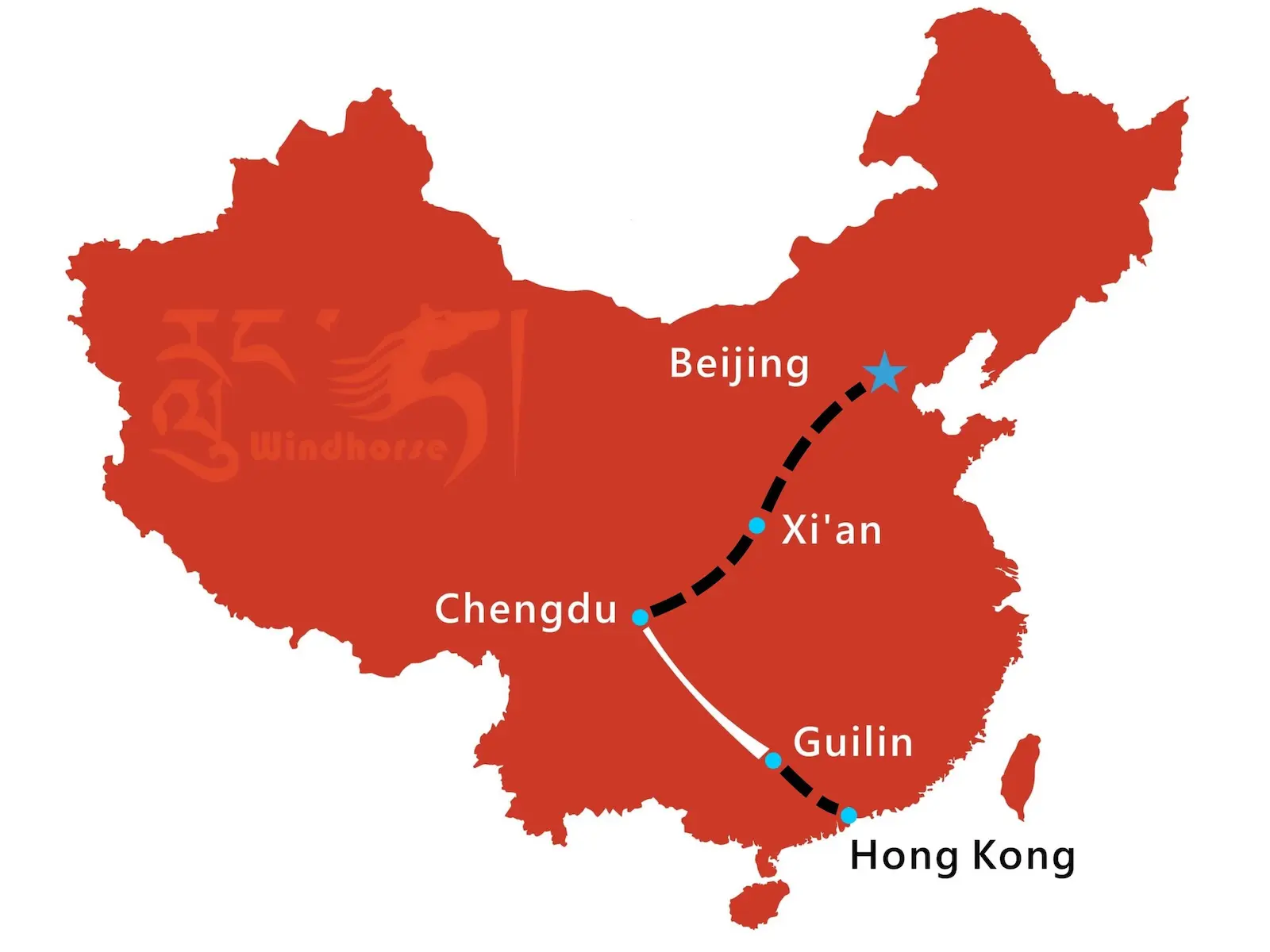
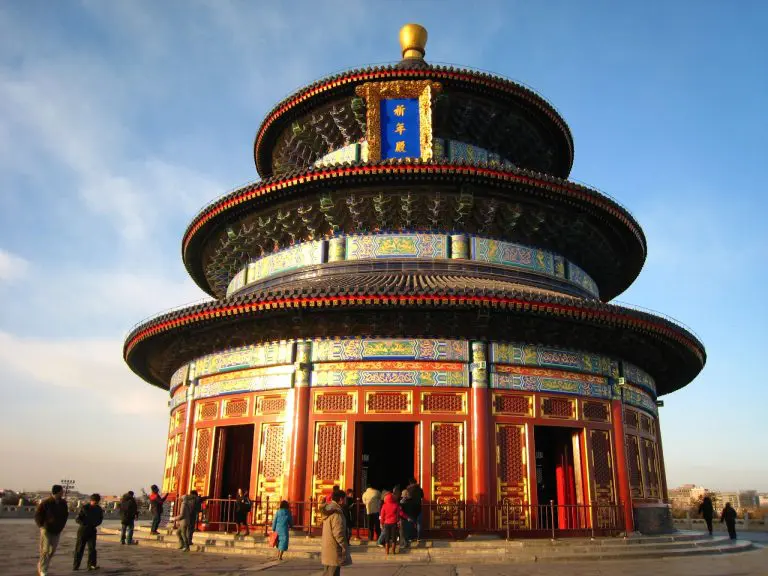




Experience China’s cultural and scenic highlights on this 13-day Essence of China tour from Beijing to Hong Kong. Explore the Great Wall, Terracotta Warriors, Chengdu pandas, Li River landscapes, and finish in vibrant Hong Kong for the perfect mix of history, nature, and modern city life.

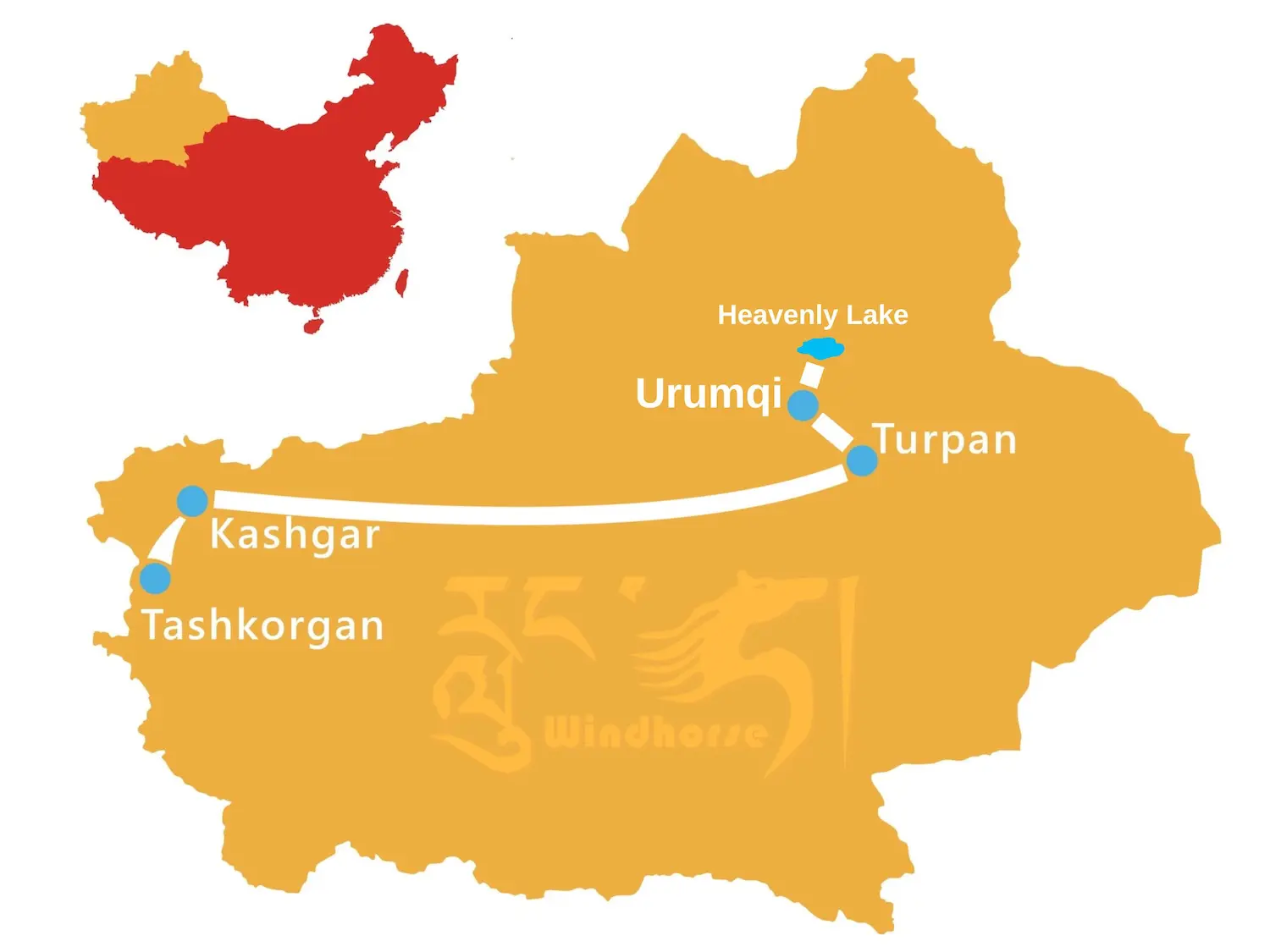



This Xinjiang Highlights Tour covers Urumqi, Turpan, Kashgar and Karakul Lake. Experience ancient Silk Road cities, Uyghur culture, desert ruins, alpine lakes and dramatic mountain landscapes along the Karakoram Highway.

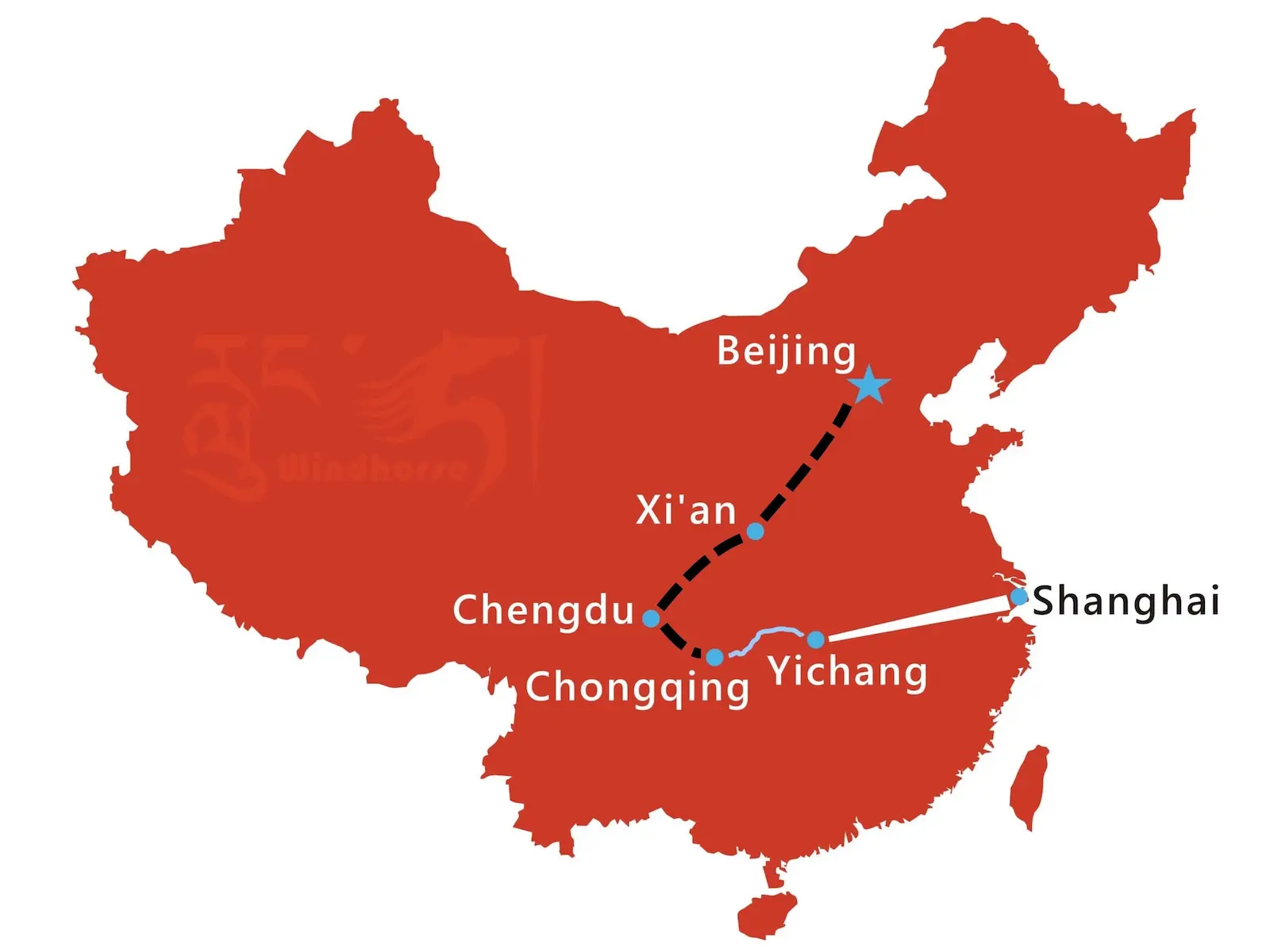

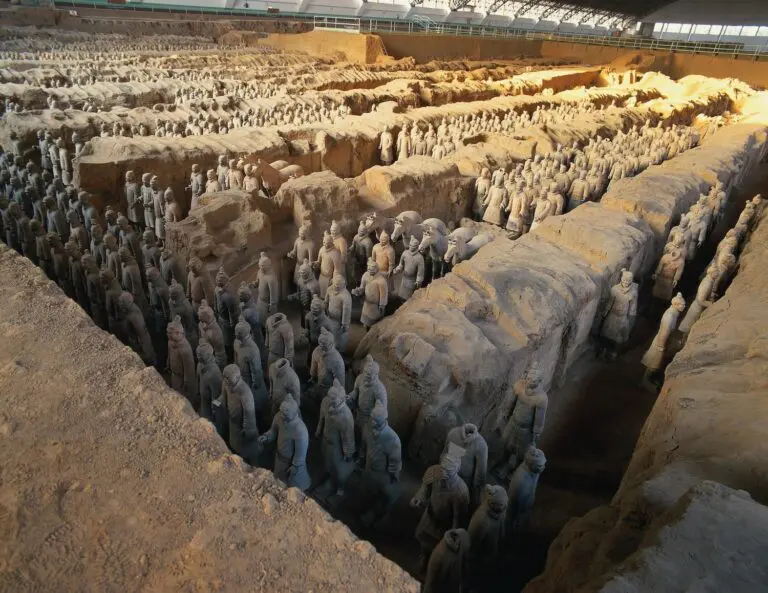




Experience the best of China on this 2-week China highlights tour with Yangtze cruise and pandas visit. Explore Beijing, Xi’an, Chengdu, Chongqing, and Shanghai, see world-famous landmarks, meet giant pandas, and enjoy a relaxing cruise through the scenic Three Gorges.

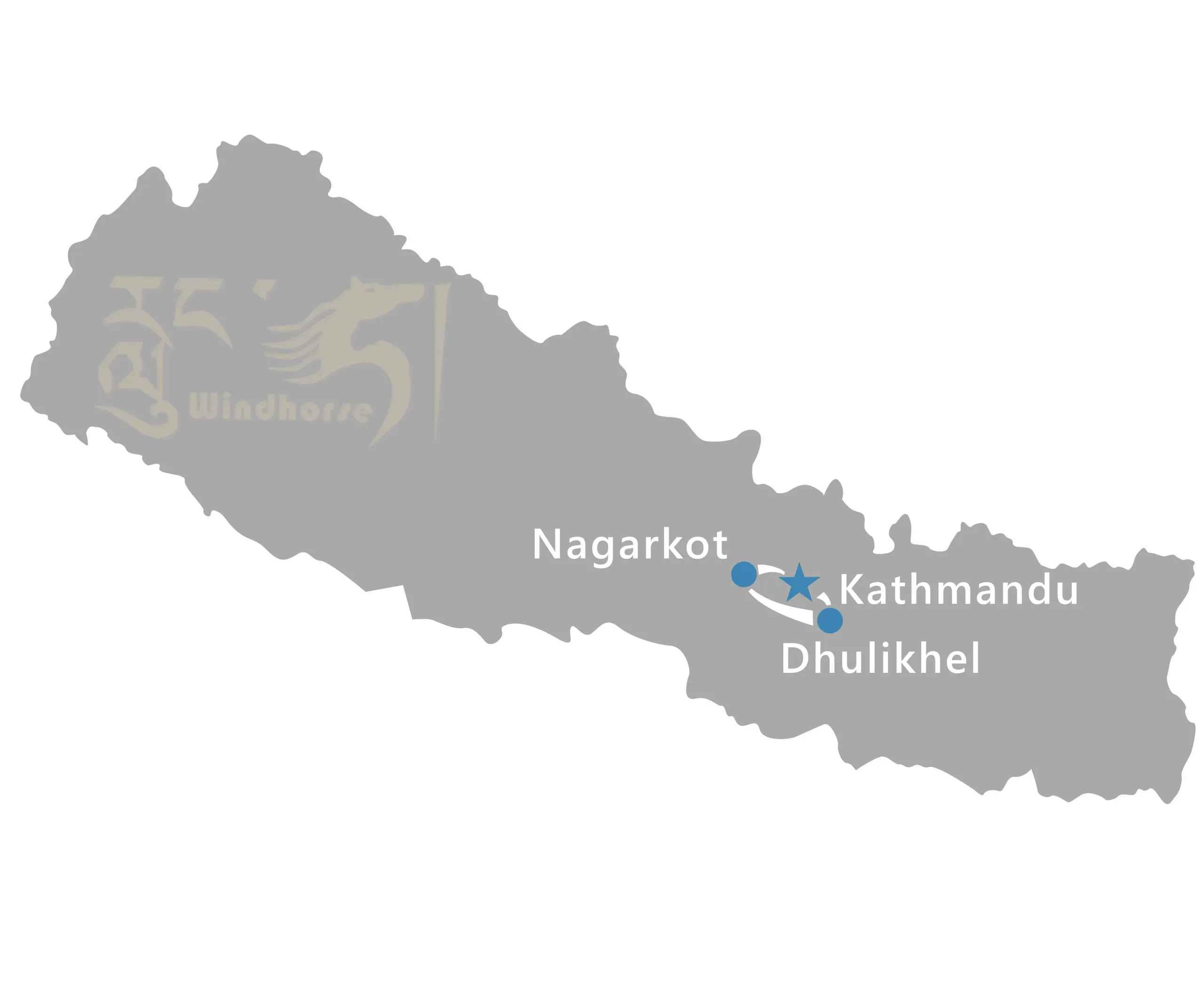



Explore the culture, nature and history within the hearts of every Nepali and their beautiful Kathmandu Valley. Enjoy exotic sites such as Pashupatinath Temple, Boudhanath Stupa and catch the most mesmerizing view of the sunrise at Nagarkto.