
Top 20 Local Foods you should try in Chengdu
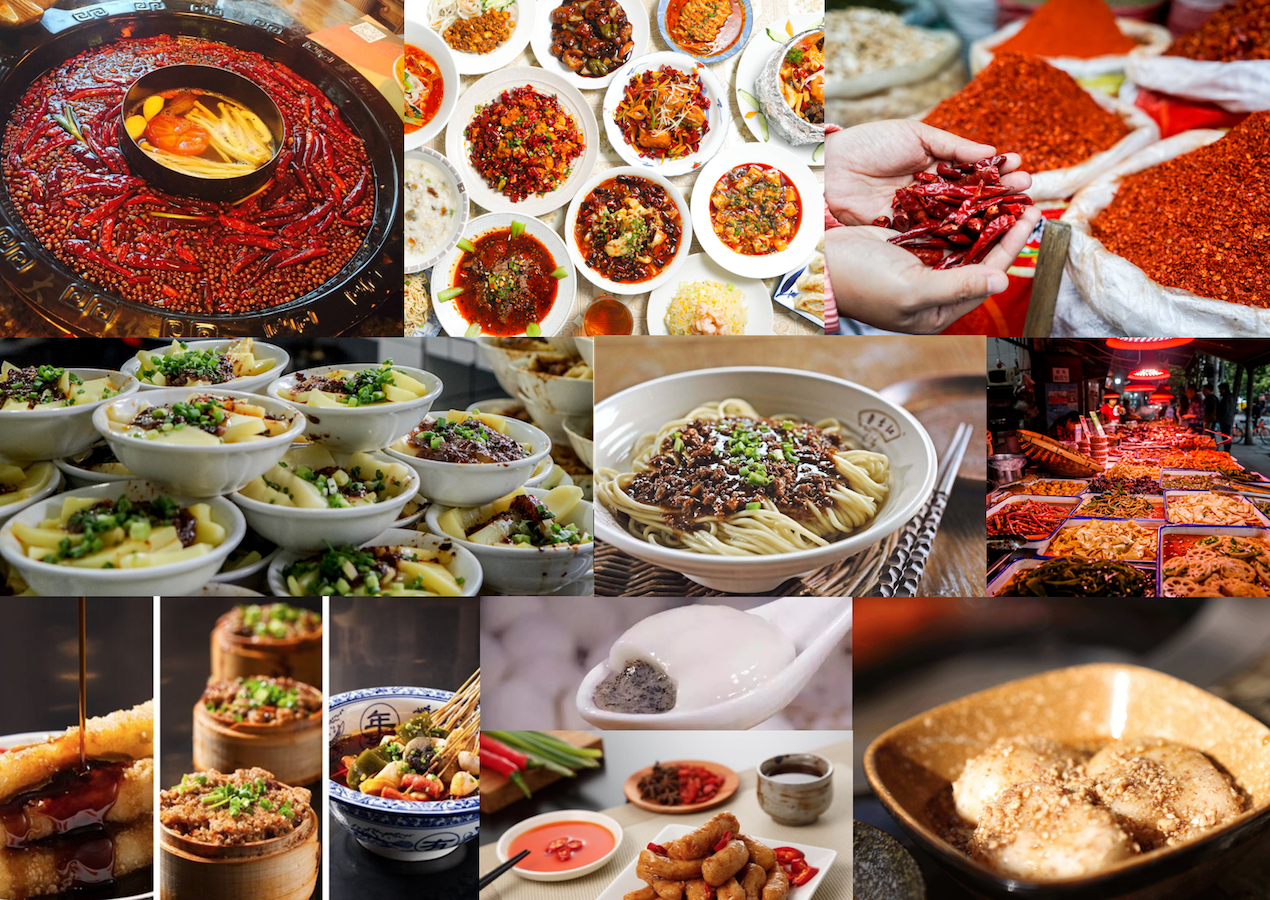
Chengdu food is one of the biggest reasons this vibrant city is loved by travelers from around the world. Often called the “Land of Abundance,” Chengdu is admired not only for its laid-back lifestyle, adorable pandas, and beautiful scenery, but especially for its unforgettable cuisine. With thousands of years of culinary heritage and a dazzling range of flavors, it has rightfully earned its place as a UNESCO “City of Gastronomy.” From colorful Sichuan dishes and spicy numbing hot pot to legendary street snacks like rabbit head, the city is a true paradise for food lovers.
Whether you’re dining at a humble fly restaurant or enjoying a gourmet meal, food is part of daily life from morning to night. If you’re planning a China tour, be sure to include Chengdu on your itinerary. This guide highlights 20 must-try local specialties from famous dishes to hidden gems that capture the essence of Chengdu cuisine and showcase the very best food in Chengdu.
.png)
Top 10 Must-try Snacks in Chengdu
Chengdu boasts a rich variety of snacks known for their exquisite preparation, carefully selected ingredients, and diverse flavors. These snacks are celebrated for their appealing appearance, aroma, and taste. According to statistics, Chengdu offers around 200 types of snacks, including local favorites like Long Chaoshou (wonton), Zhong Shui Dumplings, Dan Dan Noodles, and Fuqi Feipian (sliced beef and ox tongue in chili sauce). Snack shops make up nearly one-third of all eateries, and you can find snack bars on almost every street corner.
Sandapao 三大炮
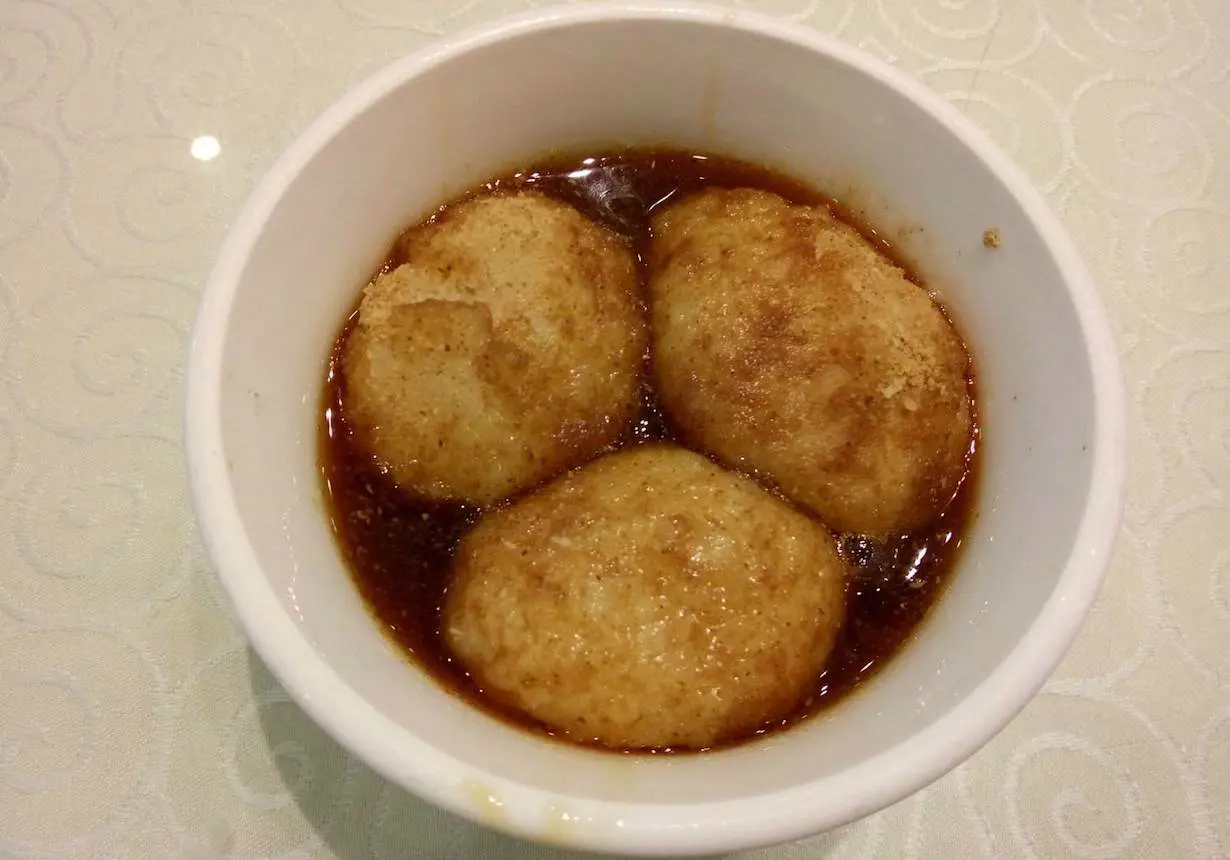
Known as “Three Cannonballs” (Sandapao), this is one of Chengdu’s most distinctive snacks and a must-try for visitors. Made primarily from glutinous rice and sweet bean flour, it has a taste similar to Beijing’s famous snack “Rolling Donkey,” but Sandapao is slightly sweeter thanks to the red syrup drizzled on top.
What sets Sandapao apart isn’t just its flavor; it also engages your sense of hearing. During preparation, the glutinous rice balls are thrown with force onto a metal tray, producing a loud “Dang! Dang! Dang!” sound, like cannonballs hitting the ground. This unique presentation adds an element of fun to the experience.
You’ll find the best places to try this iconic snack along popular food streets like Jinli Street, the Wide and Narrow Alley and Wenshu monastery street.
Long Chao Shou 龙抄手
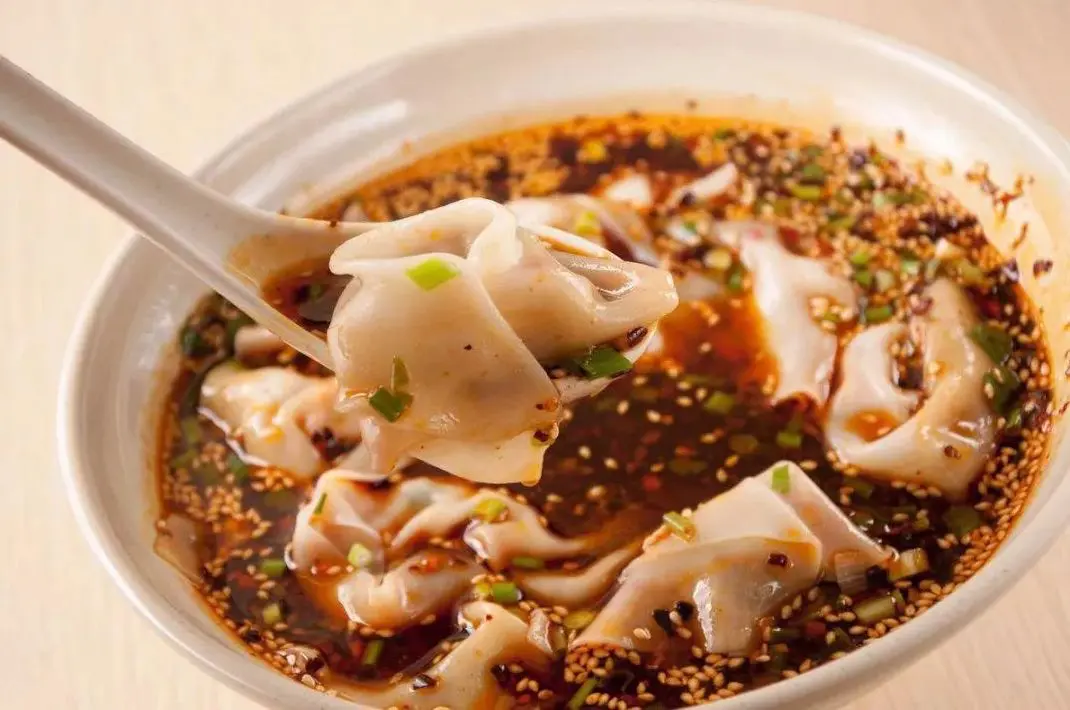
Similar to dumplings, Long Chao Shou is also filled with pork and vegetables, but features a thinner wrapper and is typically served in a flavorful broth. It is a famous traditional snack in Chengdu, and “Chaoshou” is the local Sichuanese term for wontons.
The renowned “Long Chaoshou” restaurant was first established in 1941 at Yuelai Market in Chengdu. It later moved to the New Market in the early 1950s, and then to the southern section of Chunxi Road in the 1960s. With a history spanning over 60 years, Long Chaoshou has become a beloved culinary icon in the city.
Lai Tang Yuan 赖汤圆
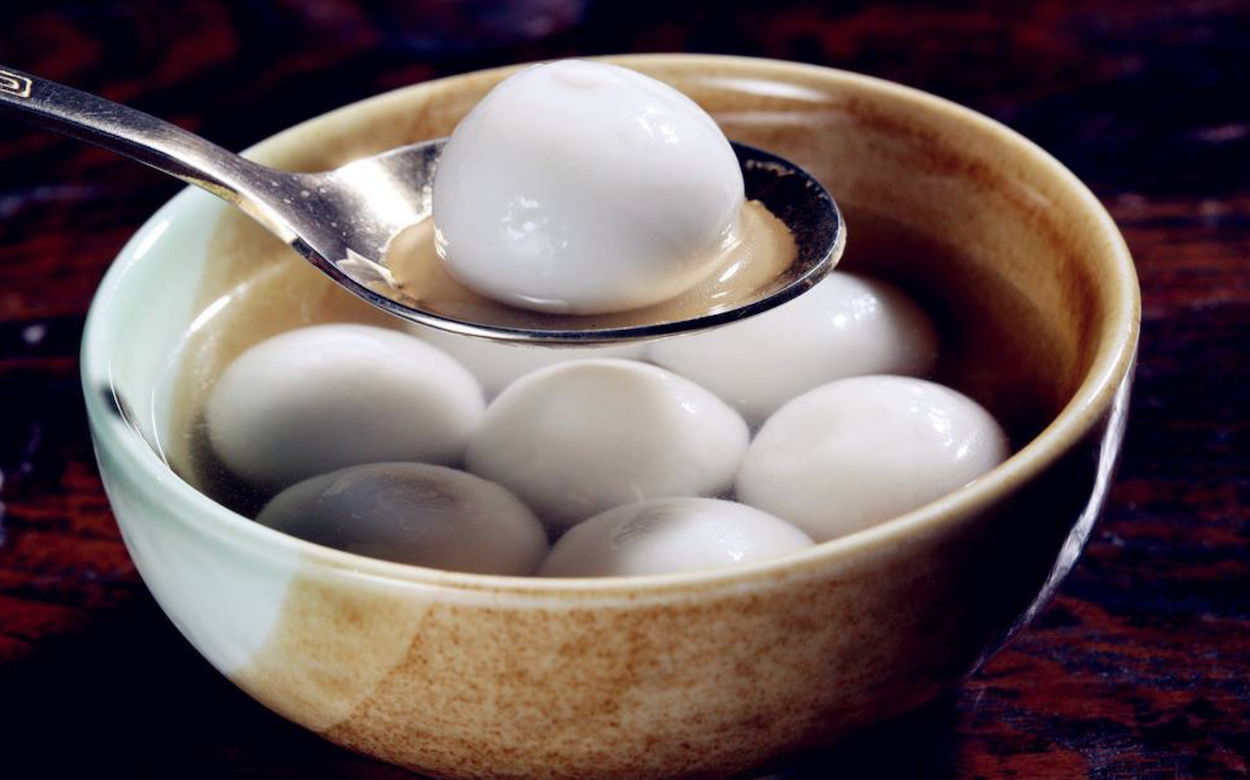
Lai Tangyuan is one of the most famous and beloved traditional snacks in Chengdu. These glutinous rice balls are known for their smooth white appearance, soft and chewy texture, and rich, sweet sesame filling. Nutritious and satisfying, they have long been a local favorite.
Founded in 1894, Lai Tangyuan has a history of over a century and has consistently upheld the high quality and reputation of this time-honored delicacy.
Lai Tang Yuan 赖汤圆
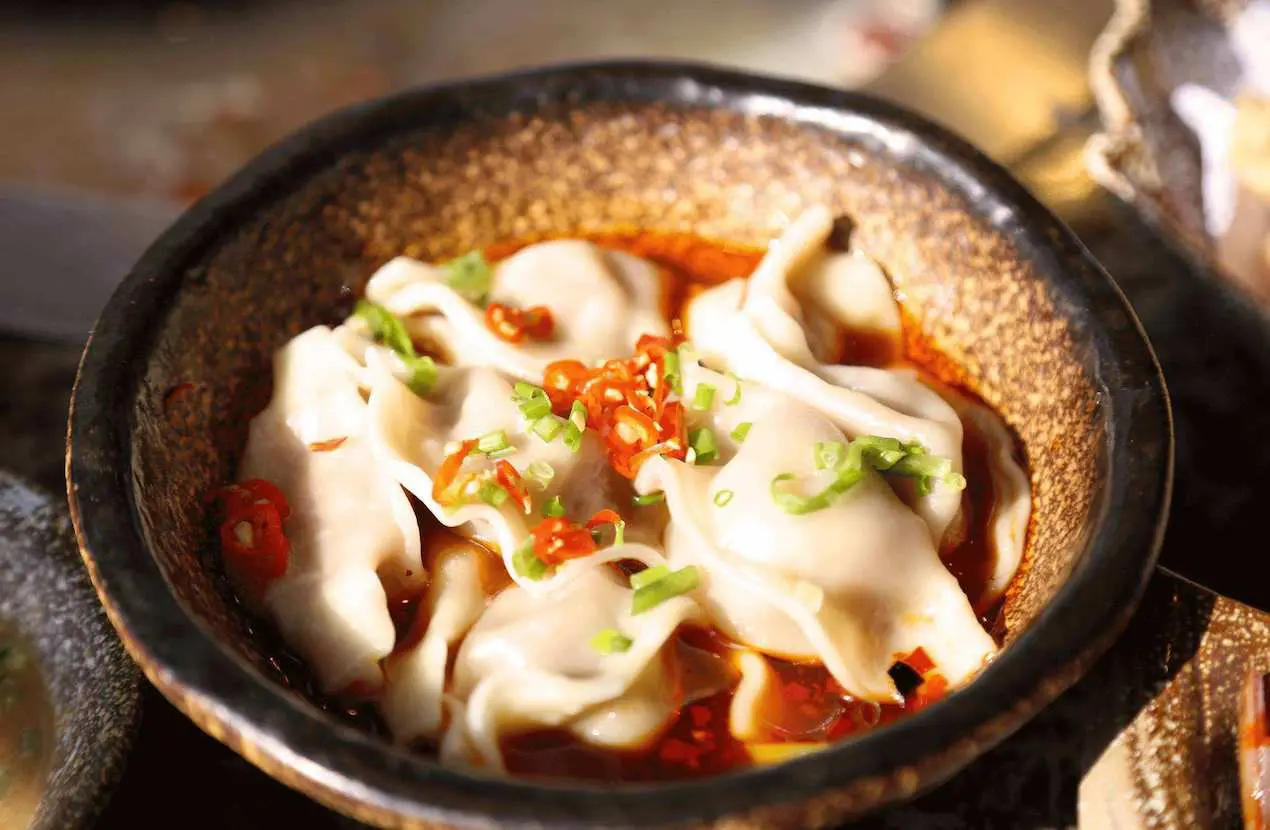
Zhong Shui Jiao is one of Chengdu’s most renowned traditional snacks, with a history of over a hundred years. Celebrated both in China and abroad for its distinctive flavor, it has earned titles such as “Chinese Time-honored Brand,” “Famous Chinese Snack,” and “Green Catering Enterprise.”
Unlike northern Chinese boiled dumplings, Zhong Shui Jiao is filled exclusively with pork, without the addition of fresh vegetables. What truly sets it apart is the special red chili oil poured over the dumplings when served. This sauce is slightly sweet, mildly salty, spicy, and full of character, giving the dumplings their signature rich and layered taste.
Dandan Noodles 担担面
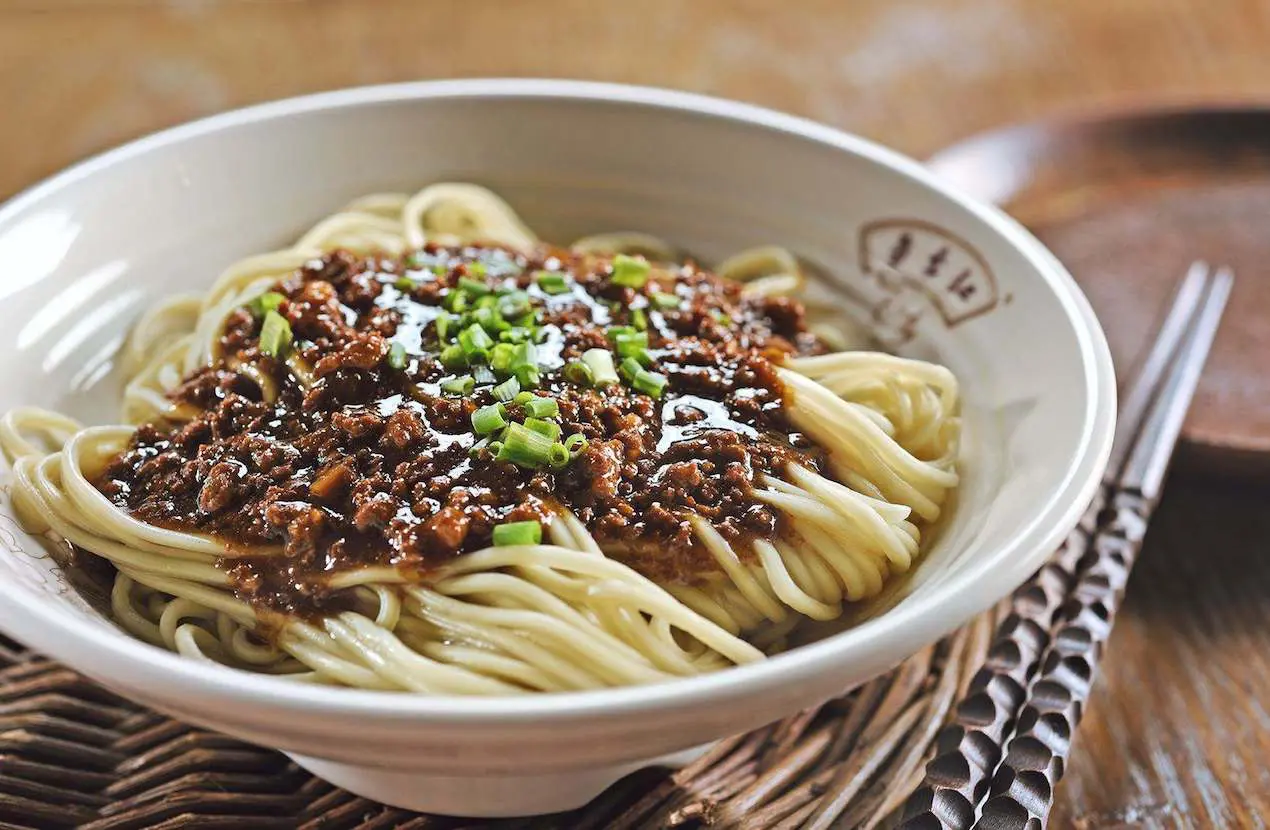
Dandan Noodles are a signature dish of Sichuan cuisine and a must-try for anyone exploring its bold flavors. The name “Dandan” comes from the traditional way vendors once carried and sold the noodles using shoulder poles at river docks.
Authentic Dandan Noodles are made with hand-pulled, thin noodles crafted from wheat flour. One of the key ingredients is Sichuan Cardamine bean sprouts, which add a unique flavor and texture. Typically served in small bowls, Dandan Noodles are known for their delicate presentation, topped with fragrant red chili oil, crunchy peanuts, and a rich, spicy-savory sauce. Though the portions are small, each bowl packs a flavorful punch that keeps you coming back for more.
Tofu Pudding 豆花
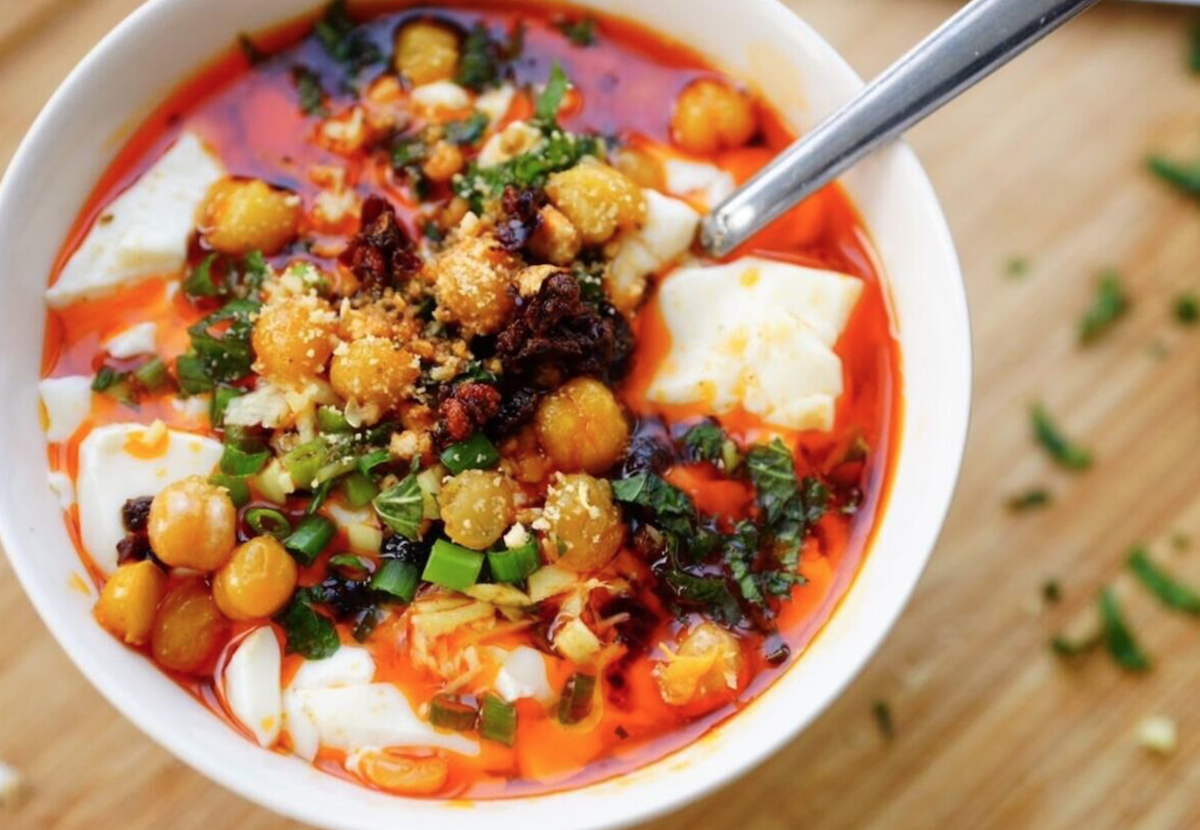
Tofu pudding is a popular home-style delicacy in Sichuan, known for its firmer texture compared to jellied bean curd. For those who enjoy bold flavors, options like Sanzi Tofu Pudding or Spicy Numbing Tofu Pudding offer a savory and spicy twist.
On hot days or after eating spicy food, a bowl of ice cold tofu pudding, also called ice drunk beancurd, is the perfect refreshment. Cool, smooth, and mildly sweet, it provides a heat-relieving effect similar to ice cream.
To experience a full range of tofu pudding flavors, we highly recommend Xiao Tan Dou Hua, a time-honored shop that truly represents the Taste of Chengdu. Carrying generations of culinary heritage, this beloved eatery serves tofu pudding that is rich, silky, and so tender it melts in your mouth.
Roasted Rabbit Head 兔头
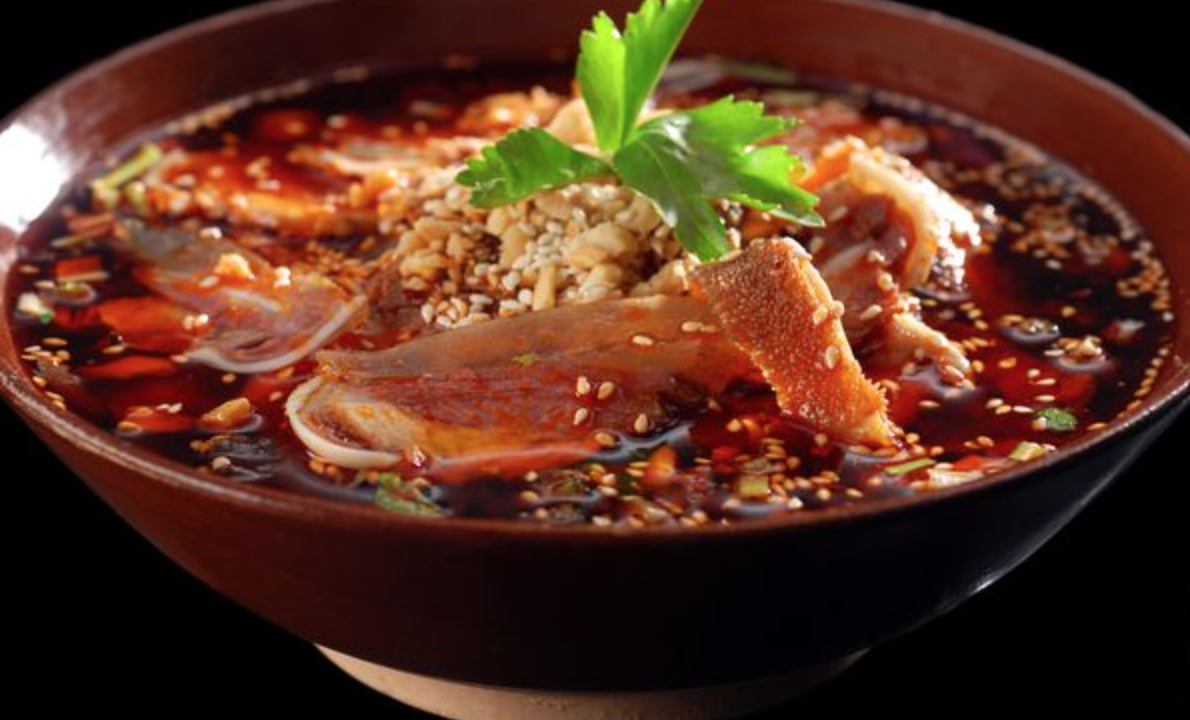
Fuqi Feipian, also known as Husband and Wife Lung Slices, is a traditional and renowned dish from Chengdu, originally created by Guo Chaohua and his wife Zhang Tianzheng. Despite the name, the dish rarely includes actual lung. Instead, it features ingredients like beef scalp, heart, tongue, tripe, and other cuts of beef, which are marinated and thinly sliced.
The slices are then topped with a rich red chili oil made from Sichuan pepper powder and other spices, resulting in a dish that is beautifully presented, tender, spicy, aromatic, and bursting with flavor.
In May 2017, Fuqi Feipian was ranked number one on the “2017 American Dining Ranking List” by Brett Martin, published in GQ magazine, and was also honored as the “Appetizer of the Year.” Interestingly, its English translation in the article was given as “Mr. and Mrs. Smith.”
Roasted Rabbit Head 兔头
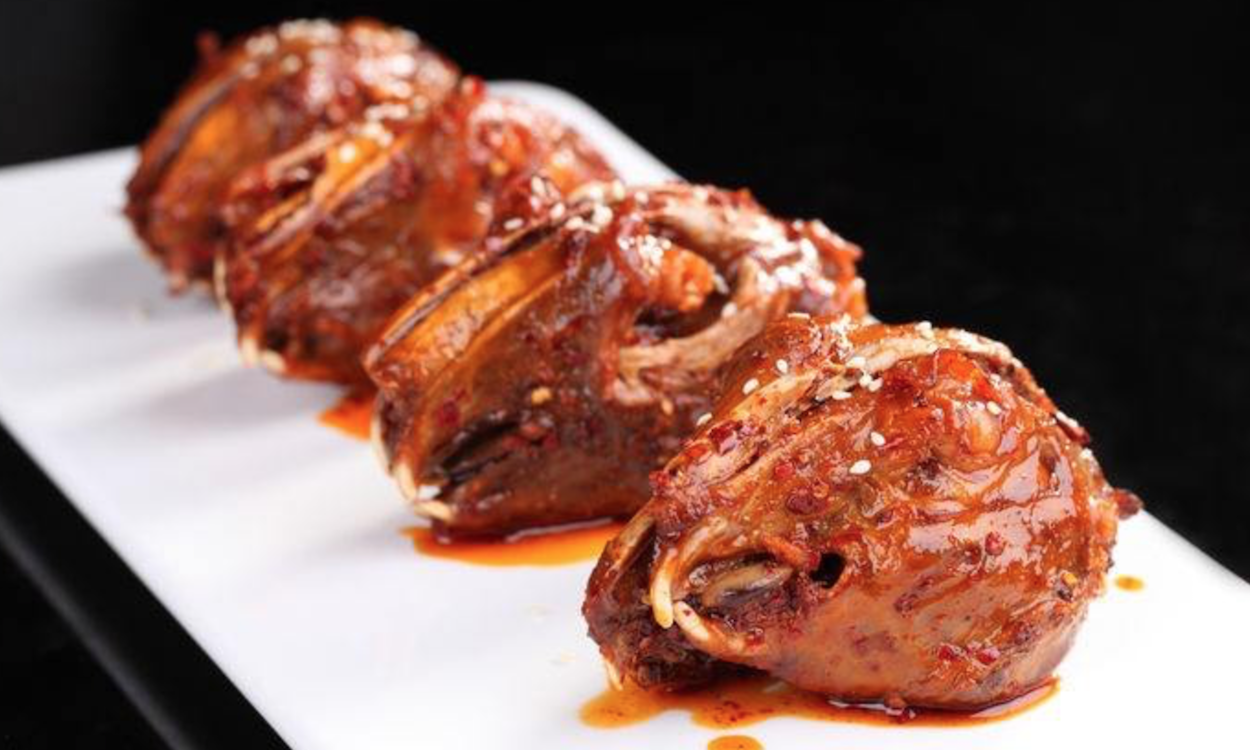
Rabbit head, often considered a “dark cuisine” that may startle foreigners, is a beloved delicacy that countless Chengdu locals can’t resist. According to reports, people in Sichuan consume between 200 to 300 million rabbit heads each year, and Chengdu alone accounts for at least 90% of that number.
Whether roasted or braised, rabbit head is a must-try for adventurous eaters visiting Chengdu. One of the most famous brands is Shuangliu Laoma Tutou, known for its rich flavors and authentic preparation. While the original location is in the Shuangliu district on the outskirts of the city, there are now many branches across Chengdu, making it easy to enjoy this iconic snack within the urban area.
Rabbit heads typically come in two flavors: numbing and spicy or five spice. Despite their intimidating appearance, they have no unpleasant odor, only layers of bold, savory, and spicy flavor that make them irresistibly addictive.
Bo Bo Chicken 钵钵鸡
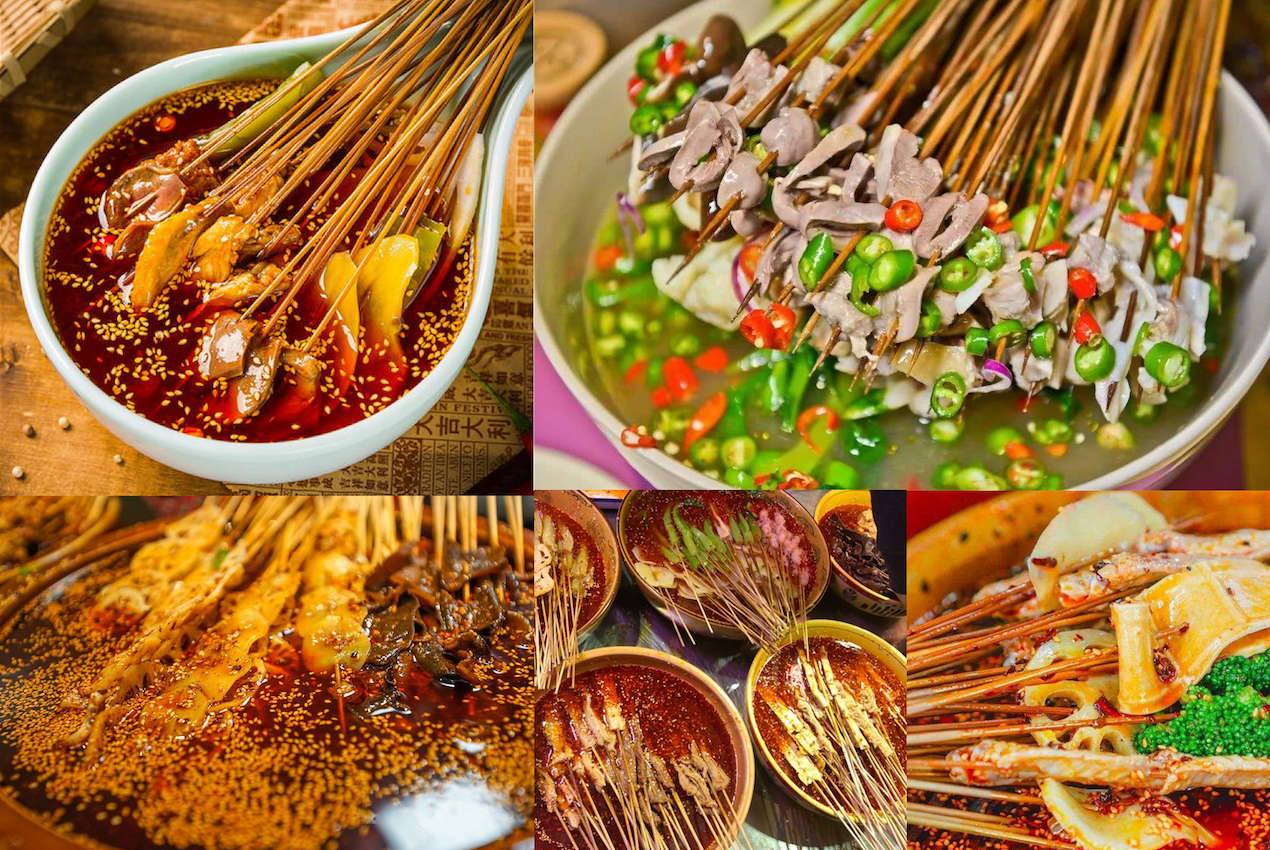
Bobo Chicken has become a signature representative of Chengdu street snacks, typically served with two types of soup bases: red chili oil and rattan pepper. However, its origins trace back to Leshan, Sichuan, where it has been enjoyed since the Qing Dynasty, giving it a history of several hundred years. Today, this flavorful dish is a common and beloved street food in Chengdu.
The red oil used in Bobo Chicken is bright, aromatic, and spicy. Ingredients are first cooked, then cooled and soaked in the flavorful broth to absorb its essence. Just before serving, the dish is topped with plump white sesame seeds, making it visually tempting and mouthwatering.
The red oil itself is more than just spicy, it carries deep, layered flavors. It begins with chicken broth that is simmered for hours, and each shop enhances it with its own secret recipe, creating a uniquely delicious experience in every bowl.
Guokui 锅盔
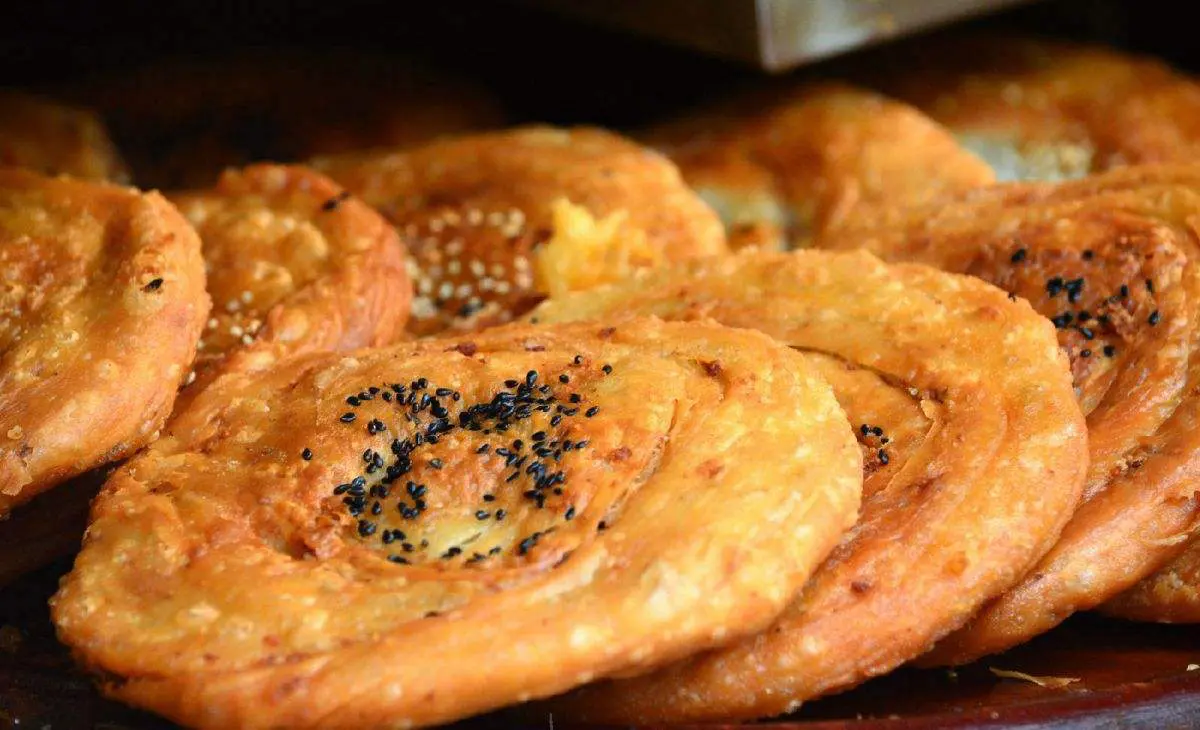
Guokui is a traditional delicacy from both Sichuan and Shanxi, typically fried and then baked. Unlike versions found in other regions, Sichuan-style Guokui comes with a wide variety of fillings. The most popular options include pork belly, beef, and brown sugar. When you take a bite, the aroma of the freshly cooked Guokui bursts out, and you can even hear the satisfying crackle of its crisp outer layer.
In Chengdu, this snack is also known as Guoguo or Juntun Guoguo, originating from Juntun Township in Pengzhou, Sichuan. According to legend, during the Three Kingdoms period, Zhuge Liang instructed General Jiang Wei to lead troops to rest and train horses in Junle Town, Pengzhou. The name “Juntun” came from this military history, and today’s Guokui is believed to have evolved from the dry rations once prepared for soldiers.
Top 10 Must-try Dishes in Chengdu
Chengdu is the ultimate destination to savor the rich and diverse flavors of Sichuan cuisine. In addition to its wide array of local snacks, the city offers hundreds of mouthwatering dishes worth trying, including the world-famous hot pot, twice-cooked pork belly, Kung Pao chicken, Mapo tofu, and more. To help you start your culinary journey, we’ve selected the top 10 must-try dishes for your inspiration.
Chengdu Hot Pot 成都火锅
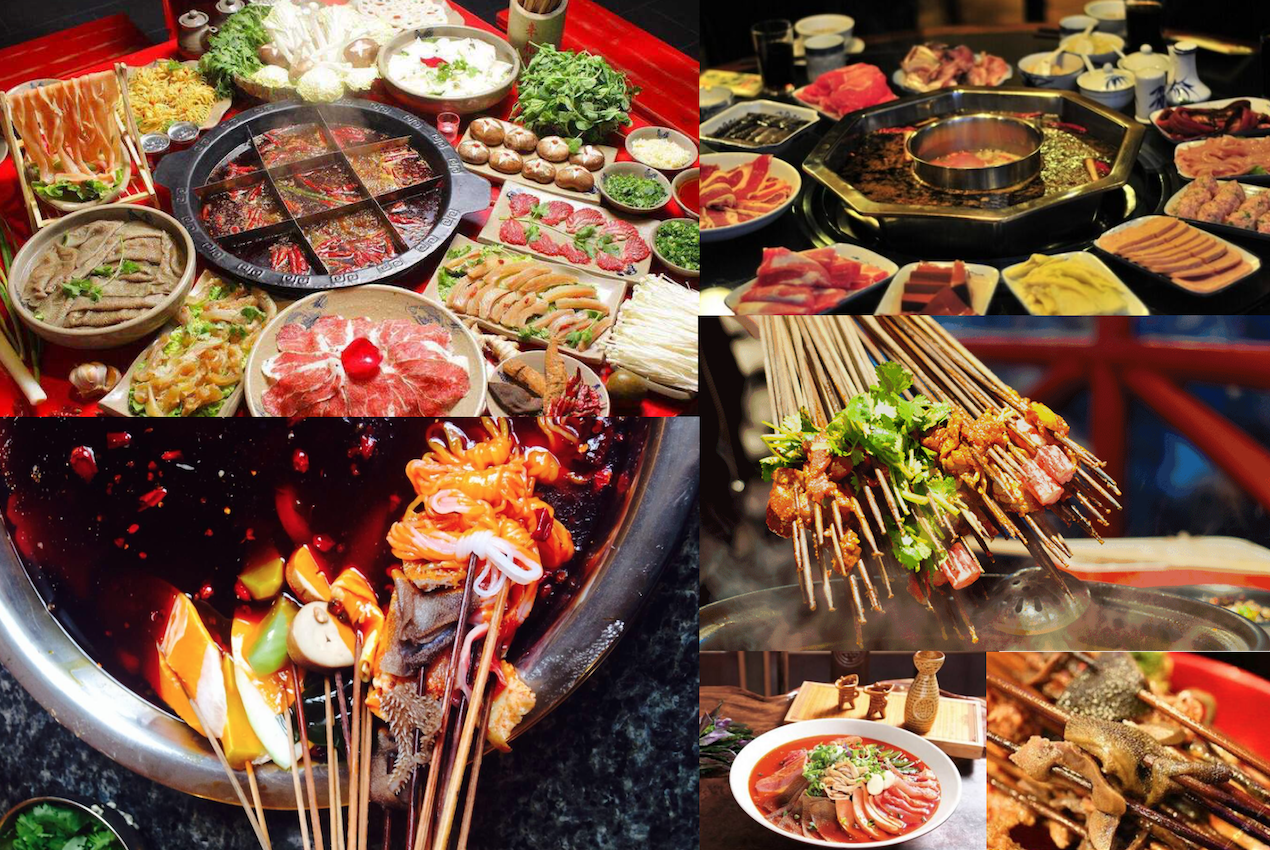
Hot pot is one of Chengdu’s most iconic and beloved dishes, deeply woven into the city’s culinary culture. It’s more than just a meal—it’s a social ritual. Family, friends, and colleagues gather around a bubbling pot, sharing laughter, conversation, and a wide variety of flavorful bites. The warm, lively atmosphere reflects Chengdu’s relaxed and communal lifestyle.
Hot pot in Chengdu comes in many styles. You’ll find the bold and spicy classic red pot (红锅), the yuanyang pot (鸳鸯锅) with both spicy and mild broths, and the nine-grid pot (九宫格火锅) that lets diners cook different ingredients separately. Each version offers a unique way to enjoy the rich flavors of Sichuan.
Some of Chengdu’s most popular hot pot restaurants include:
- Xiaolongkan Hotpot (小龙坎老火锅) – famous for nostalgic decor and deep, spicy broth
- Shujiuxiang (蜀九香) – known for its balanced flavors and high-quality ingredients
- Yuemandajiang (月满大江) – a rising favorite with bold flavors and stylish presentation
- Wuliguan (五里关火锅) – modern and creative with distinctive side dishes
- Huangcheng Laoma (皇城老妈) – blends hot pot with cultural performances
Beyond traditional hot pot, Chengdu also offers Chuan Chuan Xiang (串串香) and Maocai (冒菜). Chuan Chuan Xiang features bamboo skewers dipped in a shared hot broth, perfect for casual snacking. Maocai, often called “hot pot for one,” is a ready-to-eat bowl filled with ingredients and soup—ideal for solo diners. As locals say, “Maocai is hot pot for one person, and hot pot is Maocai for a group.”
Whether you’re enjoying a fiery red broth with friends or sipping Maocai alone, Chengdu’s hot pot scene promises a bold, authentic, and unforgettable experience.
Bang Bang Chicken 棒棒鸡
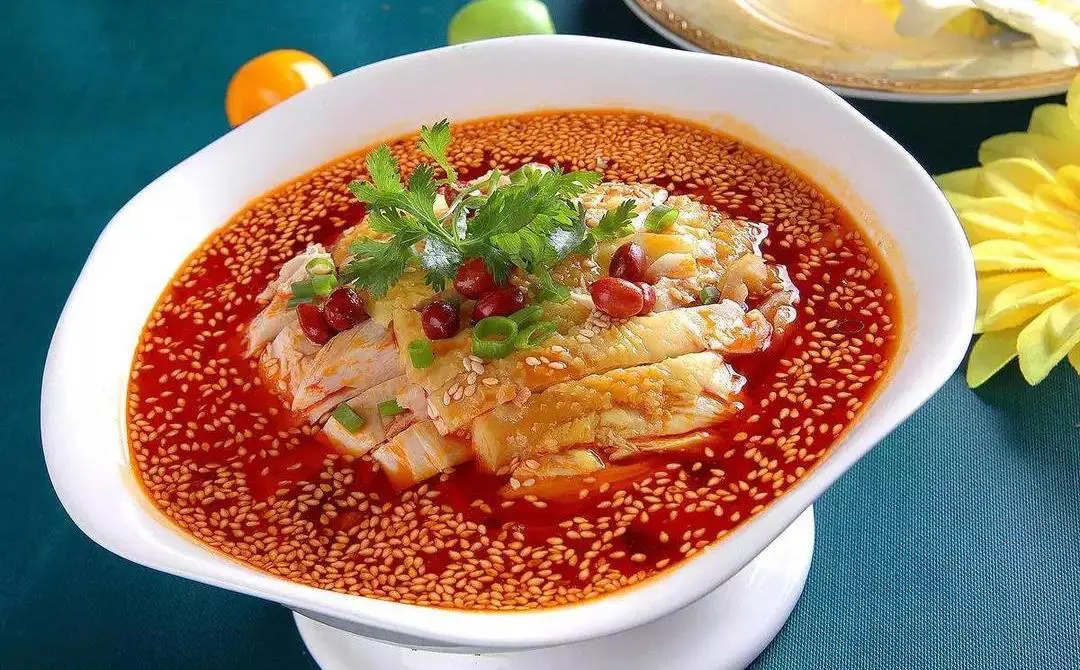
Bang Bang Chicken (棒棒鸡) is a classic cold dish that originated in Leshan and has been popular in Chengdu since the 1920s. Its name comes from the traditional method of preparing the chicken, where it was once tenderized by gently pounding it with a wooden stick before shredding it by hand. Although the stick is no longer used today, the name remains.
Modern Bang Bang Chicken is typically poached or steamed, then hand-shredded and served cold. It’s dressed in a rich sauce made with chili oil, soy sauce, vinegar, sesame paste, and other spices, and is often topped with crunchy peanuts, celery knots, or sesame seeds. The dish is flavorful, slightly sweet and spicy, and is especially popular as a snack or appetizer to pair with a glass of baijiu, Chinese liquor.
In Chengdu, two of the most well-known chains offering this dish are Liao Ji Bang Bang Chicken (廖记棒棒鸡) and He Ji Bang Bang Chicken (何记棒棒鸡). These popular takeout brands have multiple locations throughout the city and serve a wide variety of cold Sichuan-style dishes. While they don’t provide tables or seating for dine-in, their convenient and delicious offerings make them a favorite for locals and visitors alike.
Fish-Flavored Shredded Pork 鱼香肉丝
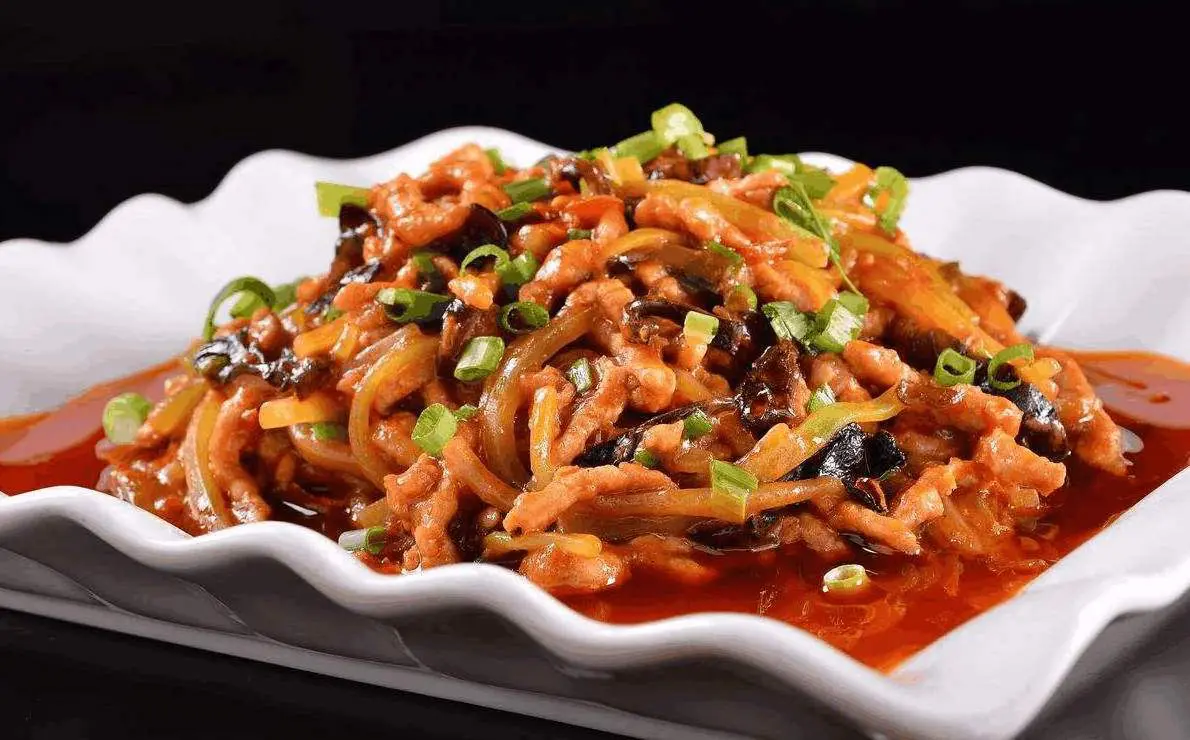
Fish-Flavored Shredded Pork (鱼香肉丝) is named after the renowned yuxiang, or “fish-flavored,” seasoning, a signature flavor profile in Sichuan cuisine. Despite the name, the dish contains no fish. Its distinctive taste comes from a harmonious blend of pickled red chili, ginger, garlic, scallions, soy sauce, sugar, and vinegar. These ingredients were originally used in traditional Sichuan fish dishes but have since been adapted to enhance the flavor of various meats and vegetables.
The dish typically features lean cuts of pork, such as tenderloin or pork fillet, which are finely shredded and quickly stir-fried to achieve a tender texture. The finished dish has a glossy reddish hue, a soft and juicy bite, and a well-balanced mix of savory, sweet, sour, and mildly spicy flavors that define the fish-flavored style.
Another beloved dish that showcases this flavor is Yuxiang Eggplant (鱼香茄子). Made with tender eggplant braised in the same fragrant sauce, it is equally popular and widely cherished for its rich and satisfying taste.
Today, the yuxiang flavor is a staple in Sichuan cooking, celebrated for its depth, complexity, and versatility in bringing out the best in a variety of ingredients.
Twice-cooked Pork Belly 回锅肉
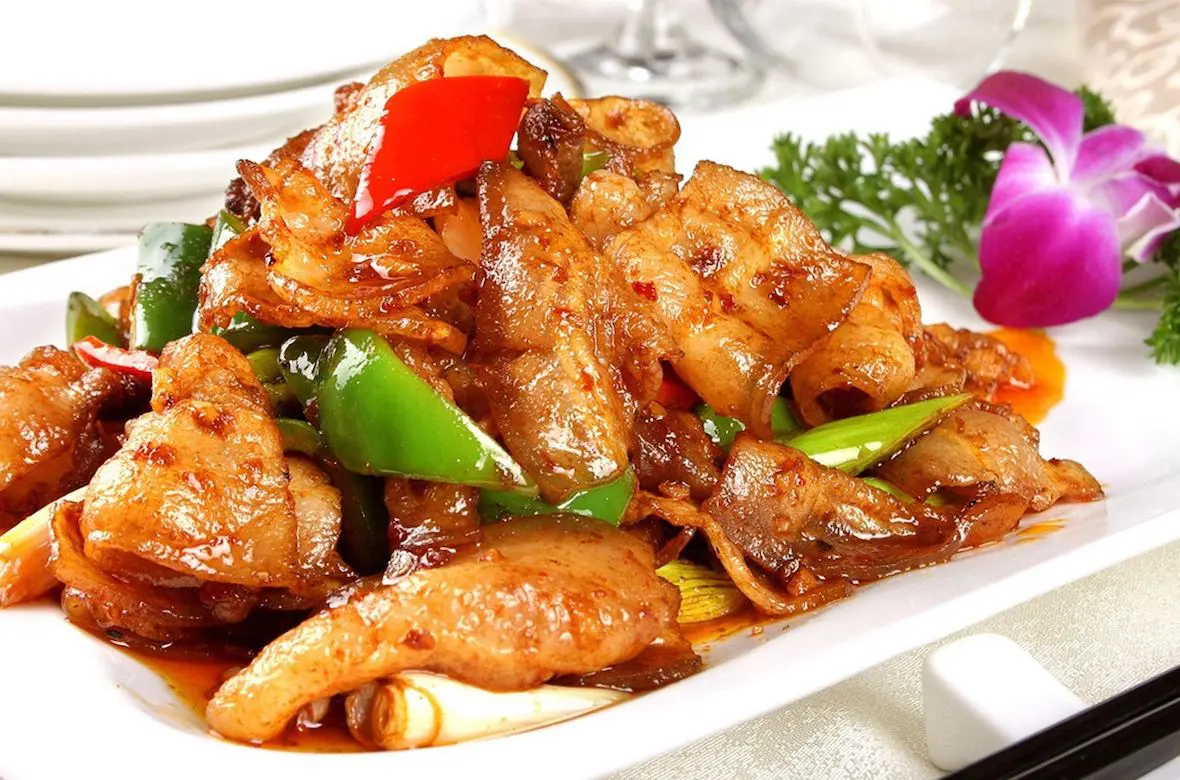
Twice-cooked pork (回锅肉) is a traditional dish in Sichuan cuisine, known for its unique flavor, bright red color, rich taste, and texture that is fatty but not greasy. The main ingredients include pork belly, green peppers, garlic sprouts, and seasonings such as doubanjiang (fermented chili bean paste), soy sauce, and garlic. It delivers a strong, savory flavor that lingers on the palate.
The dish originated in the rural areas of Sichuan. In ancient times, it was known as “oil pan meat” and was commonly prepared in household kitchens. The term “twice-cooked” refers to the method of first simmering the pork, then slicing and stir-frying it again with other ingredients.
Twice-cooked pork holds a very important place in Sichuan cuisine. Many consider it the most iconic dish of the region—an embodiment of Sichuan’s bold, layered flavors. When people think of Sichuan food, twice-cooked pork is often the first dish that comes to mind.
Kung Pao Chicken 宫保鸡丁
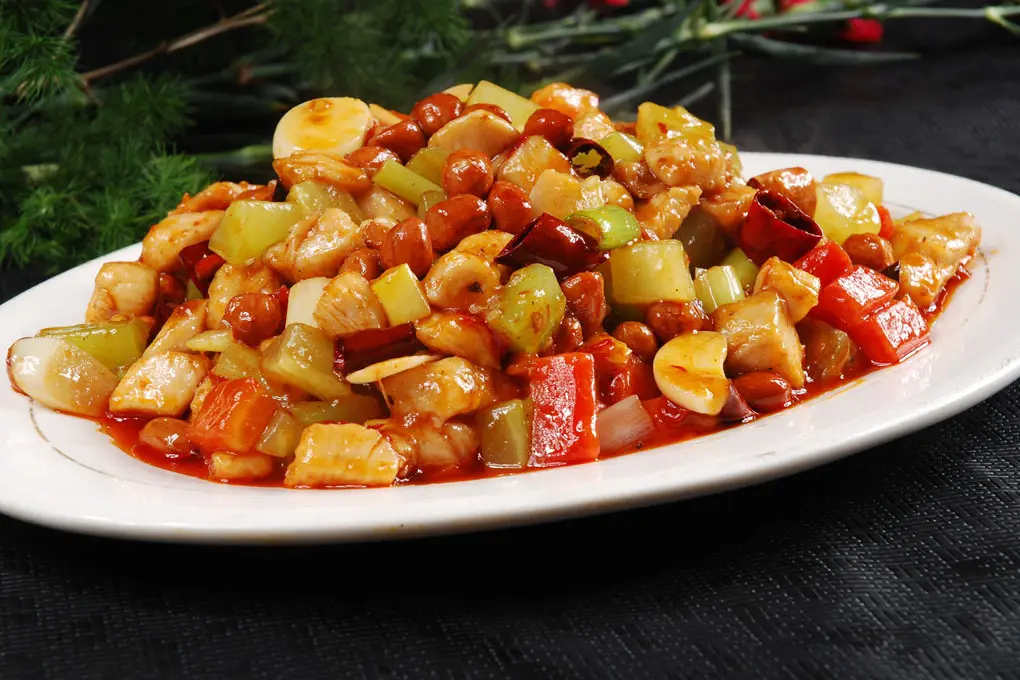
Kung Pao Chicken (宫保鸡丁) is a famous traditional Chinese dish that enjoys popularity both in China and around the world. It is featured in several regional cuisines, including Shandong, Sichuan, and Guizhou, each with its own variations in ingredients and preparation methods. The classic Sichuan-style version is made with diced chicken, dried red chilies, peanuts, and a savory-sweet sauce, creating a perfect balance of spicy heat, tender chicken, and crunchy peanuts.
Thanks to its bold flavor and appealing texture, Kung Pao Chicken has become a global favorite—especially in Western countries such as the United Kingdom and the United States. In many places, it has become almost synonymous with Chinese food, holding a status similar to that of spaghetti in Italian cuisine. Its wide recognition and popularity abroad make it one of the most iconic Chinese dishes internationally.
Mapo Tofu 麻婆豆腐
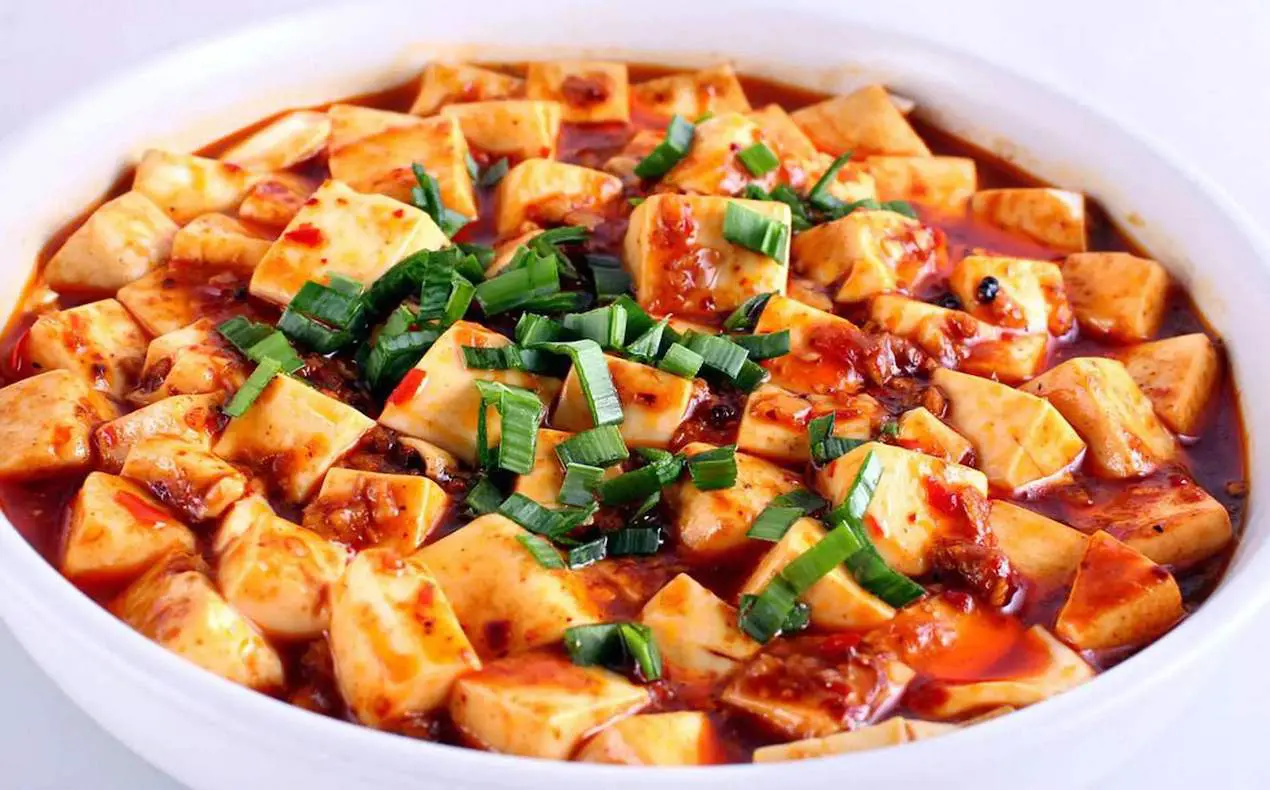
Mapo Tofu (麻婆豆腐) is one of the most iconic dishes in Sichuan cuisine, best known for showcasing the region’s signature “numbing and spicy” flavor. Created in 1862 during the first year of the Tongzhi reign in the Qing Dynasty, the dish was originally invented by a woman nicknamed “Mapo” (meaning “pockmarked old woman”) who ran a small restaurant in Chengdu.
The main ingredients include soft tofu, ground beef (or sometimes pork), dried chili, and Sichuan peppercorn. The numbing sensation comes from the Sichuan pepper, while the heat comes from the chili—creating the bold, complex flavor known as mala. The dish is typically seasoned with doubanjiang (fermented chili bean paste), garlic, and fermented black beans, giving it a deep, savory taste.
Mapo tofu is especially delicious when served over a bowl of steamed rice, making it a popular and comforting choice in both casual eateries and upscale restaurants. One of the most famous places to try it is Chen Mapo Tofu (陈麻婆豆腐) in Chengdu, which still serves the dish today in various portion sizes and price points, preserving its rich culinary heritage.
Laziji (Stir-fried Chicken with Sichuan Pepper and Chilli) 辣子鸡
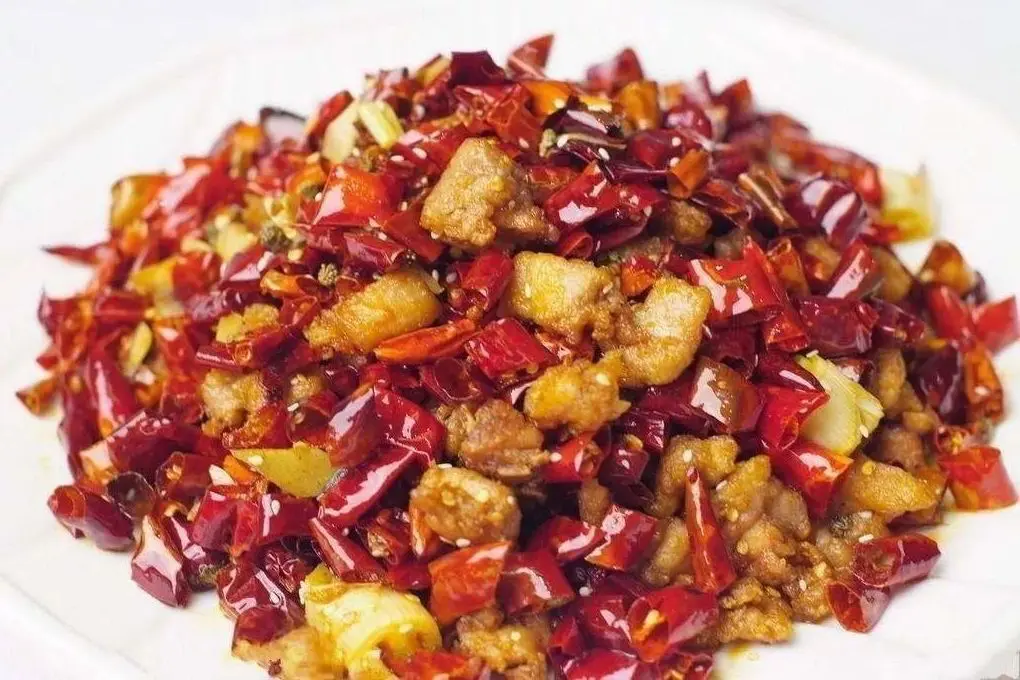
Laziji (辣子鸡) is a classic Sichuan home-style dish known for its bold flavor and vibrant appearance. Salty, numbing-spicy, and tender are the most prominent characteristics of this dish. It features bite-sized pieces of chicken that are deep-fried until golden and crispy—often fried multiple times for extra texture—then stir-fried with dried chilies, Sichuan peppercorns, and aromatic seasonings.
The cooking process begins by stir-frying green onion, ginger, and garlic in hot oil until fragrant. Sichuan chili bean paste (doubanjiang) is then added to release its deep red oil. The fried chicken is tossed with these ingredients, along with a generous amount of dried chili and Sichuan pepper, creating a rich, fresh, and numbing-spicy flavor.
With its golden red color and crispy texture, Laziji is festive in appearance and delivers a bold, unmistakable taste that represents the essence of Sichuan cuisine. Each bite of crispy chicken is packed with flavor, making it a favorite among spice lovers and a standout dish on any Sichuan menu.
Spicy Sichuan Water Boiled Fish/Pork/Beef 水煮鱼/肉片/牛肉
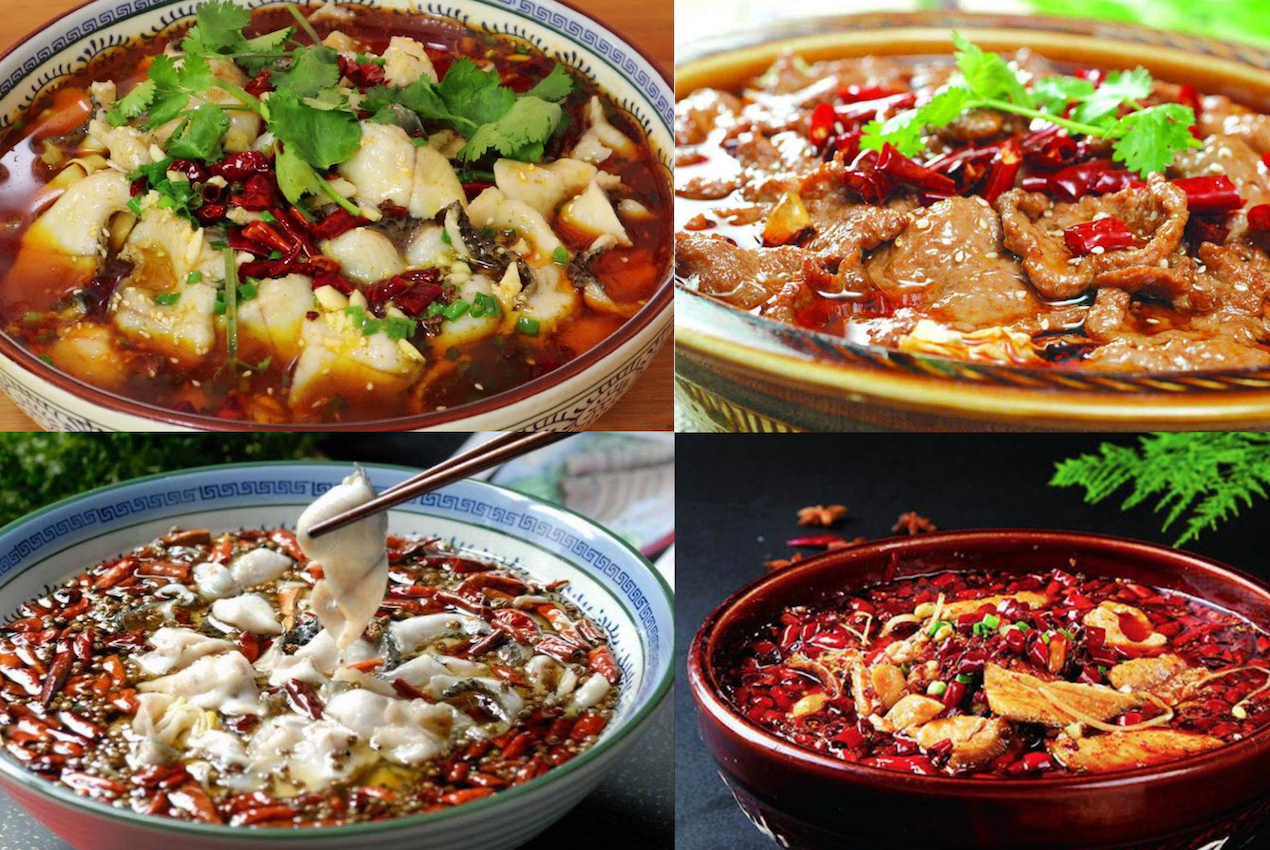
Due to Sichuan’s humid climate, spicy food is commonly chosen as a way to stimulate perspiration and help dispel internal moisture. Among the many spicy dishes, the “boiled” series (Shuizhu, 水煮) has become a signature of Sichuan cuisine and a shining example of the region’s bold culinary style.
Characterized by a fiery, flavorful broth and fresh, tender ingredients, Sichuan boiled dishes are crafted with a special cooking technique. Meats and vegetables are quickly blanched in a spiced broth, then topped with a generous layer of dried chilies, Sichuan peppercorns, garlic, and hot oil to release intense aromas.
Popular dishes such as Shui Zhu Yu (boiled fish水煮鱼), Shui Zhu Pork水煮肉片, and Shui Zhu Beef水煮牛肉 are known for their numbing-spicy flavor and succulent texture. These vibrant, intensely flavored dishes leave a lasting impression on visitors often, the spicier they are, the more irresistible they become. It’s no wonder that tourists and locals alike find themselves craving more with every bite.
Red Oil Rabbit 红油兔丁
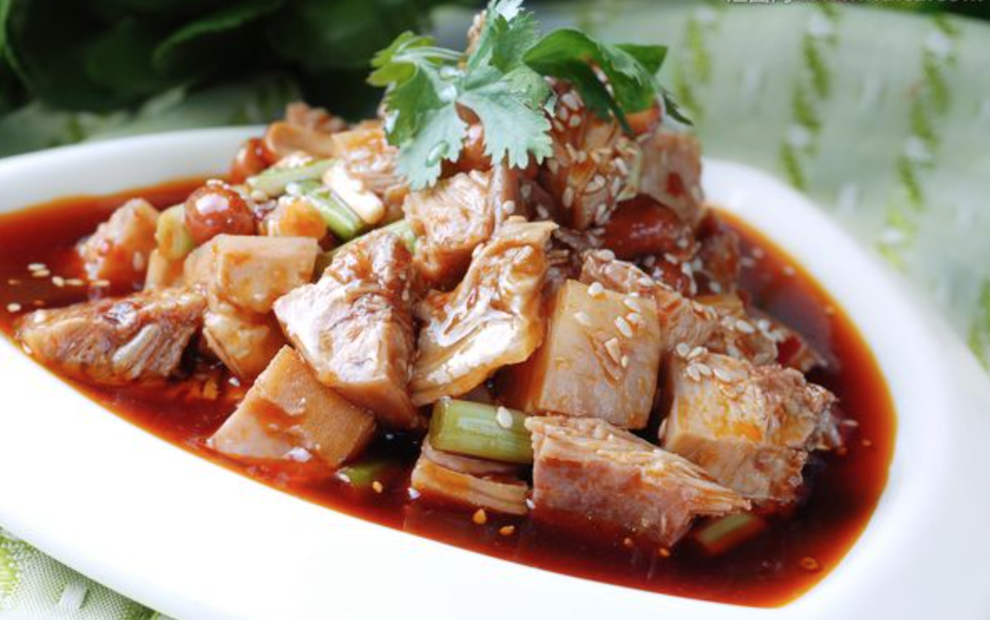
Red Oil Rabbit Cubes (红油兔丁) is a classic cold dish in Chengdu and a staple in many Sichuan-style cold dish restaurants. Loved for its bold flavor and tender texture, it features neatly cut cubes of rabbit meat tossed in a fragrant, spicy red chili oil sauce.
The dish is known for its bright red color and signature numbing-spicy taste, combining Sichuan peppercorns, dried chilies, and a touch of sweetness. The rabbit meat is smooth and tender, perfectly balanced by the richness of the sauce.
Top-quality ingredients are essential. The dish uses only fat and tender rabbit, with chilies like Erjingtiao and Chaotian pepper, and Sichuan peppercorns from Hanyuan. Soy sauce, fermented black beans, peanuts, and sesame are also carefully selected to enhance flavor.
With precise knife work, expert control of heat, and finely crafted red oil, this dish reflects the essence of Sichuan cold cuisine. Erjie Tuding (二姐兔丁) is one of the most recommended spots for trying the most authentic version.
Smoked Sausage 腊香肠
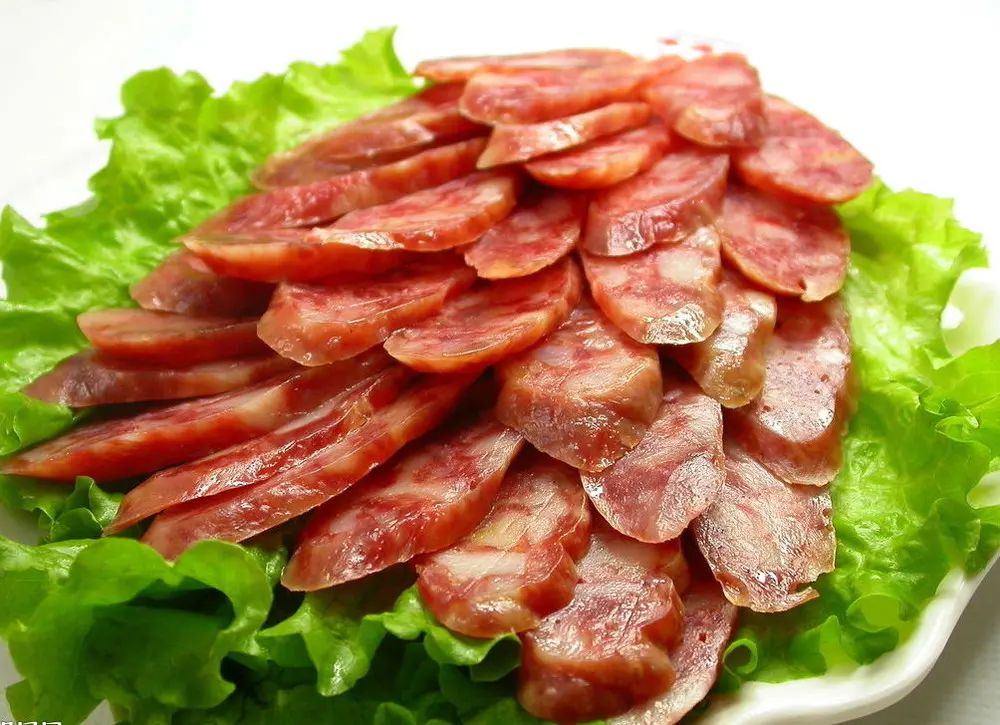
Spiced, dried, smoked pork sausage is a traditional delicacy in Sichuan cuisine, widely enjoyed by both the Han and Qiang ethnic groups. Known for its salty, numbing-spicy, and smoky flavor, this sausage is rich and satisfying, perfect for a variety of cooking styles.
Traditionally, these sausages were prepared in winter, especially as part of the Chinese New Year food preparations. The cold weather provided ideal conditions for curing, and families would make large batches to enjoy during the festive season. Today, however, many people make and eat them year-round, incorporating them into everyday meals.
The sausages are made by marinating chopped pork with chili, Sichuan peppercorns, salt, and spices, then stuffing the mixture into casings. After air-drying or smoking, the sausages develop a firm texture and deep, aromatic flavor. They can be steamed, stir-fried, or pan-fried. Steamed versions are especially fragrant and flavorful without being greasy.
Final Thoughts: Taste the Heart of Chengdu
Chengdu’s food scene is about more than just spice. It’s a celebration of flavor, tradition, and everyday life. These 20 must-try dishes and snacks reflect the city’s deep culinary roots and vibrant culture. Whether it’s the heat of hot pot, the numbing tingle of mala, or the crunch of a beloved street snack, every bite tells a story.
For food lovers, Chengdu is more than a destination. It’s an experience. Exploring its markets, snack stalls, and family-run eateries connects you to the heart of Sichuan.
Whether you’re here for the pandas or planning a full Chengdu tour with Chengdu local travel agency like WindhorseTour, be sure to savor the flavors that make this UNESCO City of Gastronomy truly unforgettable.
Related tours

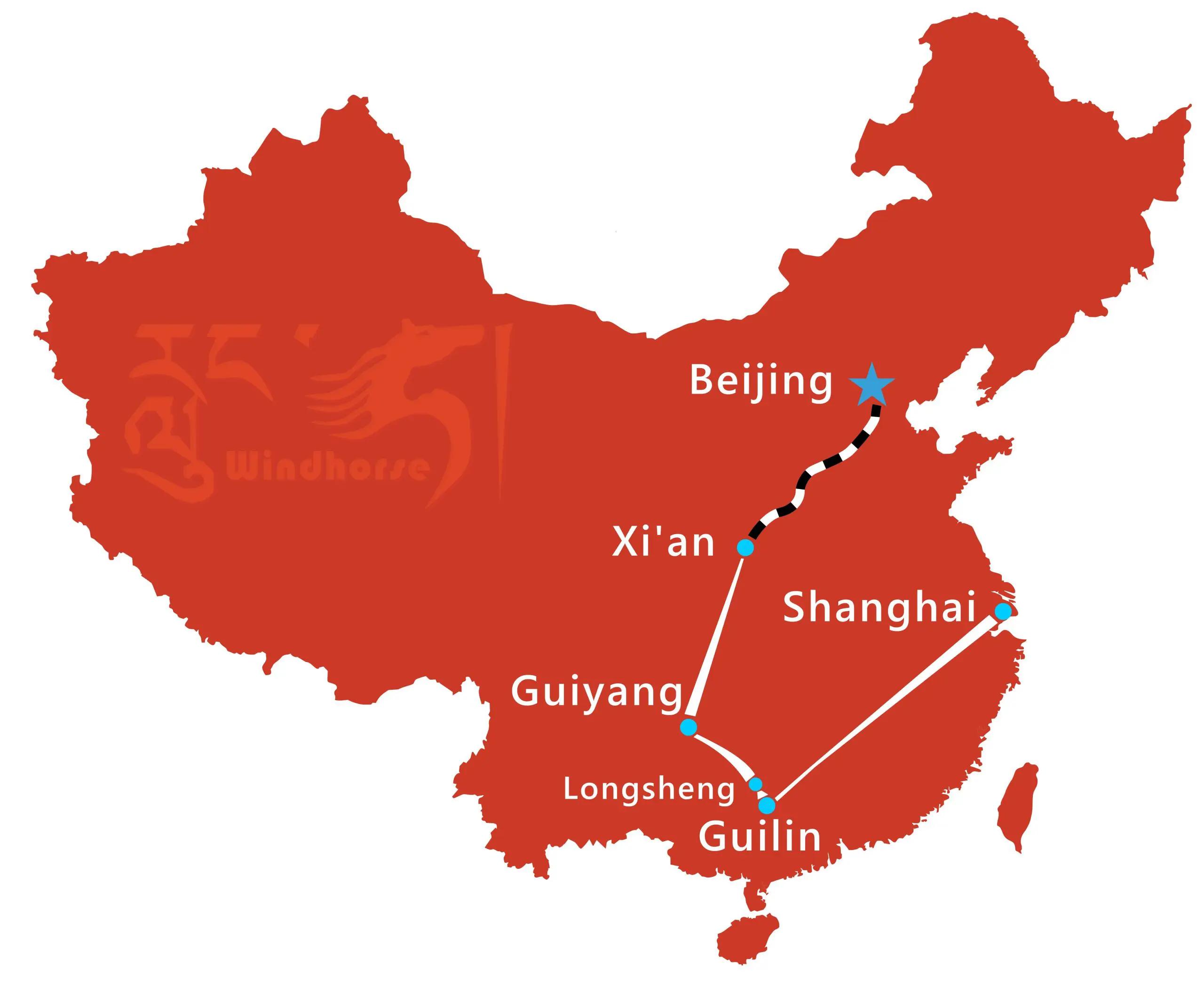






Discover China’s cultural diversity on this 2-week China minority tour. Travel through Guizhou and Guangxi to visit Miao, Dong, and Zhuang villages, while also exploring the classic highlights of Beijing, Xi’an, Guilin, and Shanghai.


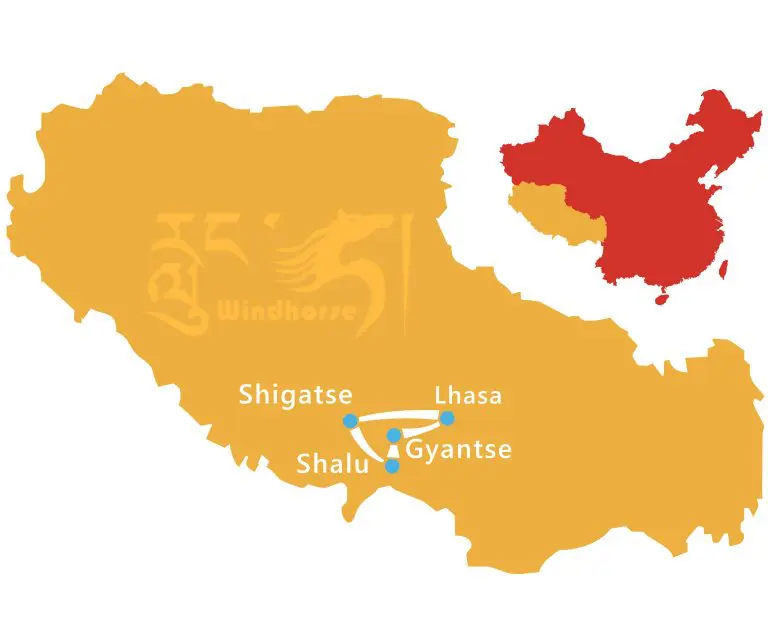




This 8-day Shalu to Nartang Monastery Trek combines Tibetan culture and easy trekking. Walk through quiet villages, barley fields, and dry valleys between two historic monasteries near Shigatse, offering a glimpse into authentic Tibetan life and scenery.

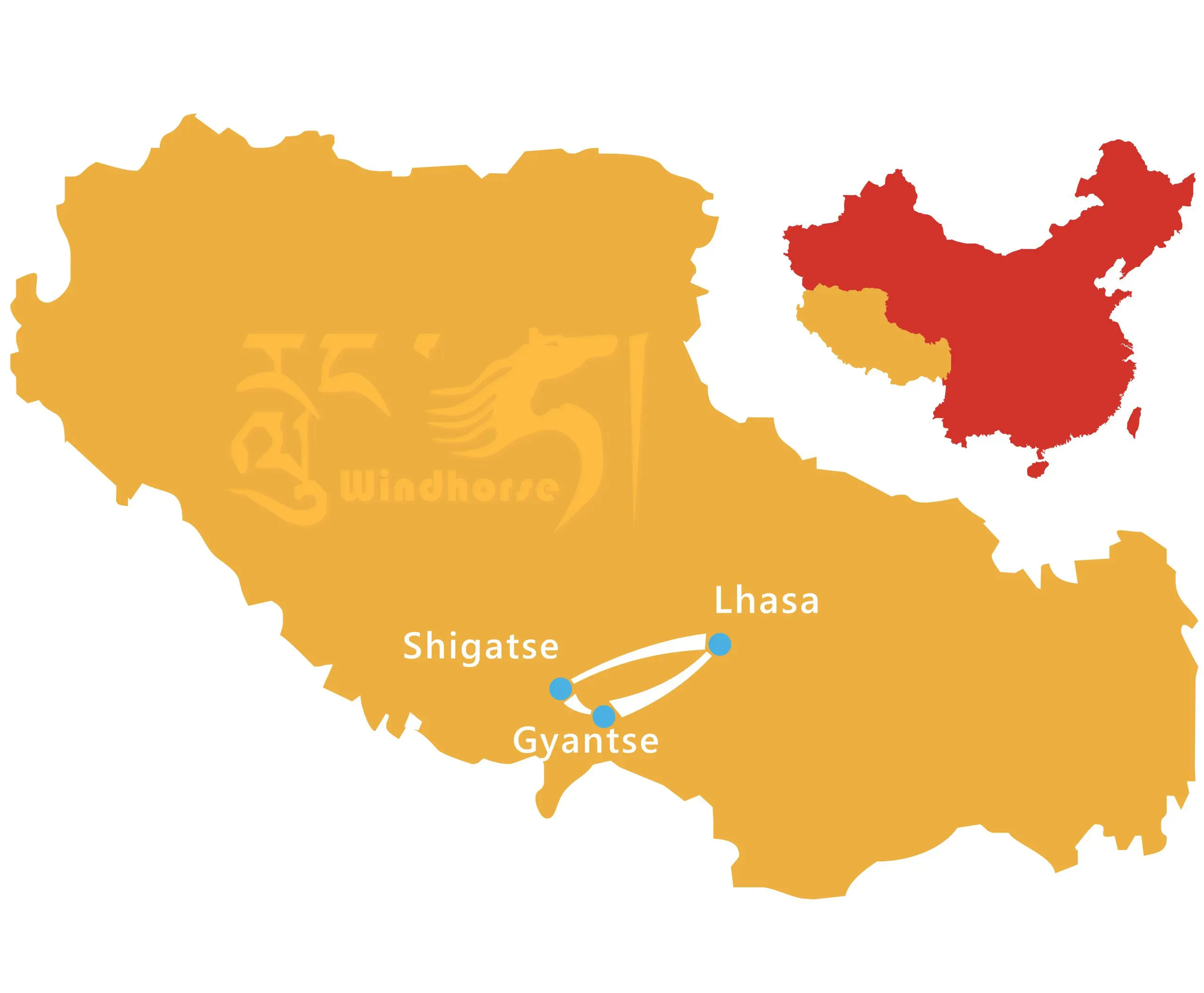




Explore Tibet’s cultural and spiritual heart on this 6-day Lhasa and Shigatse tour. Visit the iconic Potala Palace and Jokhang Temple, witness sacred Yamdrok Lake, and explore historic monasteries like Drepung, Sera, Gyantse Kumbum, and Tashilhunpo.