
Singing and Dancing in the Magical Mogao Caves – Mogao Cave Paintings in Dunhuang

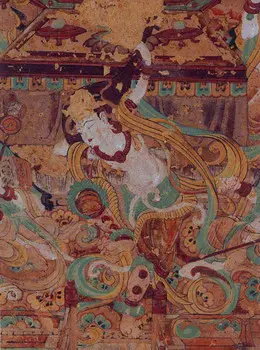
Have you ever seen people singing and dancing inside a cave? Your answer is most likely NO. A visit to the Dunhaung Mogao Grottoes is a magical mirror that shows the fairy princess dancing 2,000 years ago with an ancient Chinese instrument known as Pipa (traditional stringed musical instrument).
The beautiful princess is called the Flying Apsaras or Feī Tiān (飞天) and with a visit here you may feel overwhelmed by the more than 4,500 Fei Tian of different styles ‘flying Apsaras’ and ‘dancing Apsaras’ within this magical cave in China.
The tale tells of 2 gods from India, that one is good at dancing while another one good at music form the Flying Apsaras. However, since Beǐweì Dynasty (北魏) 386 A.D., the Dunhuang Mogao Cave paintings in China had started it’s creation and the series was named ‘Flying Apsaras’ which originates from the pure land of Buddhism.
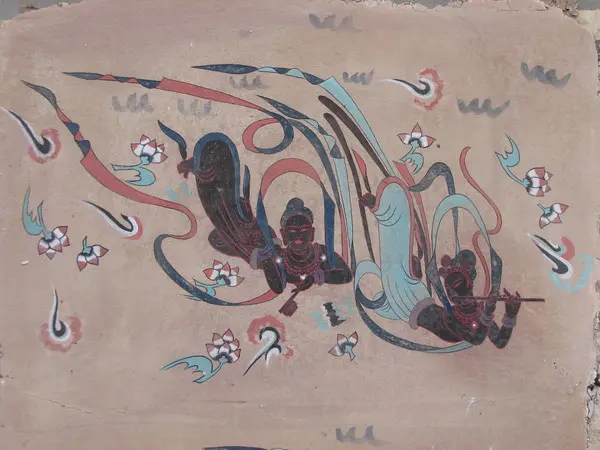
Due to the different period’s style and artist’s imagination 4,000 more Flying Apsaras shows great value to the Chinese culture. Here are 3 kinds of styles of Flying Apsaras in different dynasties.
- Suí Dynasty (隋) – Influenced by Buddhism, many Flyings Apsaras wears cassocks (Buddhism clothing). The image of the wind and cloud shows that she can fly at a great speed.
- Tāng Dynasty (唐) – The Flying Apsaras have full face and wear golden clothes, especially the sleeves are longer than other dynasties and the character’s position is casual. By the way, Tang is the richest dynasty in ancient China.
- Western xià (西夏) and Yuan Dynasties(元)- As the Xixia believed that green was their most precious color, so the color of the Apsaras clothes are mostly green in color. Yuan is the end period time of the Flying Dunhuang cave paintings.
The Autumn will more suitable to visit here and you can certainly choose the time you want to enjoy the different seasons and landscapes.The eyes always gives a better view of the place than through the lens of a camera. However, some of these beautiful pictures may fade away but the moments you see these beautiful paintings shall always remain with you. So all you need to do is to catch a train or an airplane to see these wonderful cave paintings in China with your own eyes.
Related to:
Related tours
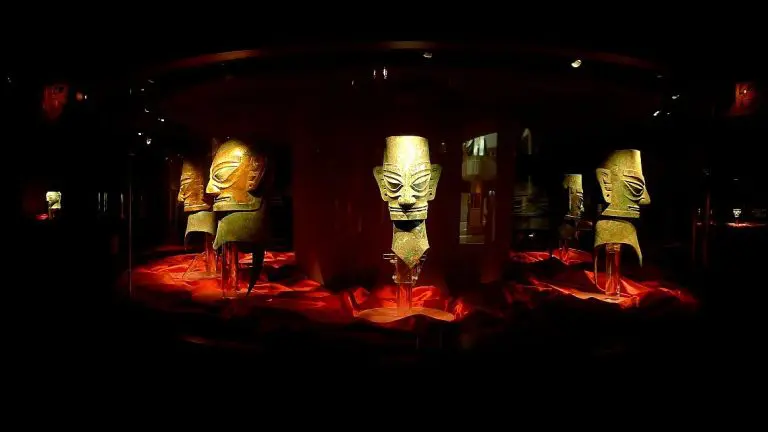
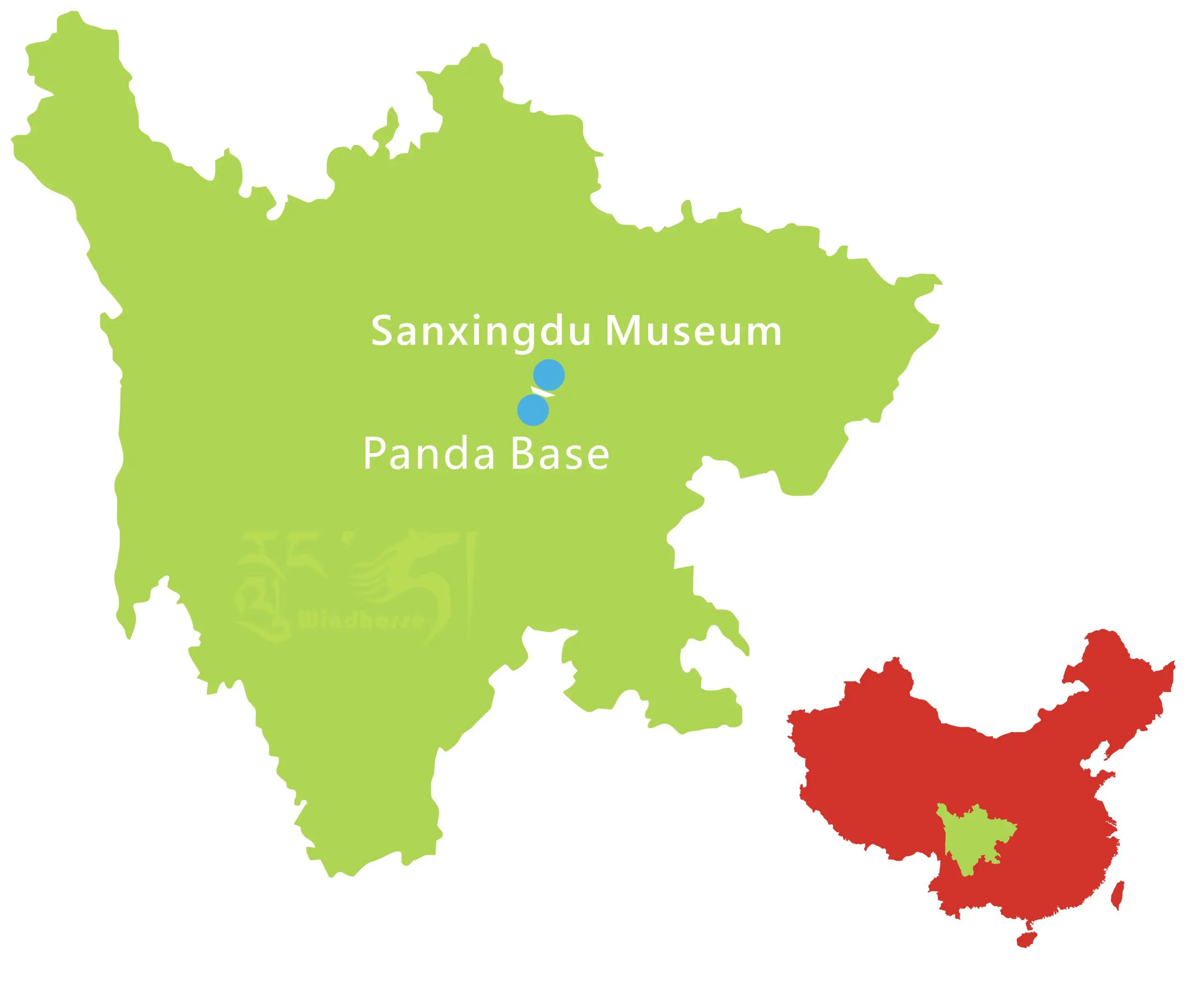
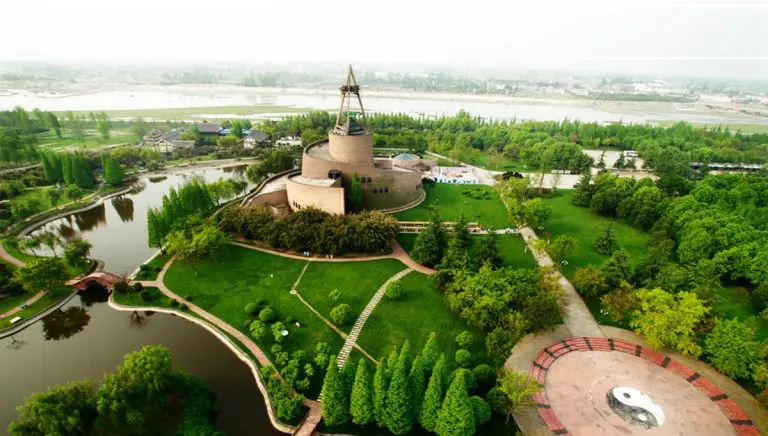
A great experience of Chengdu in just one day. Start in the morning to visit the international known Pandas Breading Center, a cuddly symbol of China. In the afternoon be driven to Sanxingdui Museum to explore the mysterious ancient Shu Kingdom.
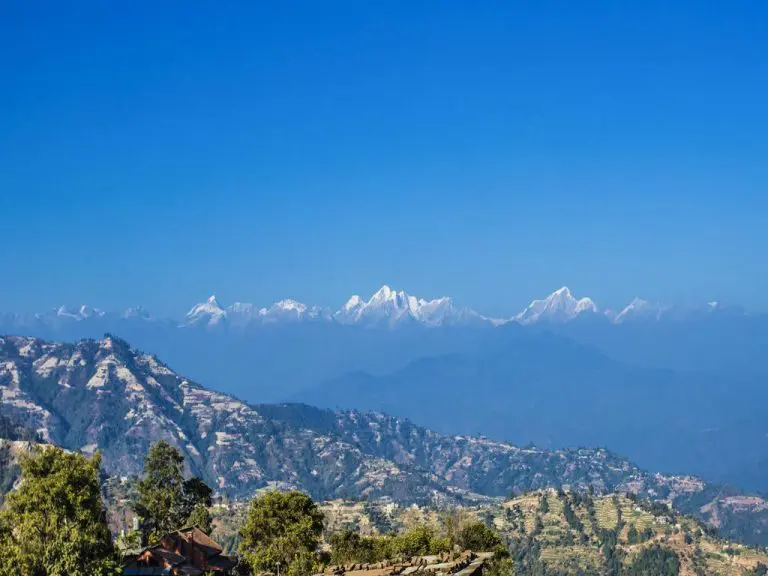
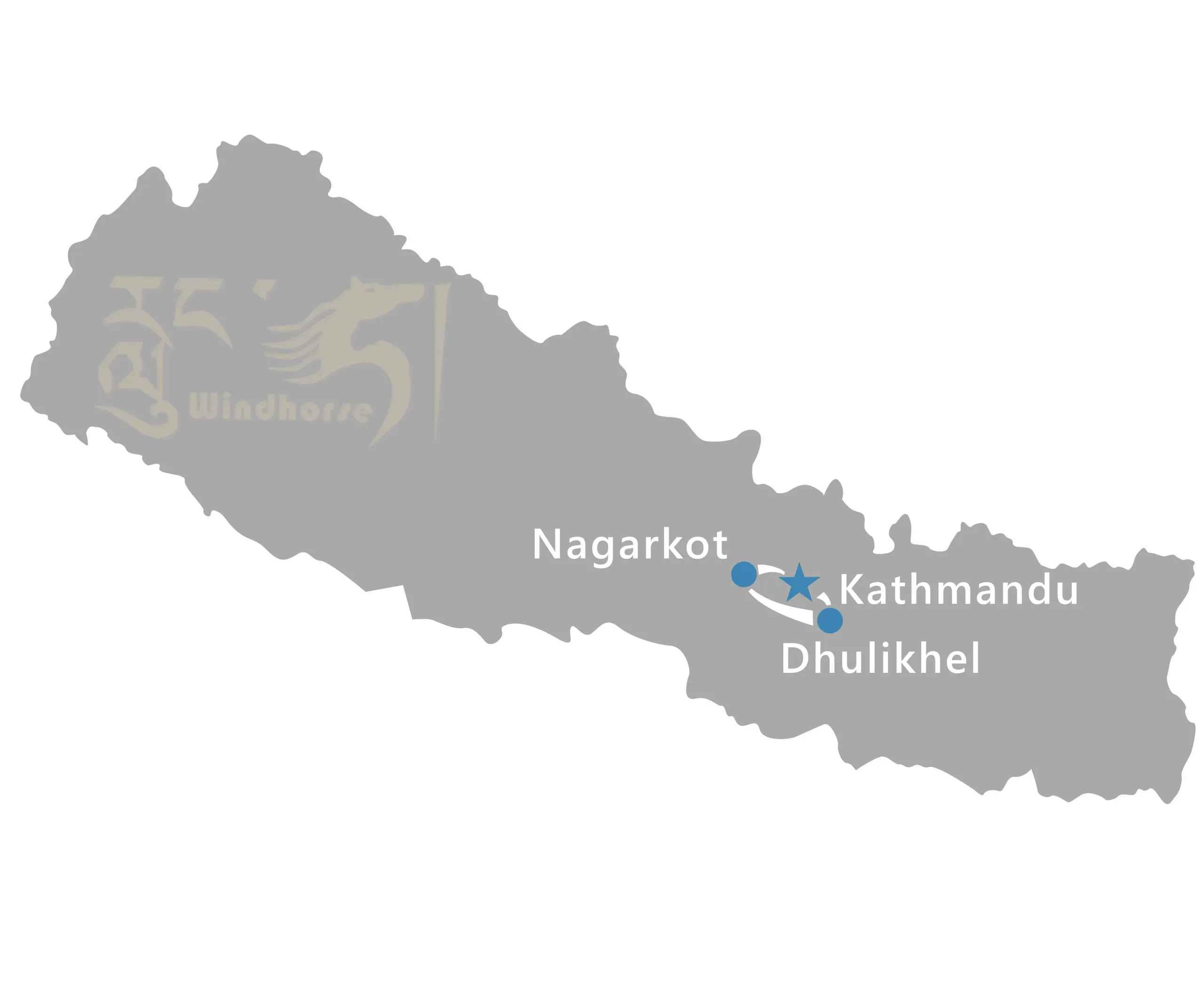
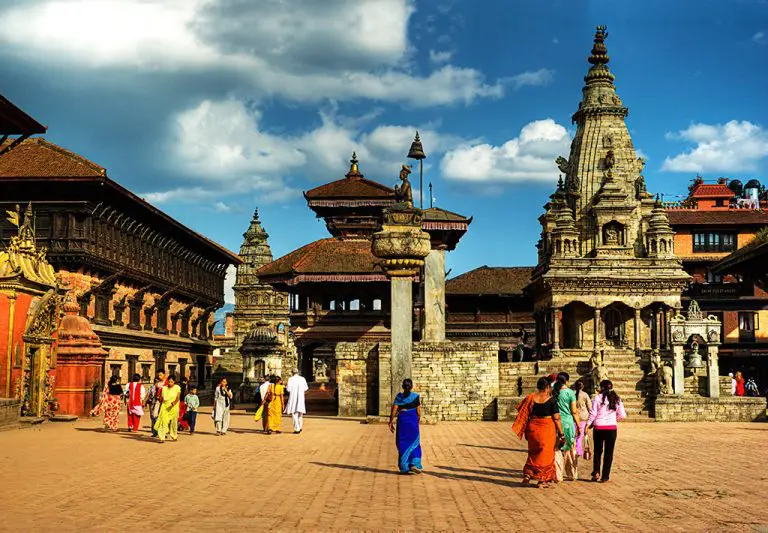
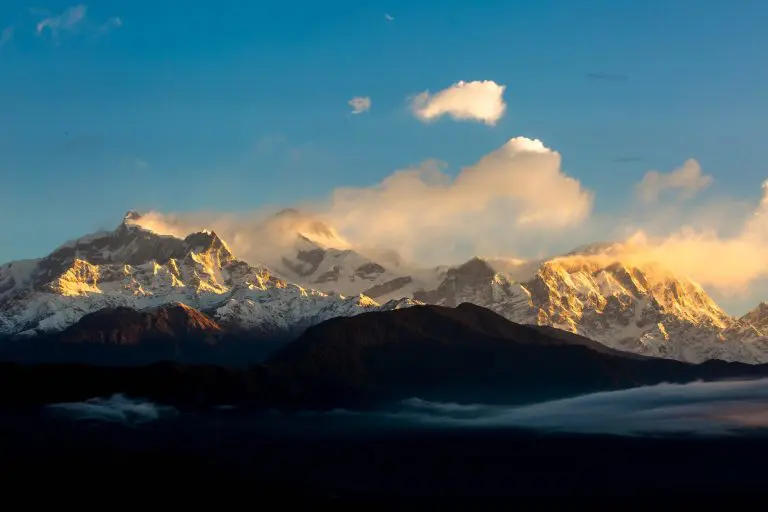
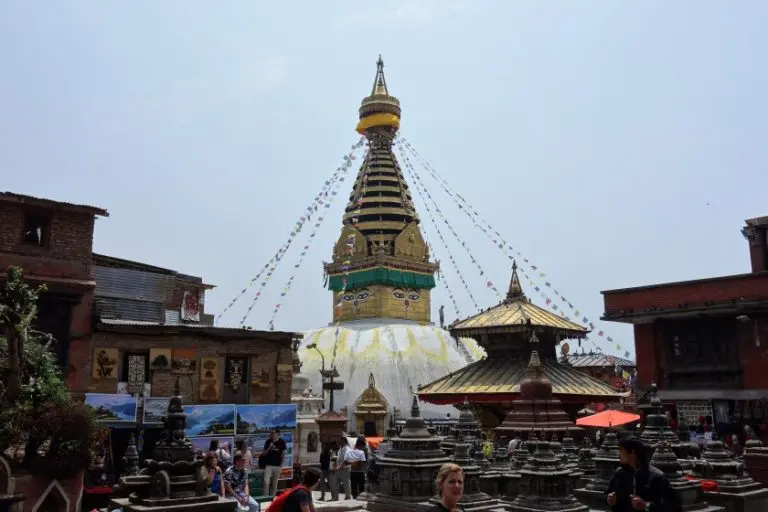
Explore the culture, nature and history within the hearts of every Nepali and their beautiful Kathmandu Valley. Enjoy exotic sites such as Pashupatinath Temple, Boudhanath Stupa and catch the most mesmerizing view of the sunrise at Nagarkto.
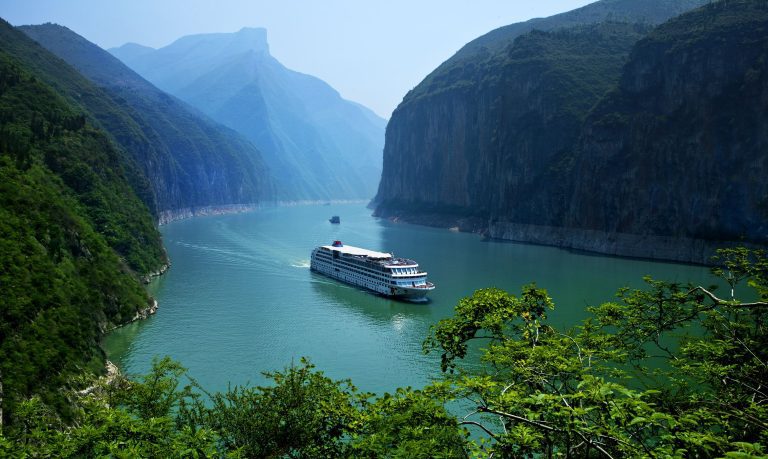
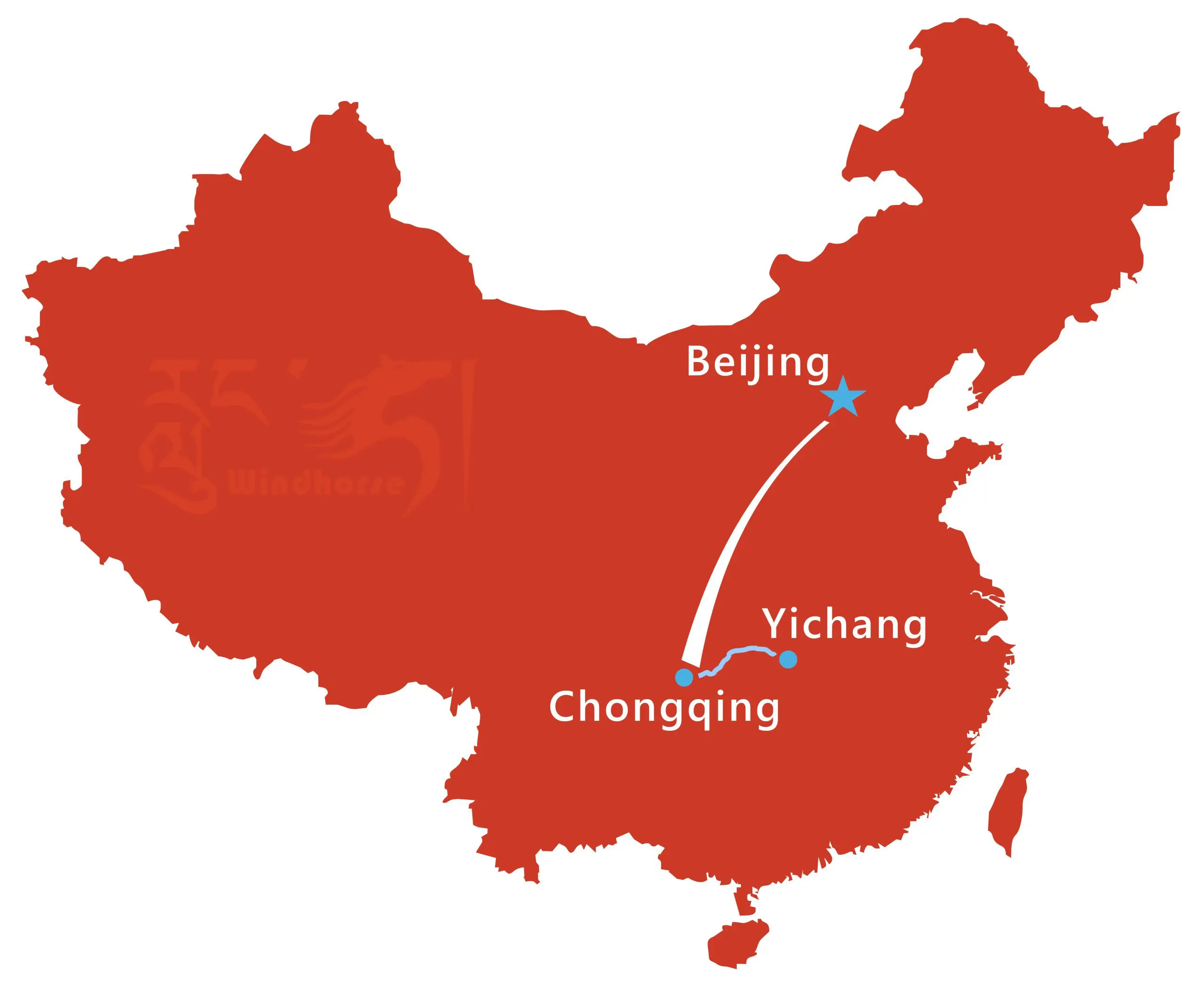
Experience Beijing’s must-see landmarks before boarding a Yangtze River cruise from Chongqing to Yichang. Sail through the Three Gorges, visit cultural shore sites, and tour the Three Gorges Dam on this 8-day Beijing Yangtze River Cruise Tour.
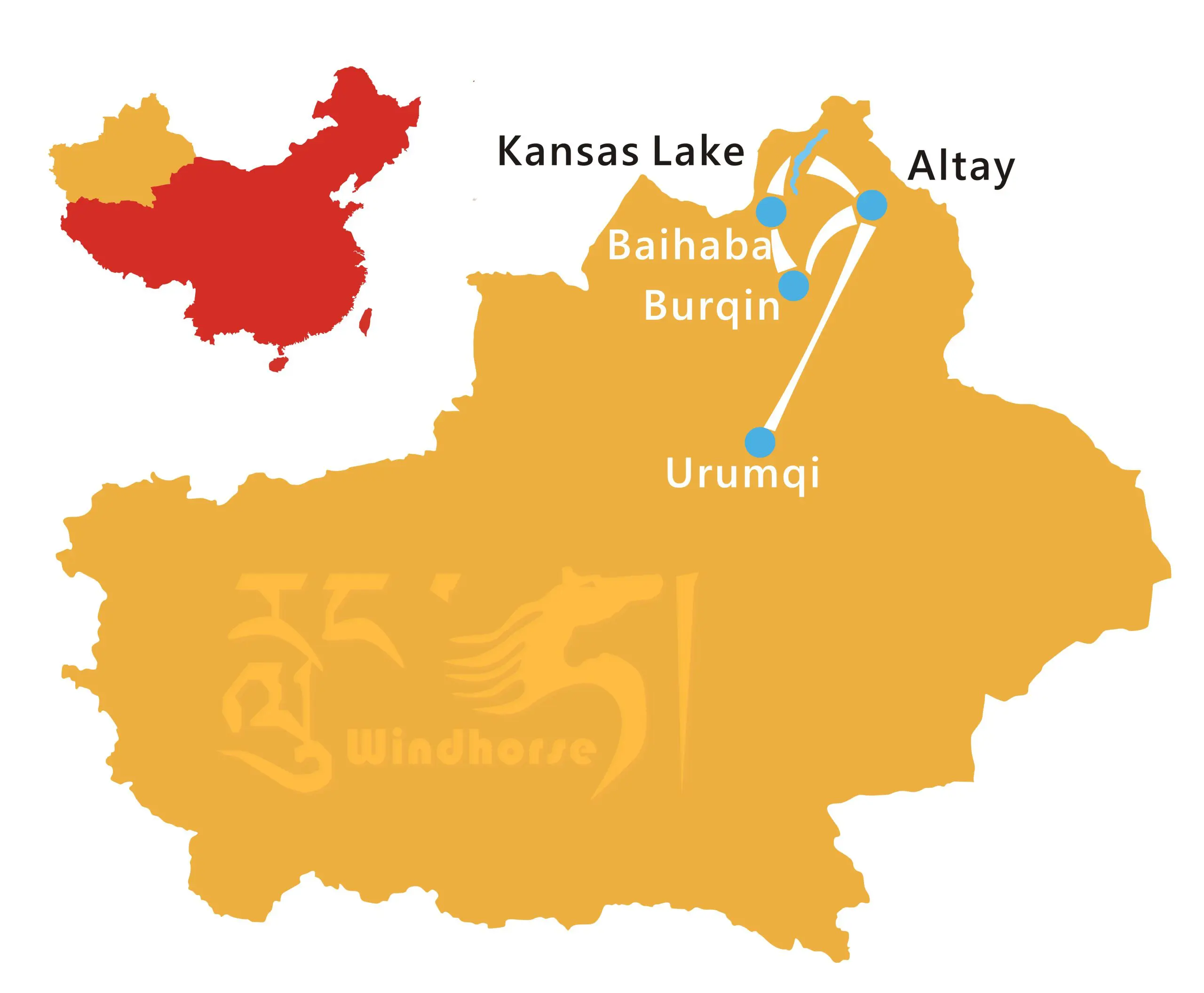
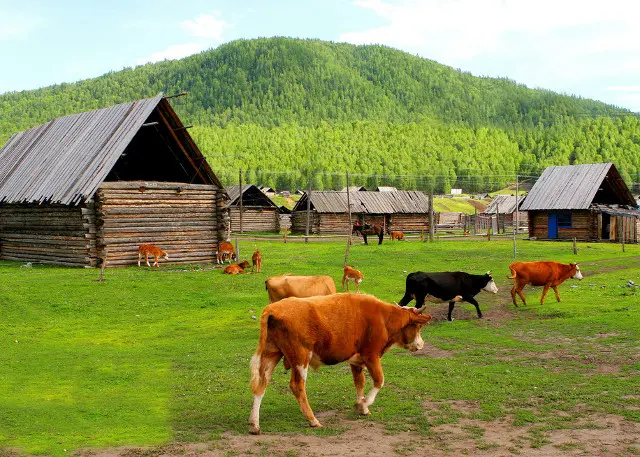

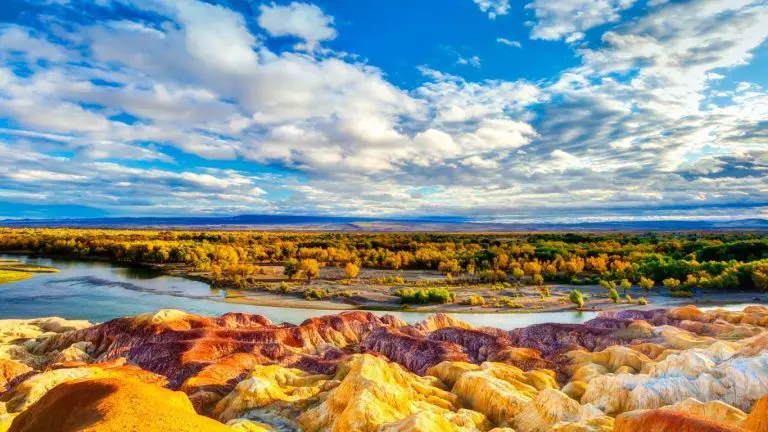
This Kanas Lake trekking tour leads you through Northern Xinjiang’s most scenic trails. Trek from Jiadengyu to Hemu Village, then to Kanas Lake across forests, rivers, alpine meadows, and panoramic ridges while experiencing Tuwa culture and the region’s famous turquoise lake.